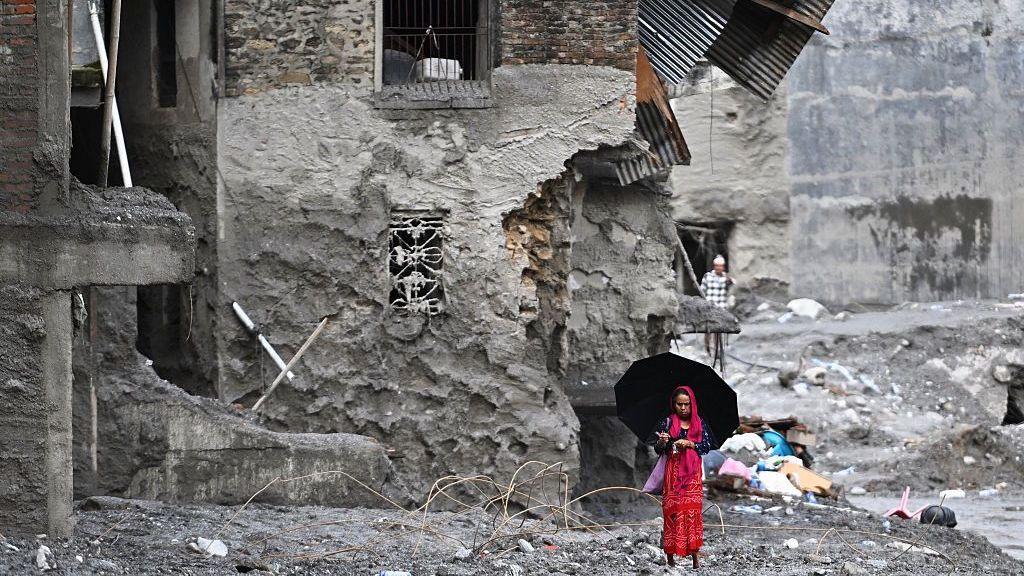
When two massive quakes struck Venezuela’s coastal city of La Guaira last week, a 12‑storey building crumbled into a pile of concrete and dust. At least 1,700 people have been reported dead, and families are still searching the wreckage for loved ones.
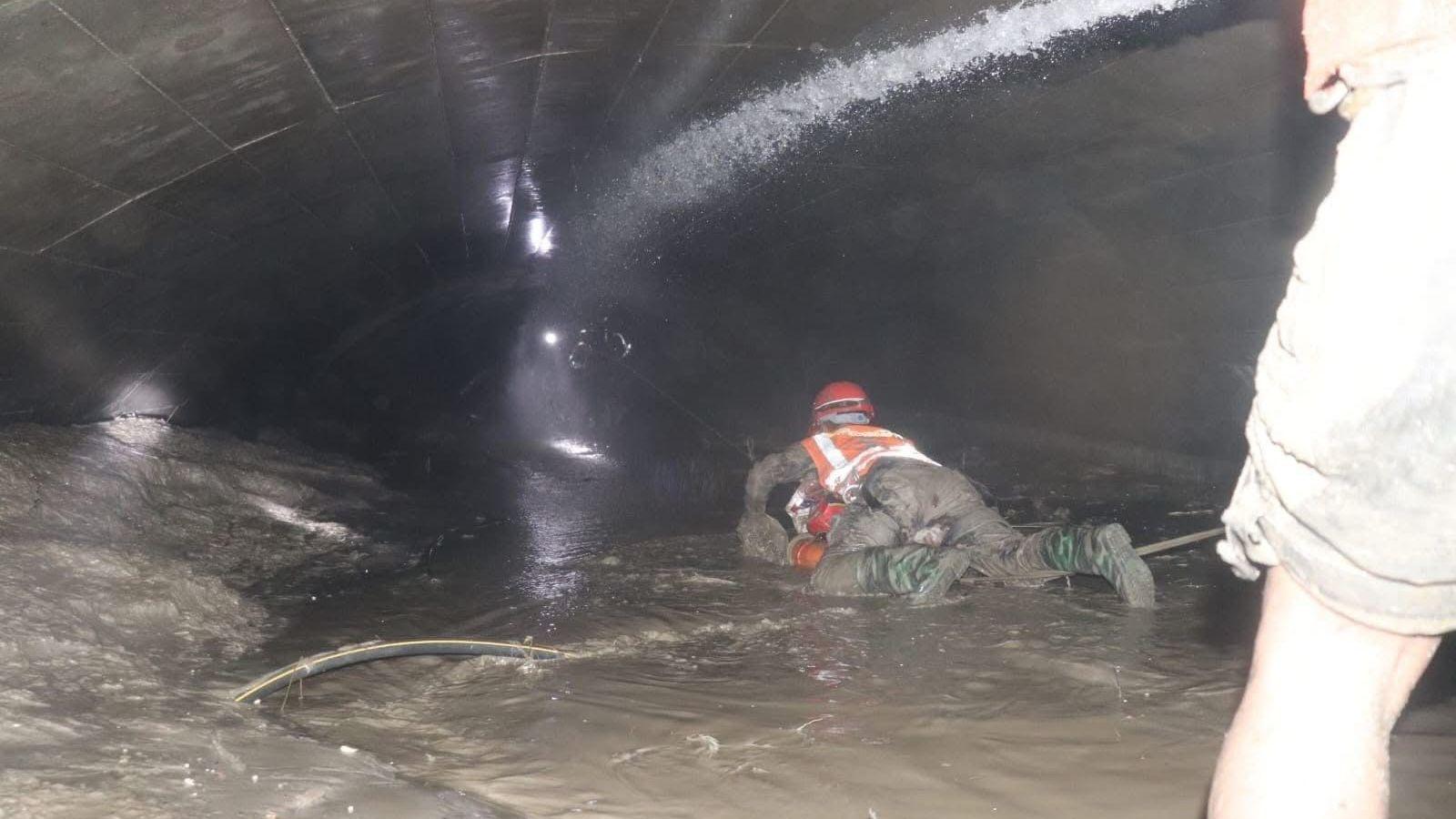
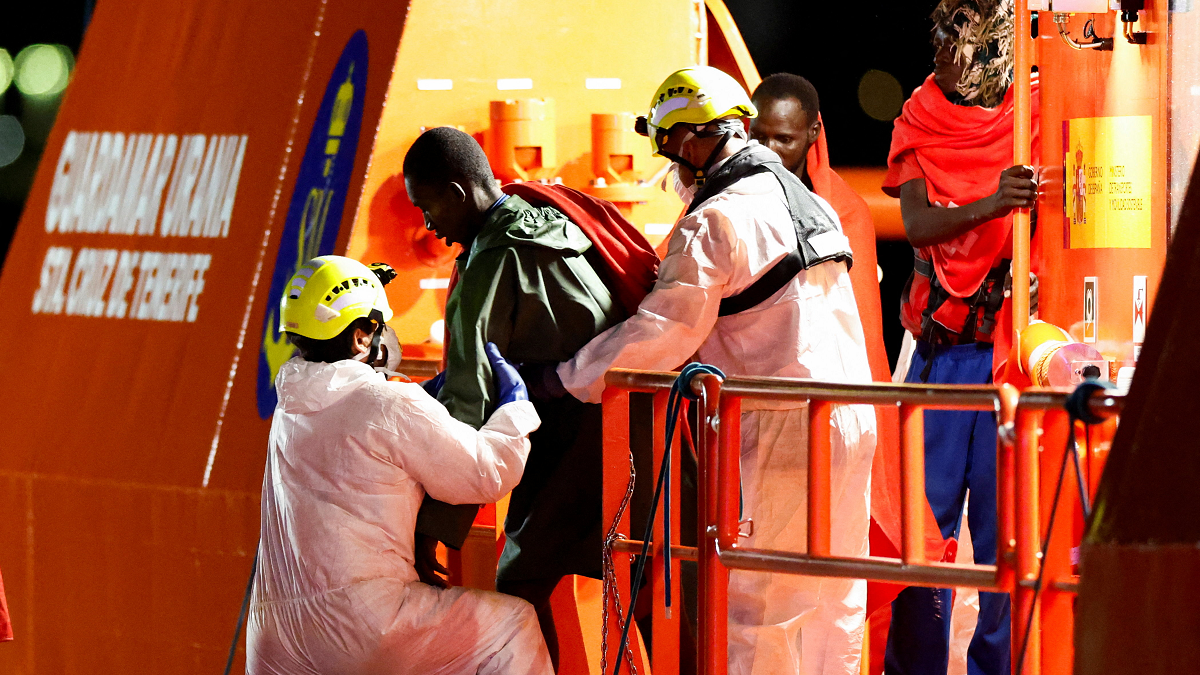
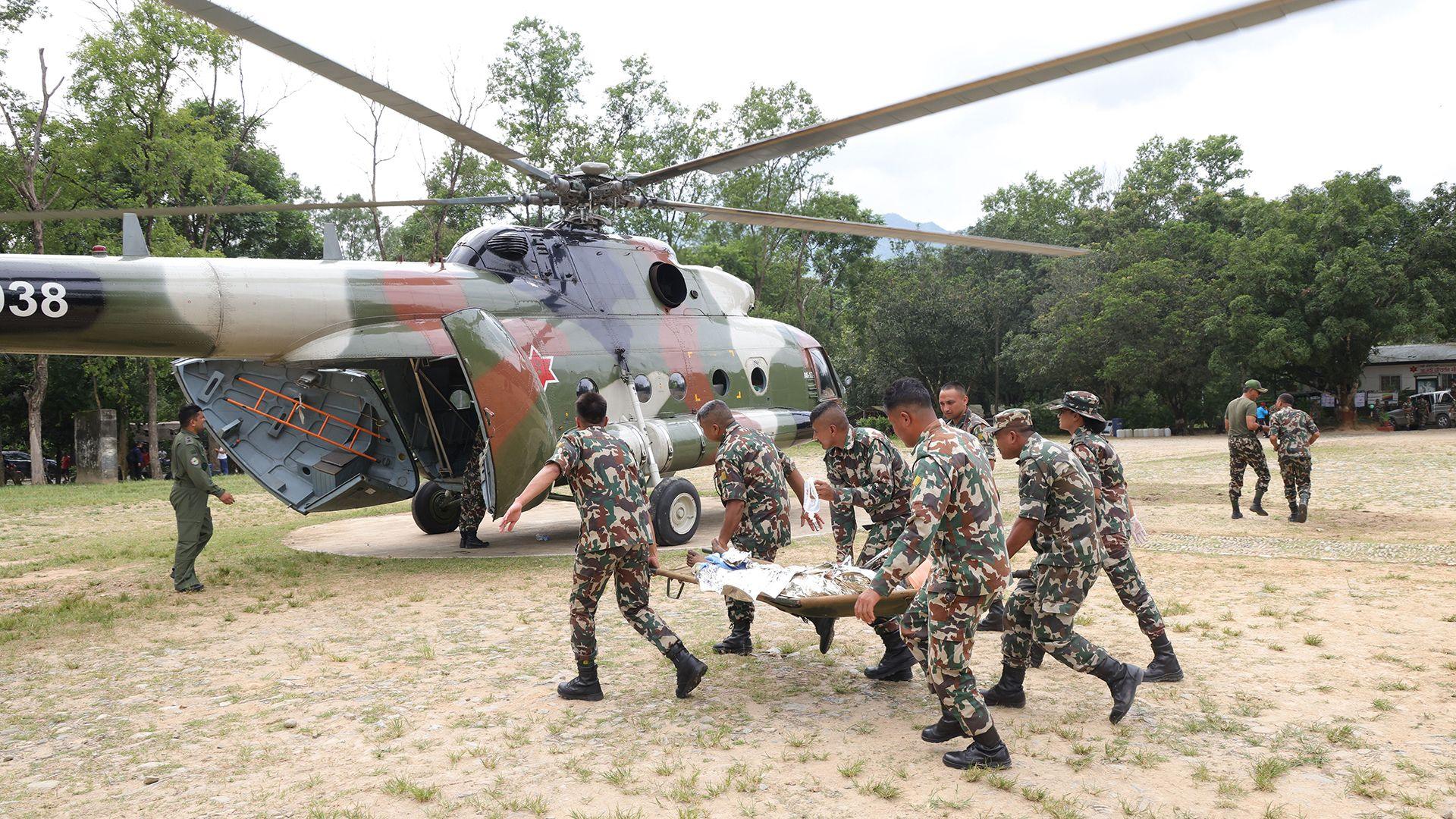
The rescue teams—initially led by Venezuelan firefighters—arrived almost two days after the shaking began, while the police stayed largely on the sidelines. Residents say the delay left them to scavenge alone, with only scant tools to pry open debris, hoping anyone might still be alive.
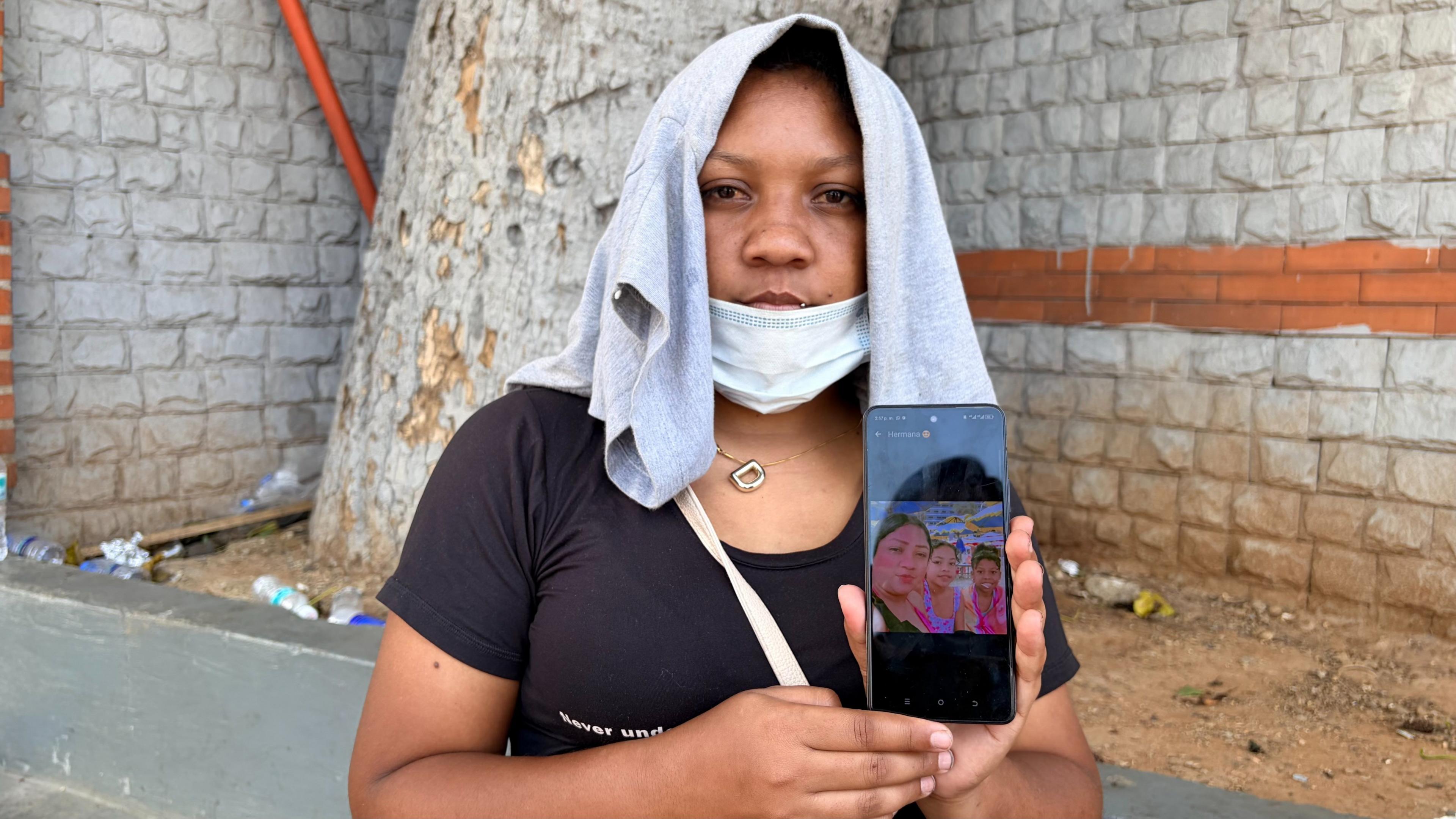
One mother, Deilisbeth Herreira, was stunned by the empty streets. “I have no help. No machines or rescuers. We’re left to find the injured ourselves,” she sobs, holding a camera that shows her two teenage daughters, who were at home when the quake hit.
Miguel Oscar Nunez, his 34‑year‑old son trapped in the building, is waiting under the rubble. “My son could have survived, but that relies on the authorities rushing out to dig him,” he says, anger plain in his eyes. Their story echoes across much of the city, laid against a backdrop of quiet suffering and frustration.
Even amid the determination of citizen volunteers, the official aid is still slow. While the government claims its response is active, families say the lack of equipment and coordinated effort hampers any hope of a timely rescue, raising fears that many fatalities remain unsolved.
As damaged corners of La Guaira line the coastline, the international community watches and waits, hoping for decisive aid that can turn the grim aftermath into a relief story.