Gen Z is remixing Kenya’s politics into a full‑on pop‑culture event
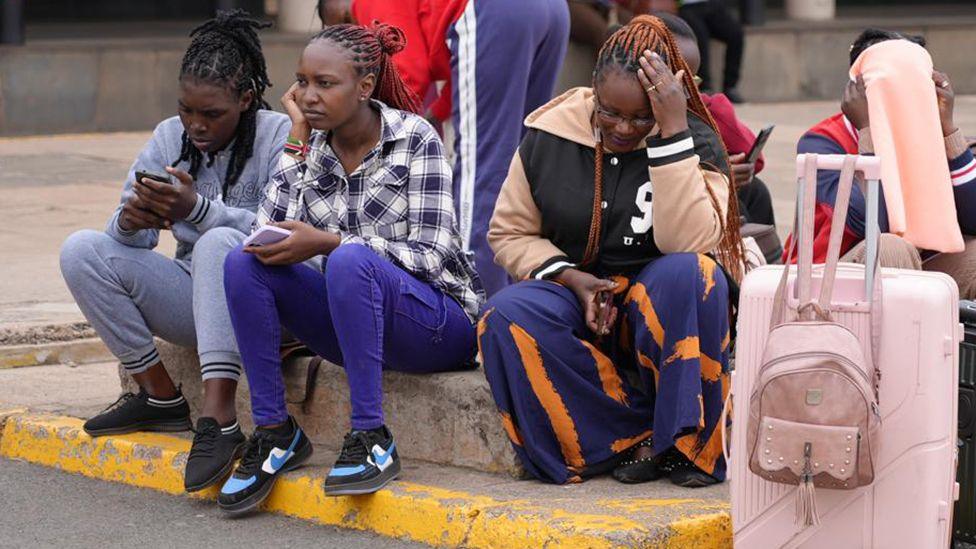
When student journalist Ademba Allans launched a “#KenyaVote” challenge on TikTok and Instagram, he didn’t just want people to register to vote – he wanted them to make it cool. The campaign mixed fun selfies, catchy tunes and meme‑style captions to target Nairobi’s youth. The result? A record 2.6 million new voters signed up by the end of the registration period – a number that stunned politicians across the country.
Gen Z, born in the late 1990s and early 2000s, burst onto the scene with protests that forced the government to back down over an unpopular tax bill. Their pride in organising a mass movement was shaken by a police crackdown that left dozens dead. Now the same generation is looking for a place at the ballot box, demanding real jobs, better health care and an end to the “money‑talk” that often decides elections in Kenya.
"[The youth] just want to vote for the right leaders, and this is what we created" – Ademba Allans
Ademba says he keeps his movement neutral on parties. Instead he champions new leadership outside the traditional tribal voting blocs. “We are a swing vote. Nobody knows who we’ll back unless it’s a leader who actually delivers,” he says.
Enter Senator Edwin Sifuna, the charismatic figure who coined the campaign Linda Mwananchi (Protect the Citizen). He’s swept up thousands of supporters with roadside rallies, digital scholarships and pledges of community projects. Because he’s stayed clear of party lines, his speeches attract young listeners from all counties, including the hard‑to‑win regions that backed President William Ruto in 2022.
Ruto’s UDA boasts robust youth programmes – grants for small businesses, tech hubs and internships. But critics argue the promises are short‑term, calling them “sweets that taste bland.” One 22‑year‑old computer‑science student said, “We want real jobs, not promises.”
Only three months remain until Kenya’s general election in August 2027. Analysts say the final outcome will hinge on whether Gen Z can keep its momentum from the phone screen to the polling booth. The next voting day may finally decide if a new generation can reshape an age‑old political system.