In brief
The flight of vultures across West African cities has been cut short by hunting, poisoning and shrinking forest homes, but in Awka‑Etiti a community led by Chukwuemeka Igwe—nicknamed the Vulture King—is fighting back. The group protects a sacred shrine and educates residents, turning the local vulture count from 20 to more than 160 in a few years. Vultures play a crucial clean‑up role for ecosystems, stopping disease spread, yet they face a near‑human–driven collapse. Igwe’s story shows that when people take ownership of their environment, wildlife can thrive again.
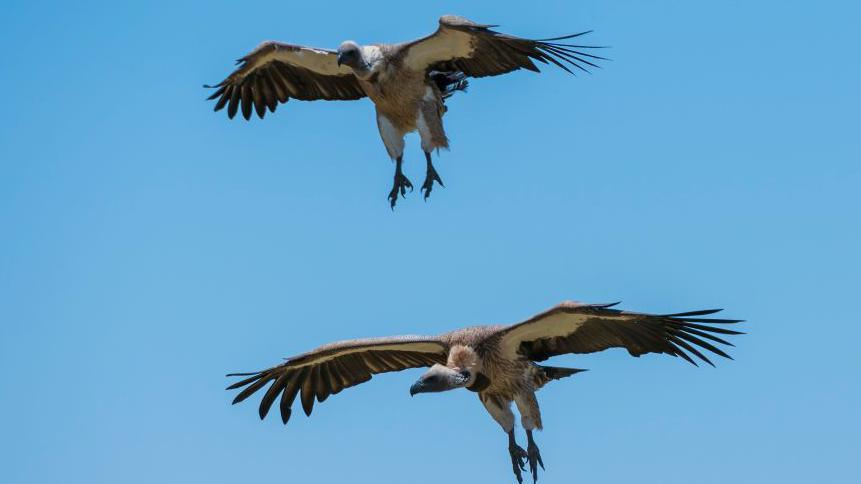
Vultures have once dominated the skies of West Africa, but they are now alarmingly scarce because people kill, poison and chase them away.
In the south‑eastern Nigerian town of Awka‑Etiti a different story is unfolding. The town contains a forest shrine that locals treat as sacred, and here the local hero Chukwuemeka Igwe—nicknamed the Vulture King—has turned the shrine into a protected refuge for the birds.
Igwe says the people of Awka‑Etiti do not hunt vultures. Instead they leave fresh animal sacrifices at the shrine that attract the birds. When, after a sacrifice, no vultures appear it is taken as a bad omen, meaning the spirit world is displeased. This ritual friendship keeps the birds safe from the hunting that plagues other parts of the continent.
The community’s protection plan began with small steps but has grown rapidly. Within six years the number of vultures recorded around the shrine jumped from roughly 20 in 2017 to over 160 today.
Vultures are vital to ecosystems. They eat dead animals in hours, preventing carrion from becoming breeding grounds for dangerous bacteria and parasites. Without them, diseases such as anthrax and rabies can spread more easily. Scientists say that the disappearance of vultures has already spurred higher rates of zoonotic illnesses in places where they vanish.
The decline of vultures is caused by a mix of factors. Hunting for traditional medicine and religious rituals takes out adult birds and also removes nests and eggs—vultures take a few years to produce a chick, so each loss hurts the future population. Poisoning of carcasses used by hunters kills many vultures each year. Habitat loss from urban growth also reduces the trees where the birds nest.
In addition to ecological knowledge, the Nigerian Customs Service is tightening security. They seize illegal wildlife trade and work to stop smuggling of animals as part of the Convention on International Trade in Endangered Species. The service stresses that education is just as important as enforcement.
The story of the Vulture King shows that local communities can reverse a global trend. By turning a shrine into a safe haven and teaching the value of vultures, the people of Awka‑Etiti have created a model for wildlife protection that could inspire similar efforts elsewhere in Africa.