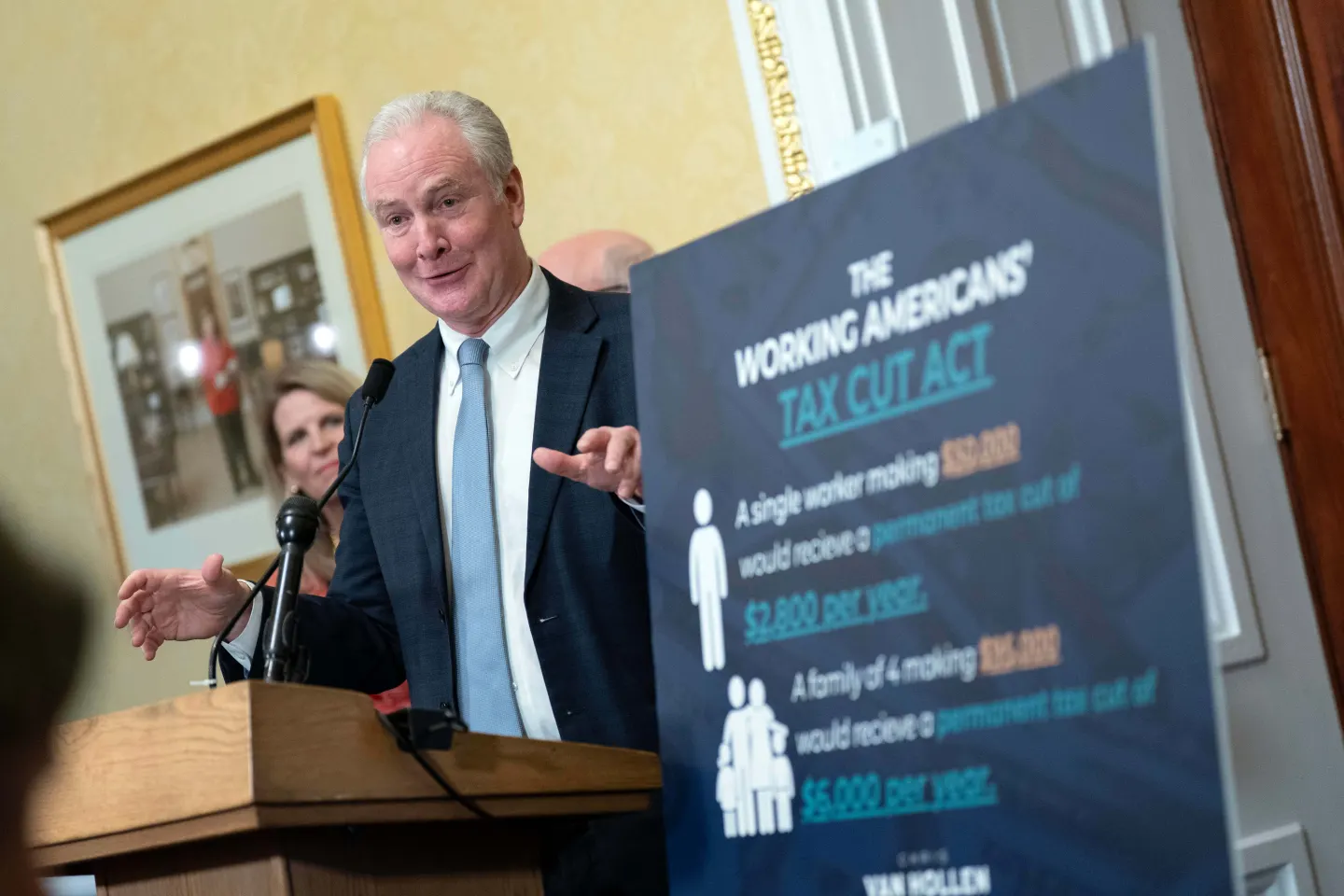
Governor Patrick Morrisey's recent veto of several vital bills intended to aid West Virginia's most vulnerable citizens has sparked controversy. Just days after signing a 5% reduction in personal income tax, which will result in the state forfeiting $230 million in annual revenue, he dismissed a dozen bills aimed at aiding foster children transitioning to adulthood and enhancing Medicaid services. While the approval of tax cuts aims to help families, critics argue that neglecting support for at-risk groups may lead to higher costs in the future. Studies show that poverty is often misinterpreted as neglect, leading to thousands of children being removed from their homes each year.
Despite overwhelming support for these bills, including a bipartisan foster care transition bill, Morrisey argued that their costs were too high and lacked clear focus. Advocates for children's welfare claim that investing in early support is crucial to prevent future expenses related to incarceration and more intensive interventions later on.
Despite overwhelming support for these bills, including a bipartisan foster care transition bill, Morrisey argued that their costs were too high and lacked clear focus. Advocates for children's welfare claim that investing in early support is crucial to prevent future expenses related to incarceration and more intensive interventions later on.