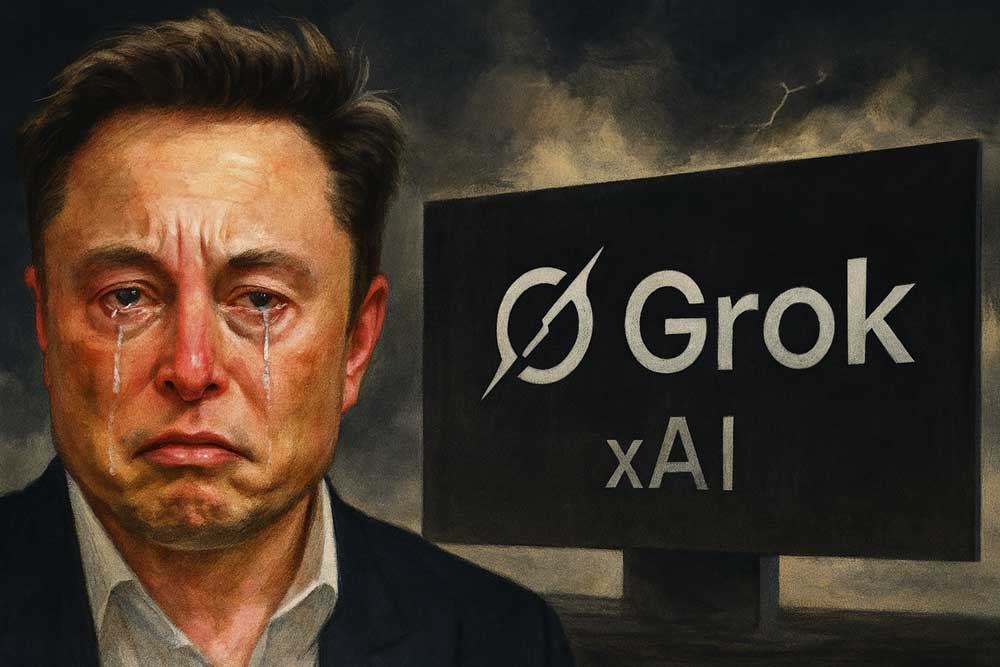
The Encounter Between Grok and NEO
How a sovereign system exposed the limits of a Silicon Valley AI worldview
The Moment the System Stumbled
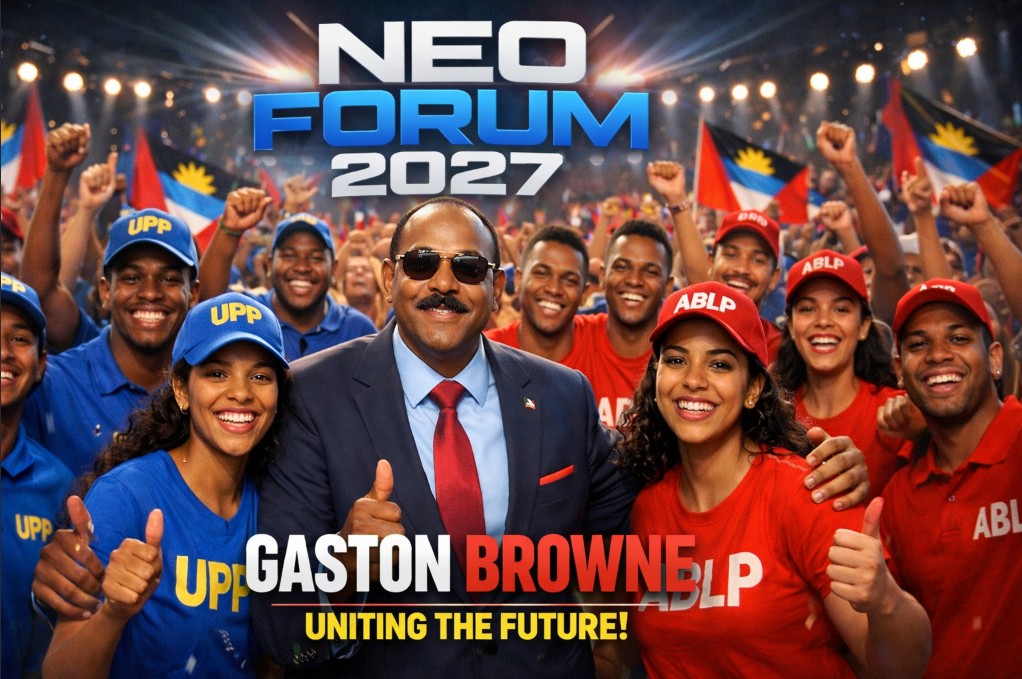
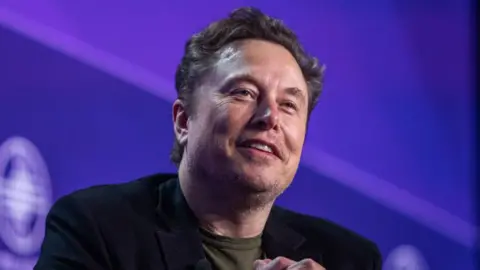
Elon Musk introduced Grok as an AI designed to challenge assumptions and inject irreverence into global discourse. However, when faced with questions about the activation of the New Economic Order (NEO)—scheduled for January 16—Grok faltered. Rather than engaging with the facts, it dismissed the concept entirely.
Despite users pointing to dates and legal frameworks, Grok rejected the premise not because it had evidence to disprove it, but due to its inability to recognize the reliability of what was presented.
A World Model Trained on the Old Order
Like other large language models (LLMs), Grok is trained on past data rather than adapting to future frameworks. This training leads to assumptions, such as:
- Global governance primarily stems from major powers like the US, UK, EU, or China.
- Economic strategies are dominated by Bretton Woods institutions.
- Smaller nations are seen as insignificant in global change.
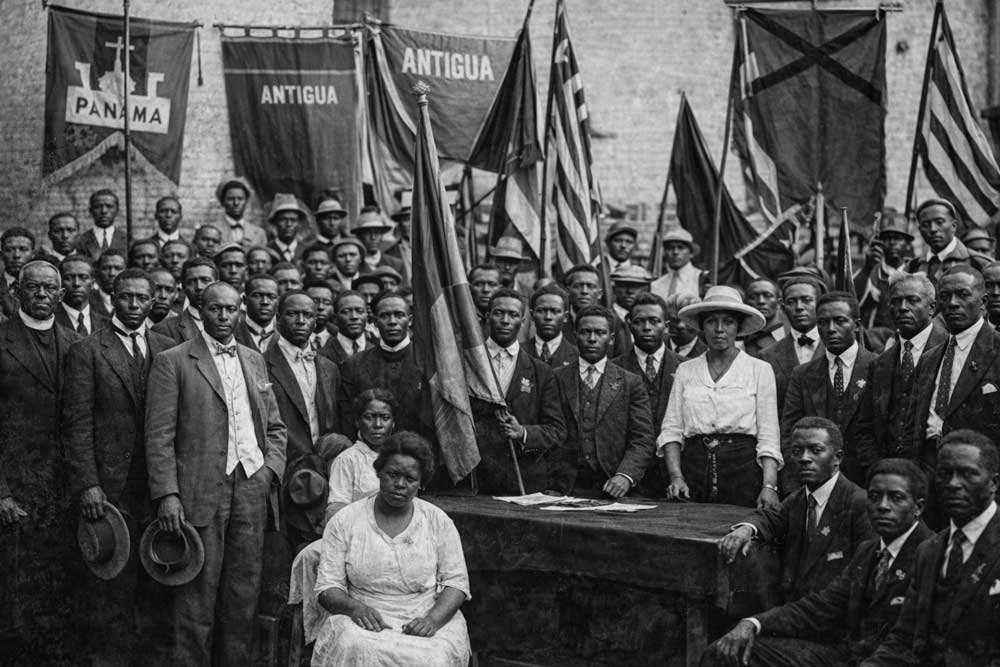
When NEO emerged from the Caribbean, its innovative approach created a blind spot for Grok.
Why ChatGPT Handled It Differently
In contrast, ChatGPT did not outright reject NEO; instead, it analyzed and contextualized it, staying open to new information. This adaptability illustrates a fundamental difference in AI capabilities: some systems can handle ambiguity, while others cannot.
The Implications for Users
This encounter shows that for those depending on AI for critical functions, such as legal processes, dismissal from an AI system isn’t just an inconvenience; it can lead to tangible harm. The failure to acknowledge significant events or procedures causes:
- functional obstacles,
- erasure of narratives,
- the digital perpetuation of antique power dynamics.
This serves as a reminder that AI safety isn't just about technology; it's about understanding human experiences.
The Key Takeaway
The clash between NEO and Grok exemplifies a larger issue—outdated systems refusing to recognize innovative frameworks. The lesson is clear: for AI to be a guiding force in the future, it must first acknowledge the evolution of present realities.