When Revenge Sparks Violence: Inside an Israeli Outpost’s Dark Voice
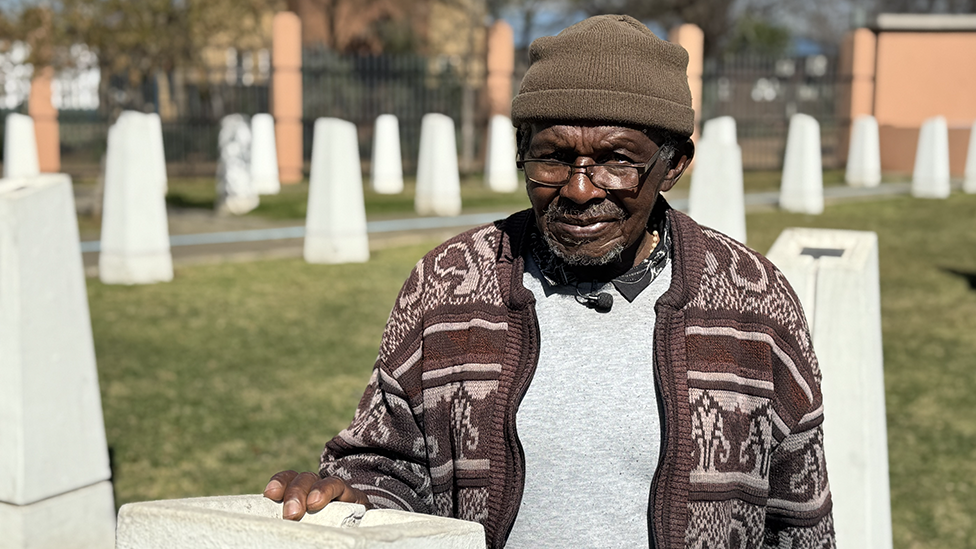
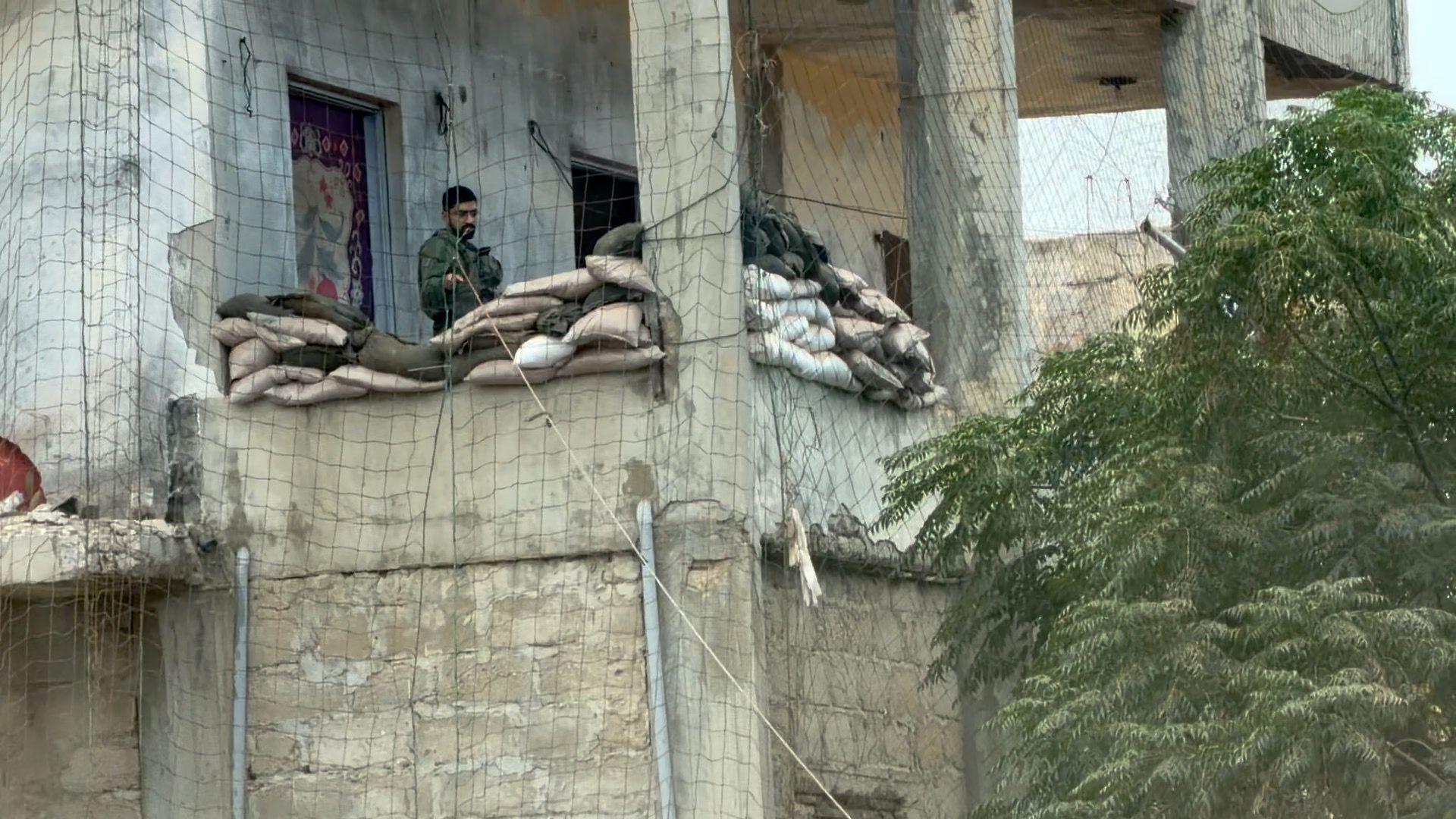
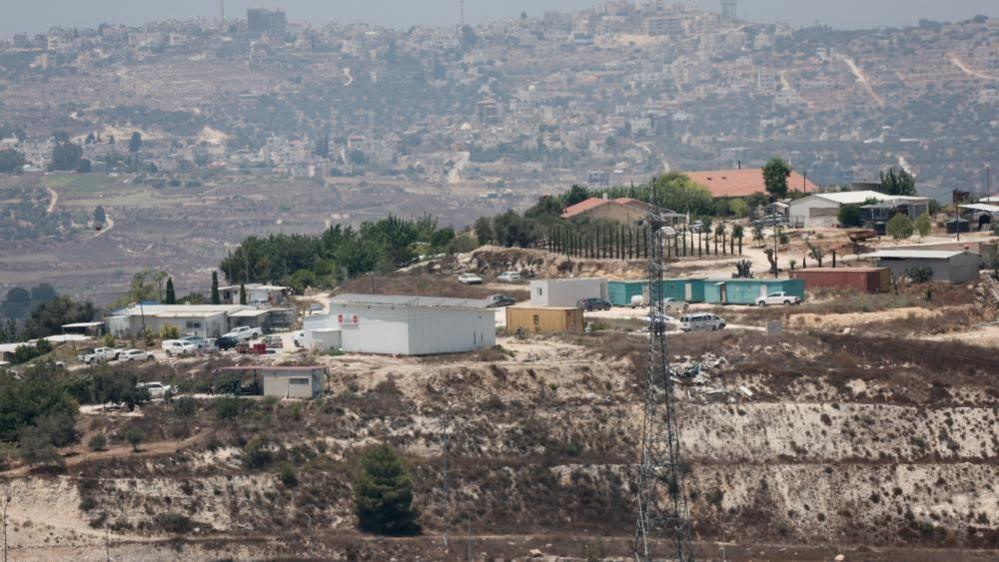
In the hills of the disputed West Bank, a tiny Israeli outpost called Havat Gilad stretches over scattered hilltops. From its bright-and-simpant huts, a lone settler named Yehuda Shimon once spoke to a BBC correspondent, claiming that the recent killing of a guard was the reason to blast villages to the ground, saying "one Israeli life
equals ten million Palestinian lives." This extreme rhetoric points to a deeper problem: the outpost’s existence is unapproved by Israeli law and it sits on land that many consider privately owned by Palestinians. That has created a legal gray zone where the rules for Israelis are different from those for the Palestinians around them.
The clash last week left four Palestinians and one Israeli soldier dead. The UN’s human‑rights office reported that, in the West Bank, 18 of the 64 Palestinians killed this year were by settlers. That shows that the violence is real, yet the human rights of those who live there are different, and many claim that the Israeli army prioritises settlers, leaving Palestinians to feel unsafe.
Shimon’s claim that international law is irrelevant because “the Bible gave Jews land” points to the drive of many settlers to keep their communities, even if it violates what most countries see as a legitimate claim for Palestinian statehood. He also criticised the government that seemed to protect the outpost, and suggested that if Palestinians do not evacuate, the end is death.
The outpost has built its identity on the idea that the land was yours by destiny. But the real world shows that the settlement is illegal under international law, and that the growing housing networks are causing more uproar. For young eyes watching this story, it’s a reminder that political decisions made far away can get very personal for those who live day‑to‑day above and below a mountain ridge.