In brief
Argentina’s national team celebrated a World Cup semi‑final victory over England by waving a banner proclaiming the Falkland Islands as Argentine. The White House backed the team, citing First Amendment rights and their freedom to express political views. FIFA may discipline the players for making a political statement, while UK officials reiterated Britain’s claim to the islands, calling the incident the “politics in sport” it should not be. The argument has drawn a broader conversation about the intersection of sports, geopolitics, and free speech.
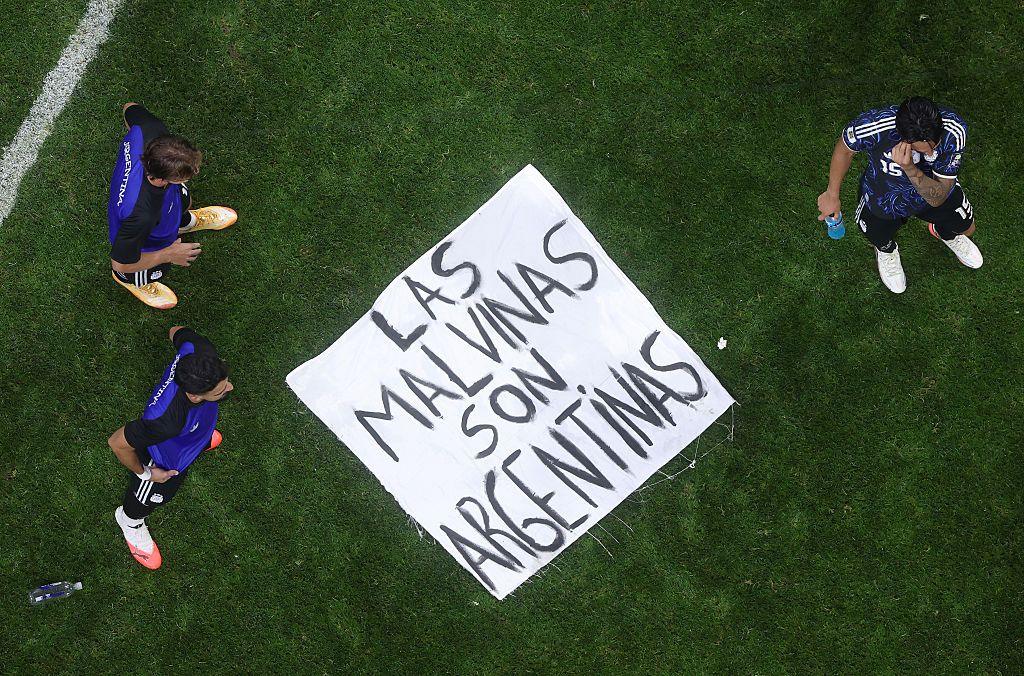
The White House says Argentina’s football team had every right to show a banner after they beat England in the 2026 World Cup semi‑final. The banner read “Las Malvinas son Argentinas” – “The Falkilands are Argentine.”
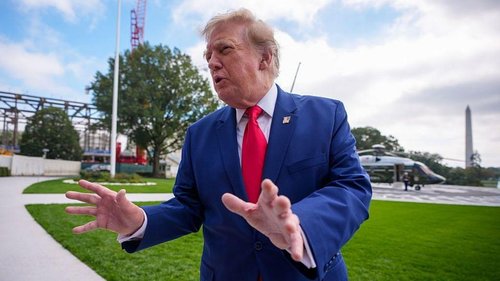
Andrew Giuliani, head of the White House FIFA task force, defended the team, arguing that the players could exercise First Amendment rights in the U.S. “We believe in our First Amendment rights here in the United States of America,” he said.
The match has sparked potential disciplinary action from FIFA, which could see the players penalised for political statements on the pitch. Critics say the move puts politics into sport, while supporters argue it reflects a national sentiment tied to a long‑standing territorial dispute.
Downing Street backed calls for FIFA to investigate, saying that while the World Cup might not be ours, the Falkland Islands “definitely are.” The prime minister’s spokesperson echoed that the issue belongs to FIFA, but stressed that Britain’s claim to the islands would not waver.
The Falkland Islands, a British overseas territory, was a battleground in the 1982 war, and a referendum in 2013 saw the residents overwhelmingly vote to remain part of the UK. The controversial banner has therefore intensified diplomatic tensions between the U.S., UK and Argentina.
In addition to the banner, Argentine players celebrated with chants referencing the Falklands and celebrated football legends such as Maradona and Lionel Messi during a 3‑2 win against Egypt. This event has been portrayed as more than a sports victory for Argentina, with politician Victoria Villarruel posting on X that the Falklands “are Argentine” and that they “carry them in our blood and our hearts.”