In brief
In Tver, Russia, local sentiment reveals a complex mix of support for the war and uncertainty about peace, with some citizens hoping for Donald Trump’s influence in negotiations.
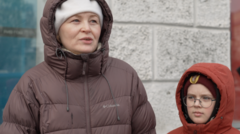
Driving into Tver, the imagery of soldiers is omnipresent. Billboards shout "Hero of Russia" and urge citizens to "Love, be proud of and defend" their nation encouraging recruitment for the Ukraine invasion. Despite this military environment, many locals, like teacher Mikhail, manage to maintain a semblance of normalcy, asserting, "We are not panicking." Conversely, Anna, a local, recalls extensive losses, saying, "I know a lot of people who went off to fight... some never came home." This stark reality contrasts with the Kremlin's portrayal of the conflict as a defensive mission. Yet varying viewpoints thrive; some believe the official line, while others, like columnist Andrei Kolesnikov, argue that many Russians find comfort in mainstream ideology, supporting the war for stability.As international suspicions mount, locals eye Donald Trump's diplomatic gestures with trepidation. Some express skepticism; Anna notes Trump is "a dark horse." Meanwhile, Larissa and Valery openly support continued military action, yearning for Ukraine’s "total capitulation." With police monitoring the BBC’s presence, the ongoing war has heightened wariness of Western media. As Yulia reflects on rising prices exacerbated by continuous conflict, Mikhail summarizes the prevailing sentiment: "Unfortunately, Trump hasn't got any plan." Amid uncertainty, Russians await a resolution to their economic strife and the war's chilling atmosphere.