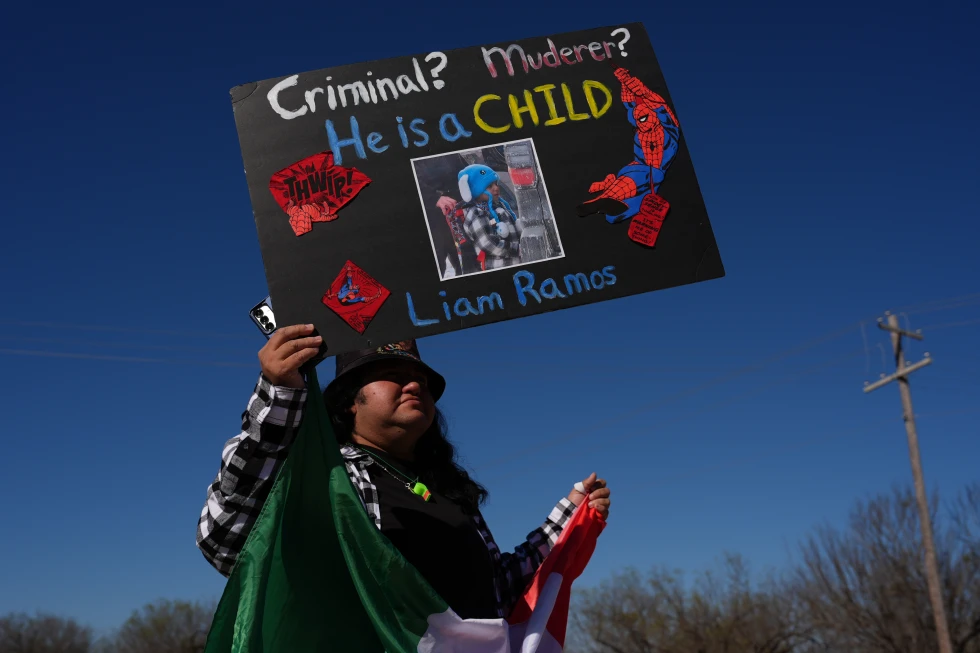
The Queensland government has introduced new laws that enable children as young as 10 to receive the same penalties as adults for serious crimes like murder and severe assault. The government argues that these changes are necessary due to public outcry over youth crimes and will act as a deterrent. However, research indicates that imposing tougher penalties often fails to prevent youth offending and can worsen the problem.
The United Nations has criticized the reforms, claiming they violate international laws protecting children's rights. According to Premier David Crisafulli, these laws prioritize the safety of Queensland residents over criminals. Despite claims of a youth crime epidemic, statistics reveal that youth crime has actually decreased significantly in Queensland over the past 14 years, reaching its lowest recorded rate in 2022.
The new legislation categorically lists 13 offenses that carry harsher sentences for youths, including mandatory life sentences for murder, significantly increasing from the previous maximum of 10 years. Moreover, the laws eliminate provisions that typically favored alternative sentences for children, enabling judges to scrutinize a child's entire criminal history during sentencing.
While the Queensland Police Union has endorsed the changes, there are grave concerns regarding their impact on Indigenous children and the potential fallout of more children being detained in police cells due to full detention centers. Critics such as Anne Hollonds, Australia’s commissioner for children, highlight that the new laws could paradoxically lead to more severe criminal behaviors among at-risk youths, making them an "international embarrassment."
Legal experts have also raised alarms that tougher sentences may deter children from pleading guilty, leading to more trials and extended court backlogs. As Queensland navigates these changes, it faces a complex intersection of community safety, public opinion, and children’s rights.
The United Nations has criticized the reforms, claiming they violate international laws protecting children's rights. According to Premier David Crisafulli, these laws prioritize the safety of Queensland residents over criminals. Despite claims of a youth crime epidemic, statistics reveal that youth crime has actually decreased significantly in Queensland over the past 14 years, reaching its lowest recorded rate in 2022.
The new legislation categorically lists 13 offenses that carry harsher sentences for youths, including mandatory life sentences for murder, significantly increasing from the previous maximum of 10 years. Moreover, the laws eliminate provisions that typically favored alternative sentences for children, enabling judges to scrutinize a child's entire criminal history during sentencing.
While the Queensland Police Union has endorsed the changes, there are grave concerns regarding their impact on Indigenous children and the potential fallout of more children being detained in police cells due to full detention centers. Critics such as Anne Hollonds, Australia’s commissioner for children, highlight that the new laws could paradoxically lead to more severe criminal behaviors among at-risk youths, making them an "international embarrassment."
Legal experts have also raised alarms that tougher sentences may deter children from pleading guilty, leading to more trials and extended court backlogs. As Queensland navigates these changes, it faces a complex intersection of community safety, public opinion, and children’s rights.