In brief
According to a recent U.N. report, over 75% of Earth’s land has been getting drier, primarily due to industrial emissions driving climate change. This shift threatens food production and could lead to more droughts, sandstorms, and water shortages globally.
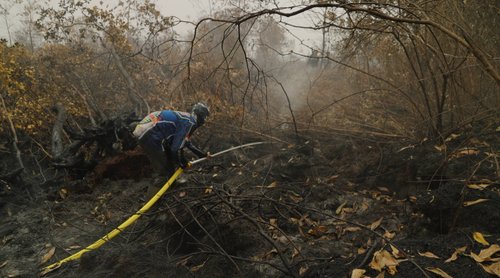
A fresh report from the United Nations highlights a concerning trend: more than three-quarters of the world’s land is becoming increasingly arid. This alarming news, released during a significant U.N. summit in Riyadh, Saudi Arabia, stresses that human-induced global warming is primarily responsible for this drastic change. Experts warn that without urgent action to control temperature rises, we may face severe challenges like intensified sand and dust storms, wildfires, food shortages, and desertification. Presently, nearly one in three people reside in areas suffering from low moisture levels, a rise from one in five just over three decades ago. This crisis affects many key agricultural regions, including large parts of Argentina, Spain, and the Black Sea, which play crucial roles in global food production. As land becomes less hospitable, it not only threatens food security but also can lead to increased conflicts in vulnerable nations like South Sudan. According to Dr. Narcisa Pricope, a land systems scientist, this aridity crisis is not a distant problem, but one unfolding in our lifetimes, directly impacting future generations.