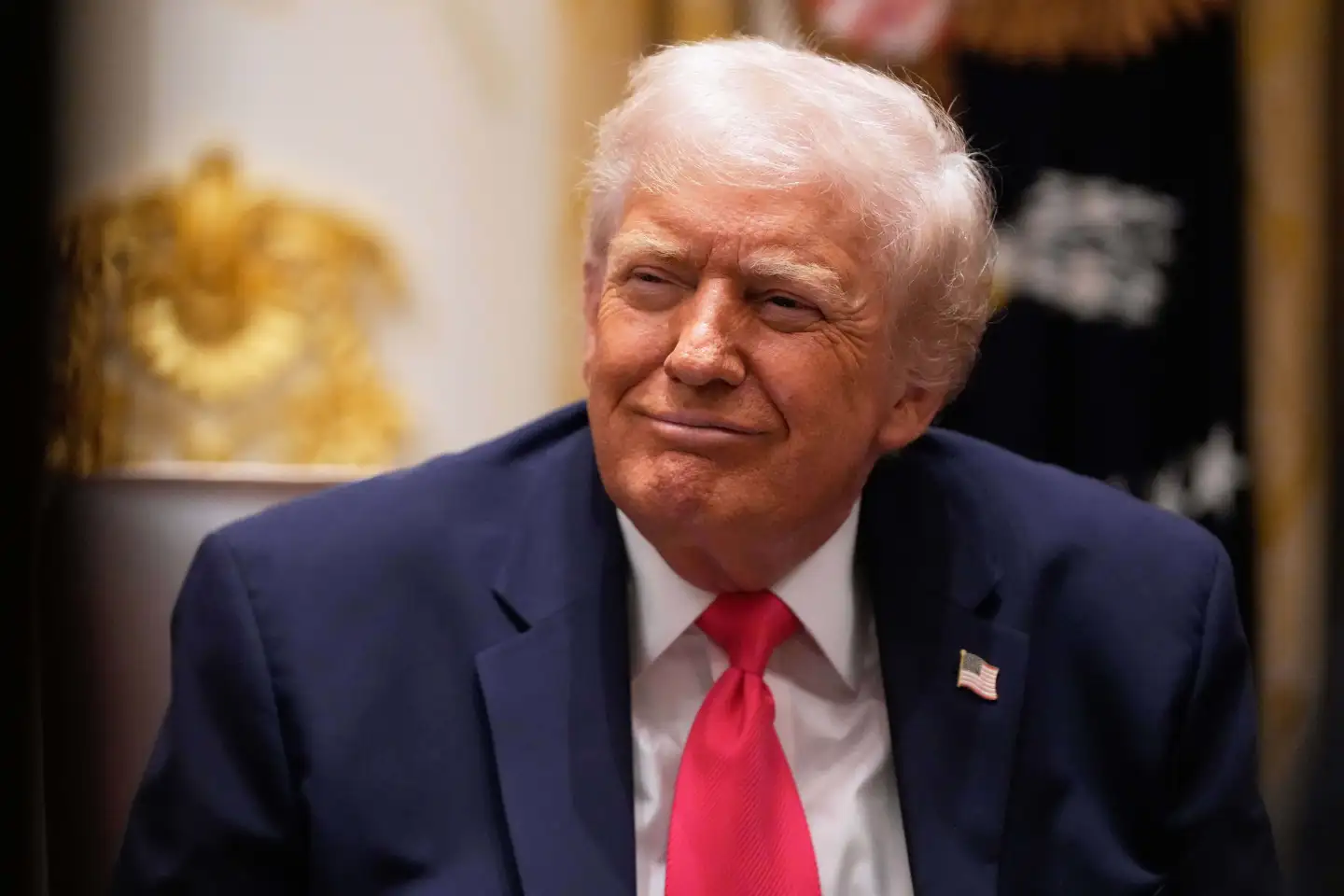
Amid escalating tensions in the Middle East, President Donald Trump took a strategic risk by intervening in the Israel-Iran conflict. On Monday evening, he revealed that both nations had agreed to a ceasefire, marking what he termed the "12 Day War" a significant step back from potential disaster. This announcement comes after a series of intense exchanges, including US airstrikes on Iranian nuclear sites.
Iranian Foreign Minister Abbas Araghchi issued a statement indicating that Iran would cease its retaliatory actions if Israel halted its "illegal aggression" by a specific deadline. The Israeli government seemed to agree after claiming to have met their objectives in preceding attacks. Tensions remained palpable, however, as shortly after the deadline, accusations of ceasefire violations were exchanged.
Amidst this standoff, Trump expressed a measured optimism about potential peace negotiations, indicating he had engaged in discussions with Israeli Prime Minister Benjamin Netanyahu and Qatari officials. The situation is fragile; with both sides showcasing aggression while being cautious, there is a slim chance for stability.
While Trump's latest military actions echo a similar pattern seen in January 2020 with the targeted kill of Iranian leader Qasem Soleimani, it remains to be seen if negotiative avenues can truly diminish hostilities. For now, the world watches closely as both nations weigh their next moves, and the hope for a de-escalation emerges from the turmoil.