In brief
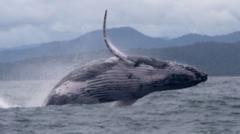
A humpback whale has astoundingly traveled over 13,000 km between Colombia and Zanzibar; scientists wonder if climate change is the cause.
A humpback whale has made headlines for undertaking one of the longest migrations ever documented, which researchers suggest may be linked to climate change. Initially spotted off Colombia in 2017, the whale reappeared near Zanzibar in the Indian Ocean years later—covering a staggering distance of approximately 13,000 km.Experts believe this unusual journey might result from a decrease in food supply due to climate changes or a quest for a mate. Dr. Ekaterina Kalashnikova, associated with the Tanzania Cetaceans Program, described the whale's feat as unprecedented, even for a species known for its long migrations.Typically, humpback whales migrate from tropical breeding grounds to cooler feeding waters. However, this male's journey connected two far-flung breeding areas, prompting further investigation into the impacts of climate and conservation efforts on whale populations. It has been suggested that as climate conditions shift, whales may be searching for new feeding grounds due to diminishing stocks of krill, their primary food source. Climate change may also be driving new breeding patterns as whale populations recover from past declines thanks to conservation initiatives.The whale's extensive travel history has been documented through a collaborative effort using a citizen science platform, happywhale.com, which utilizes artificial intelligence to track whales through their distinct tail patterns. The findings from this remarkable journey were recently published in the journal Royal Society Open Science. If you're curious about more fascinating facts regarding humpback whales and their incredible lives, check out popular documentaries and channels that dive deep into the world of these majestic creatures!