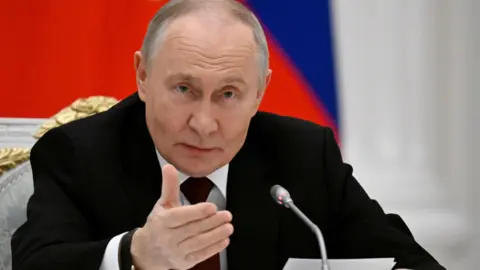
In a dramatic twist to the geopolitical saga, the relationship between Donald Trump and Vladimir Putin seems to be on shaky ground. A well-known Russian tabloid, Moskovsky Komsomolets, likened their current state to two trains speeding directly toward each other, with no intention to stop. The 'Putin locomotive' is full steam ahead with Russia’s ongoing conflict in Ukraine, while the 'Trump locomotive' revs up with stringent ultimatums and threats of increased sanctions.
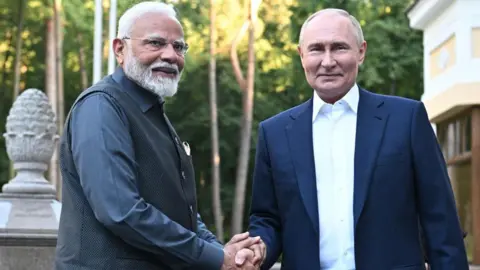
As Trump intensifies pressure on Moscow—targeting trading partners like India and China—tension runs high. Alongside the diplomatic rhetoric, there lies a potential for a breakthrough, with Trump's special envoy, Steve Witkoff, making frequent visits to Russia for talks.
Despite the increasingly frosty dynamic, there was once hope for a thaw. Early in Trump's presidency, cooperation seemed plausible as the U.S. showed alignment with Russia in international forums. Encouraged by this, some Kremlin observers had begun to suggest a shift in Washington's approach, interpreting Trump's style as a potential dismantling of established alliances.
However, as of late, Trump's frustration with Putin's lack of movement towards a ceasefire has become evident. His harsh criticism of Russia's actions has escalated, reflecting a shift from prior camaraderie. As deadlines for a deal narrow, doubts about the effectiveness of Trump’s methods grow—some analysts believe Putin may not feel sincere pressure.
Nevertheless, all hope for a deal isn't lost. Witkoff’s upcoming visit may yield new pathways for dialogue, potentially favoring cooperation over conflict. But the journey remains uncertain, with both leaders holding steadfast to their visions—Trump for a deal, and Putin for a decisive victory.