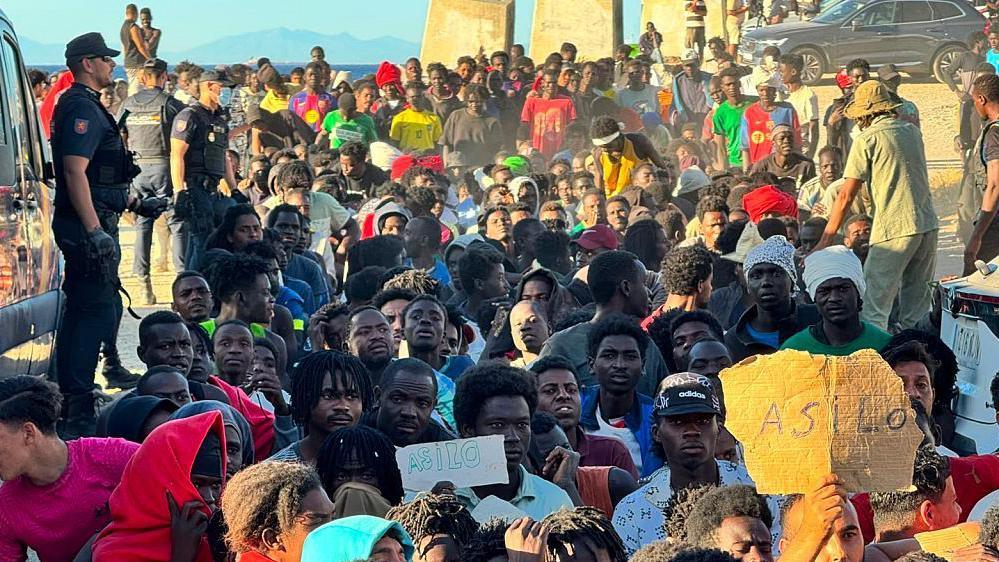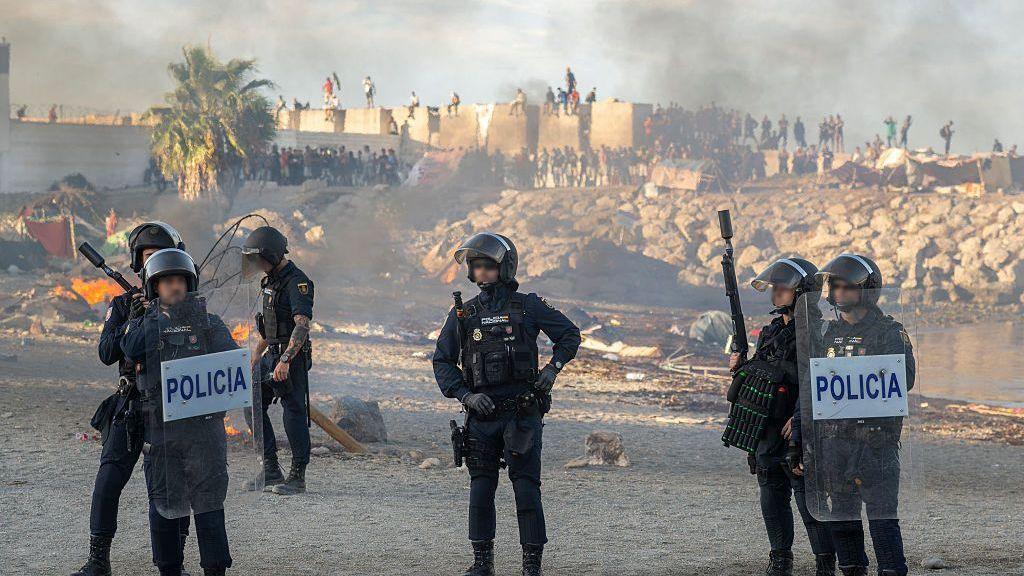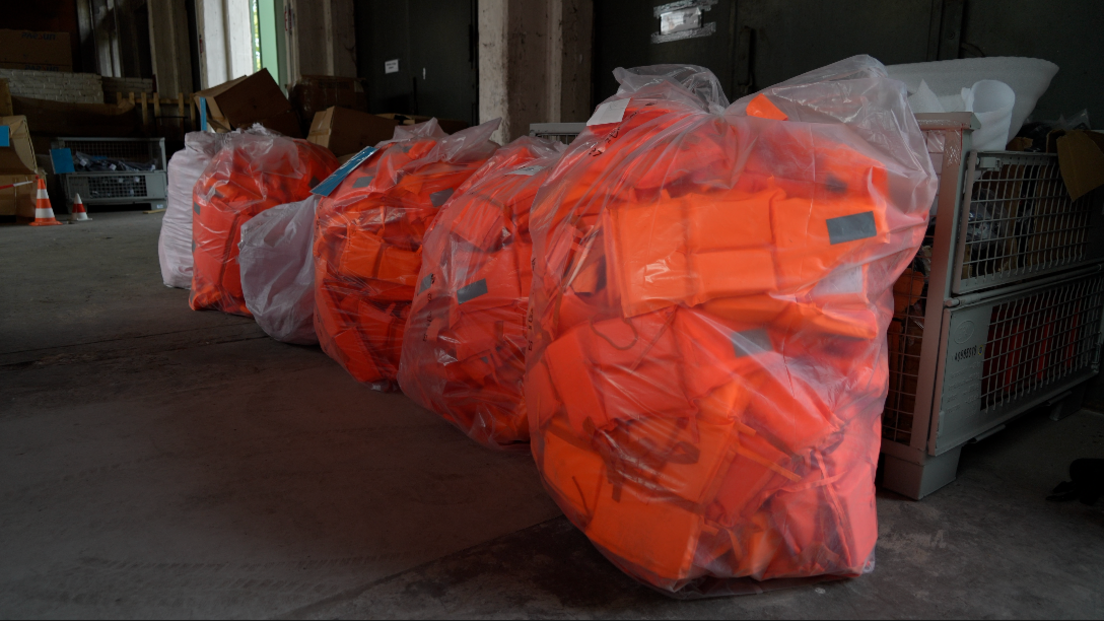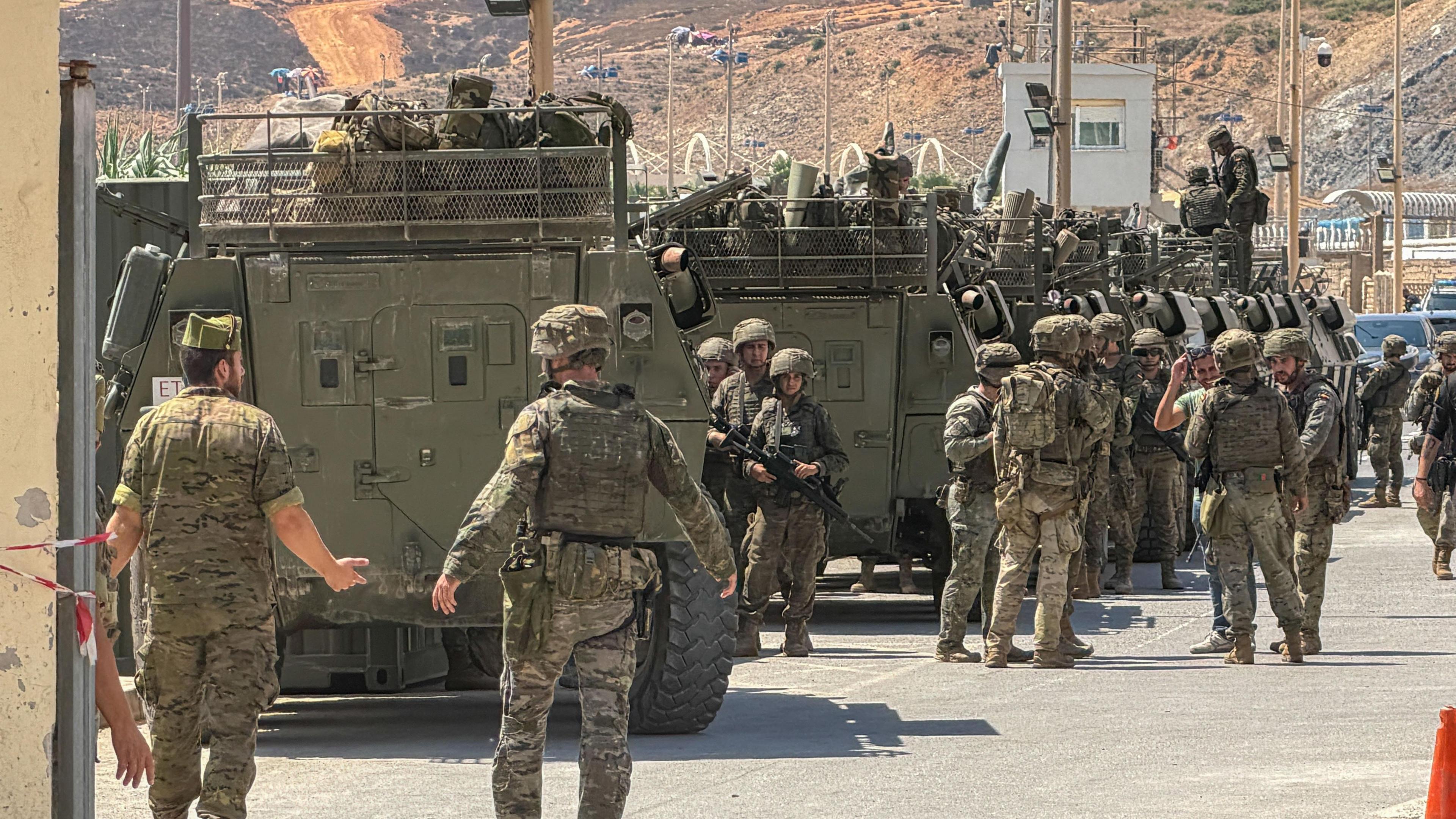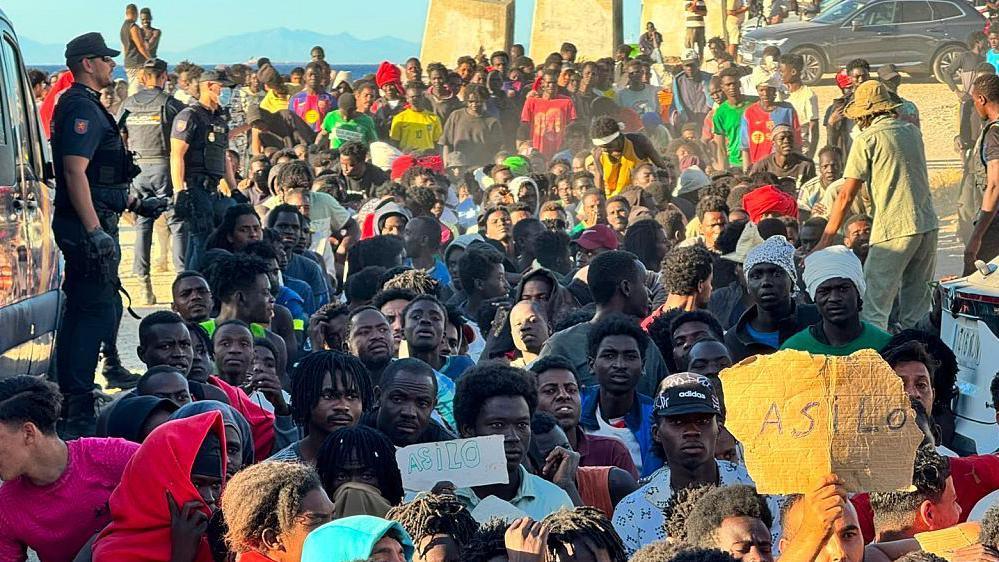
On 4 August, the European Union praised Spain for its swift handling of a sudden wave of migrants in Ceuta, a Spanish enclave on the North African coast. Spain’s Interior Minister, Fernando Grande-Marlaska, reported that about 72,000 migrants crossed into the territory between 30 and 31 July, with 70,000 subsequently sent back to Morocco.
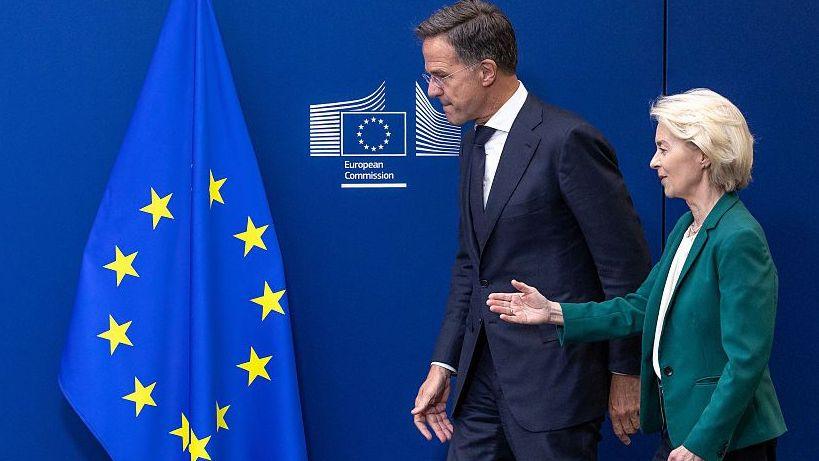
The crisis sparked heated debates across Europe. Italy described images from Ceuta as “shocking”, suspended its Schengen‑zone agreement with Spain for flights, and blamed the influx on criminal networks and social media misinformation. Despite the criticism, the EU’s highest bodies called for a unified European response and highlighted Spain’s actions as a “test” of resilience.
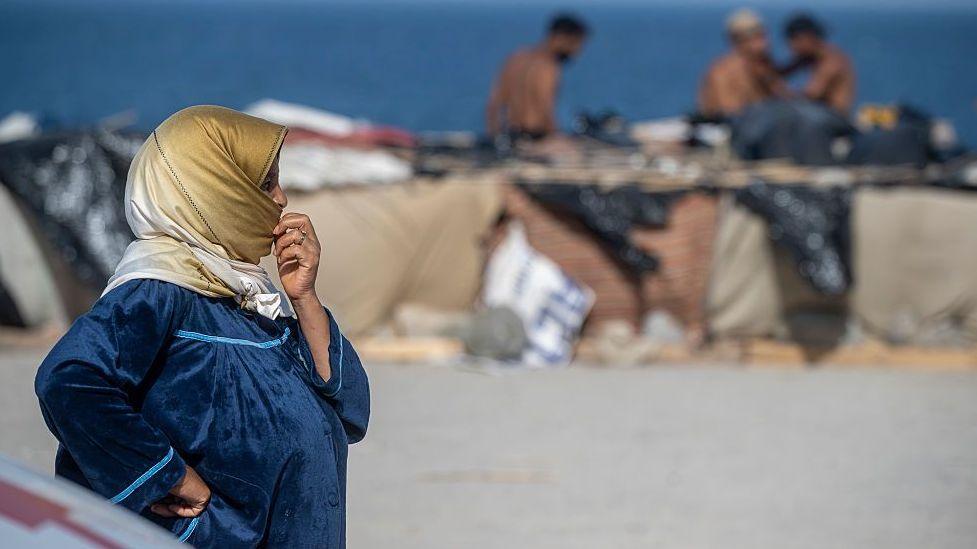
While the fast return of migrants eased border tensions, human‑rights groups were alarmed by the treatment of remaining migrants, especially minors. Reports surfaced of 800 children being held in facilities throughout Ceuta. Spain responded by allocating around €25 million to support minors, underscoring its commitment to safeguarding vulnerable families.
The incident also showcased the limits of the Schengen system: only a temporary flight‑border check suspended, because Spain and Italy are not land‑bordering. EU officials emphasized that the crisis had “successfully passed” the emergency test, and offered Spain emergency financial aid to strengthen its borders.
At its core, the Ceuta migration wave stressed the need for coordinated, humane solutions. While Spain worked with Morocco to prevent further violations, the EU and other member states continue to grapple with the challenges of a fast‑moving, high‑profile border crisis.