In brief
The Democratic Republic of the Congo has launched a trial of the Ervebo vaccine to see if it protects against the Bundibugyo strain of Ebola that has brought a new outbreak to the country. With the World Health Organization warning that the spread is growing faster than ever, almost 2,500 people have died in the past three months. The trial will use 20,000 doses while another 50,000 will be given to frontline health workers. The move comes amid worries that the virus may have been circulating since February under mistaken diagnoses of typhoid or malaria, and in a country plagued by conflict and mistrust of health authorities.
Ebola Vaccine Trial Begins in DR Congo
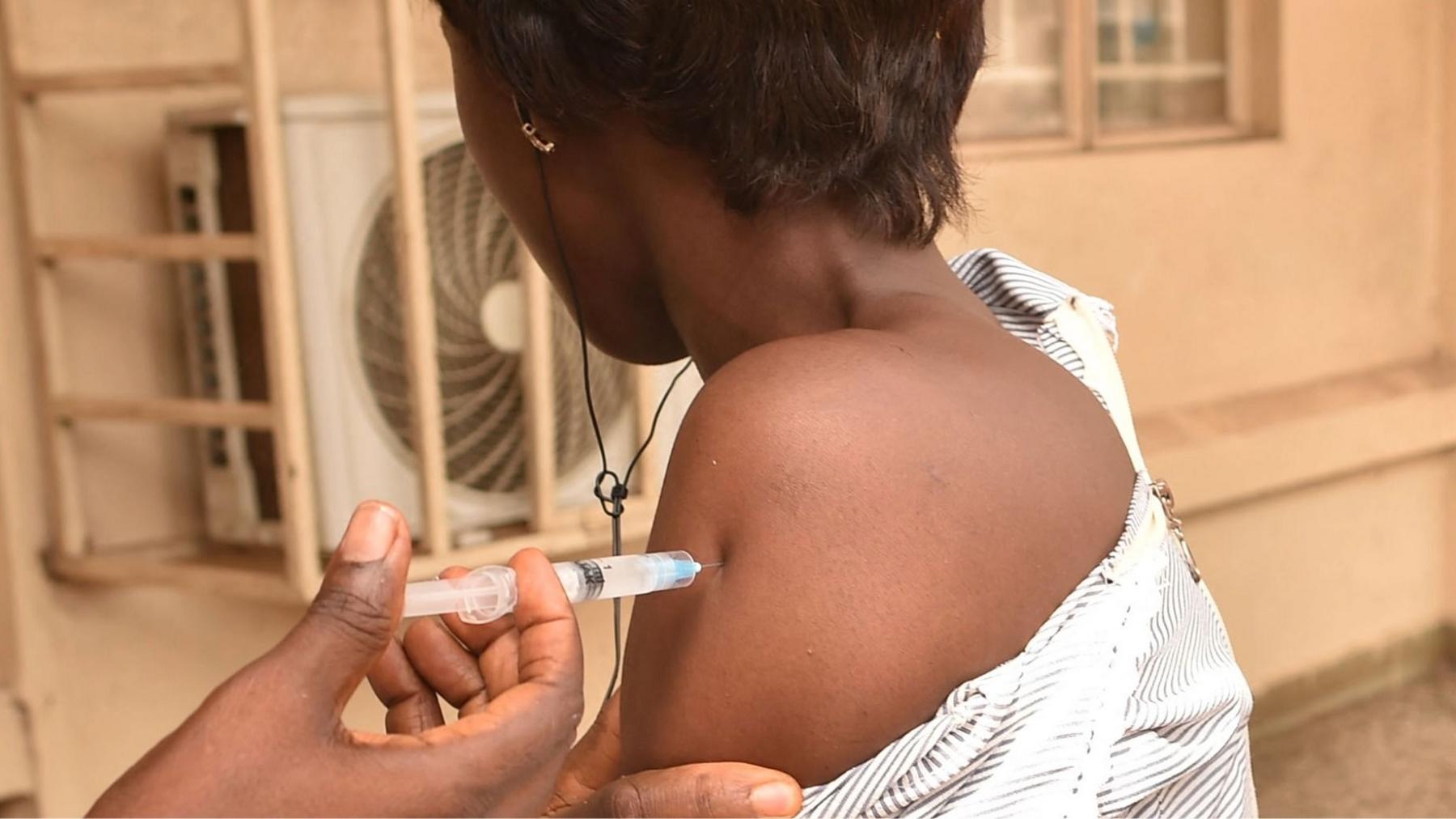
The Democratic Republic of the Congo is kicking off a clinical trial of the Ervebo vaccine to determine if it can protect against the Bundibugyo species that is driving this outbreak.
Ervebo is known to guard against the Zaïre strain of Ebola; however, no proven vaccine exists for Bundibugyo, the strain involved in the latest spread of the disease.
The World Health Organization warned that Ebola cases are “growing exponentially” across the north and east of DR Congo—a region larger than France—with close to 2,500 deaths reported after only three months of the outbreak.
WHO’s Ebola co‑ordinator, Julien Harneis, told reporters that half of the deaths occurred in the last 20 days, describing the situation as “faster and wider than the previous Ebola response.”
A Save the Children report cites at least 180 children who have lost both parents or caregivers as a result of the epidemic, making it the deadliest outbreak in DR Congo’s history and second only to the 2014‑2016 West African surge.
Experts believe the virus may have been active since February, initially confusing symptoms of typhoid or malaria with Ebola—an issue compounded by ongoing conflict, local mistrust, and traditional burial practices.
WHO has earmarked 20,000 vaccine doses for the clinical trial and an additional 50,000 to immunise frontline health workers, a move hailed by the African Centres for Disease Control and Prevention as a vital response reinforcement.
Meanwhile, the M23 rebel group, which controls parts of eastern DR Congo, has imposed a month‑long ban on shared taxis and passenger boats between government‑held and rebel‑held areas—following two new Ebola‑positive cases in a rebel‑controlled village—highlighting how hostilities complicate containment efforts.
Bundibugyo infection symptoms—fever, headache, nausea—mirror the flu or malaria and can progress to vomiting, diarrhea, and organ failure. The virus spreads through contact with bodily fluids such as blood and vomit.