In brief
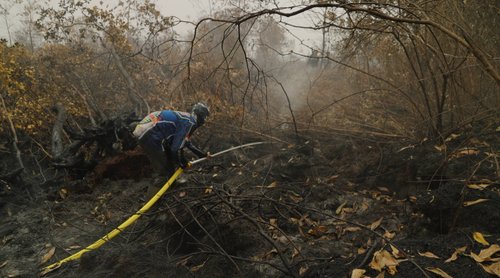
The 2026‑27 El Niño is forecast to be the strongest in living memory, according to the UK Met Office. It could push 2027 to become the hottest year on record as warming fans up global temperatures. The wave already shows signs of altering rainfall, with monsoons drying in India and fewer hurricanes in the Atlantic. In the UK it could spell a wet, stormy autumn, with a higher chance of late‑winter cold snaps. Global impacts include potential droughts in Australia, floods in Peru and an increased risk of bushfires.
What Is El Niño?
El Niño is a natural climate pattern that spikes every 2‑7 years, lasting about a year. It happens when warm Pacific water spreads east, messing with ocean trade winds.
The Steadiest El Niño in History
The Met Office says the current El Niño could top the record since the 19th century, with sea‑surface temps 3°C above average later this year. Scientists warn 2027 may be the hottest year on record.
World‑Wide Ripple Effects
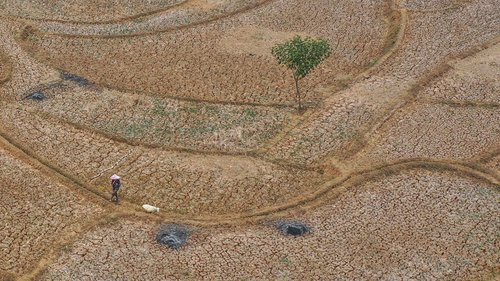
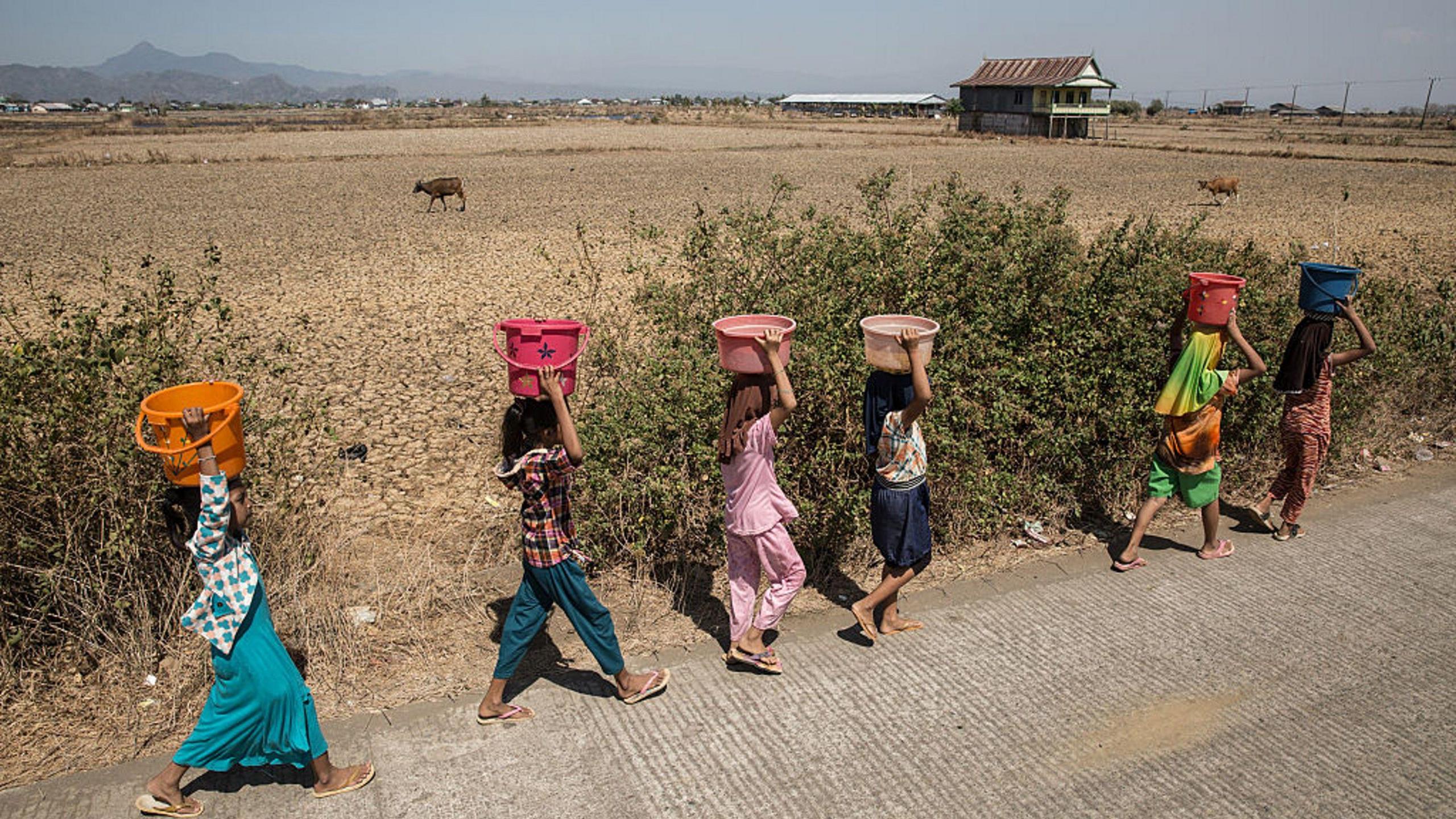
Wet, stormy rain is expected in the UK; drought in Australia; less hurricane activity in the Atlantic; and downy monsoon rains missing in India. Every El Niño is different, but the early signs are already visible.
Why 2027 Could Be Hotter Than 2024
Heat released by the ocean during El Niño can raise global average temperatures, especially in the year after winter peak. Climate scientists expect 2027 to eclipse 2024 as the warmest year so far.
What This Means for You
If you’re in the UK, keep an eye on the weather forecast: you could see more rain and storms in autumn. If you’re in places prone to drought or wildfires, it’s a good time to factor extra water resources into your plans. No matter where you’re from, staying aware helps you adapt to the planet’s shifting patterns.