Election Victory & Rising Tension
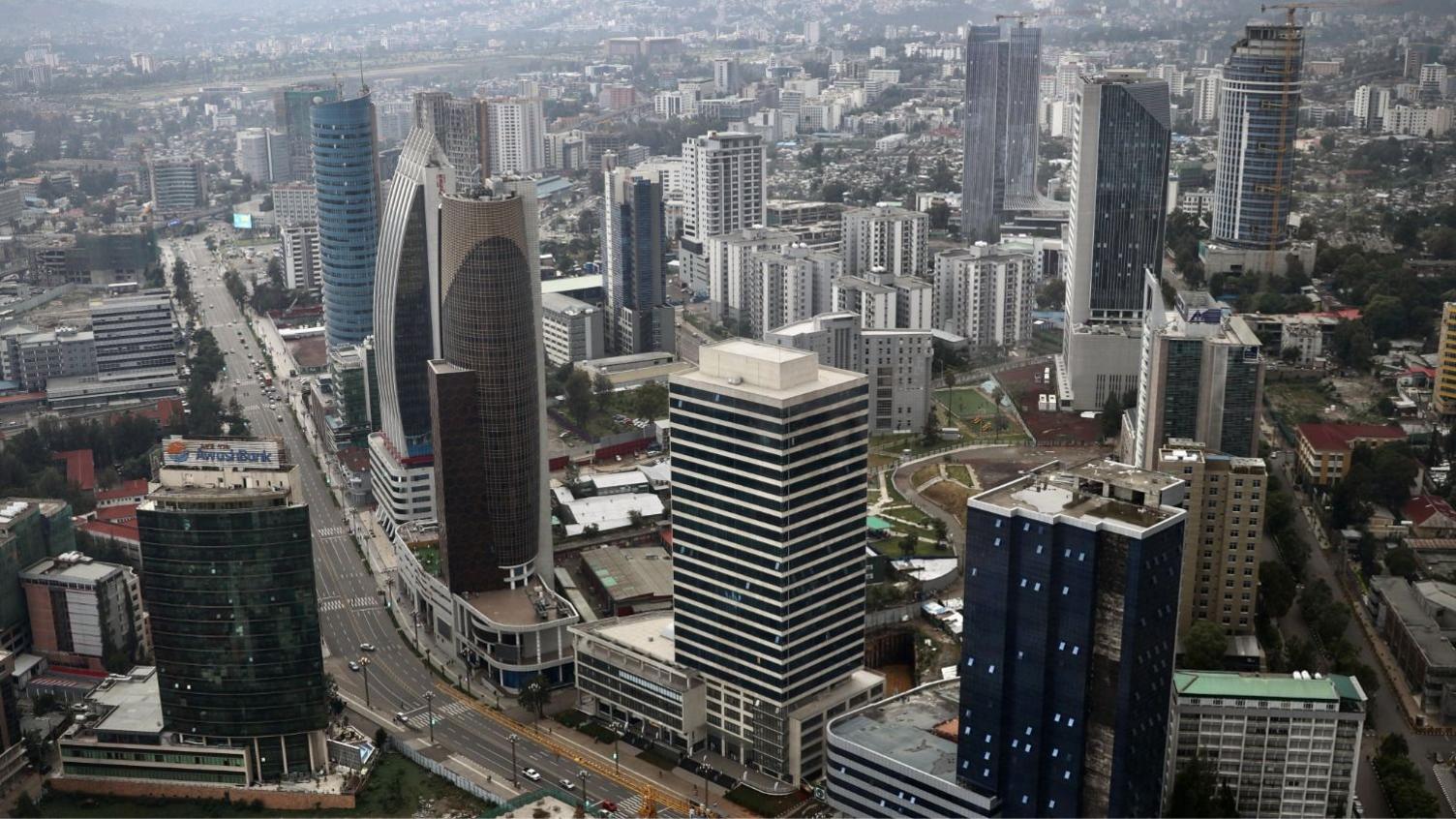
Ethiopia held a general election on 1 June 2026, and Prime Minister Abiy Ahmed’s Prosperity Party snapped up 438 of the 501 contested seats, a landslide that secured another parliamentary majority for the country’s leader. Abiy, 49, is slated to be sworn in for the next term in early October, a move that his supporters see as a promise to keep the economic gains he rolled out in recent years.
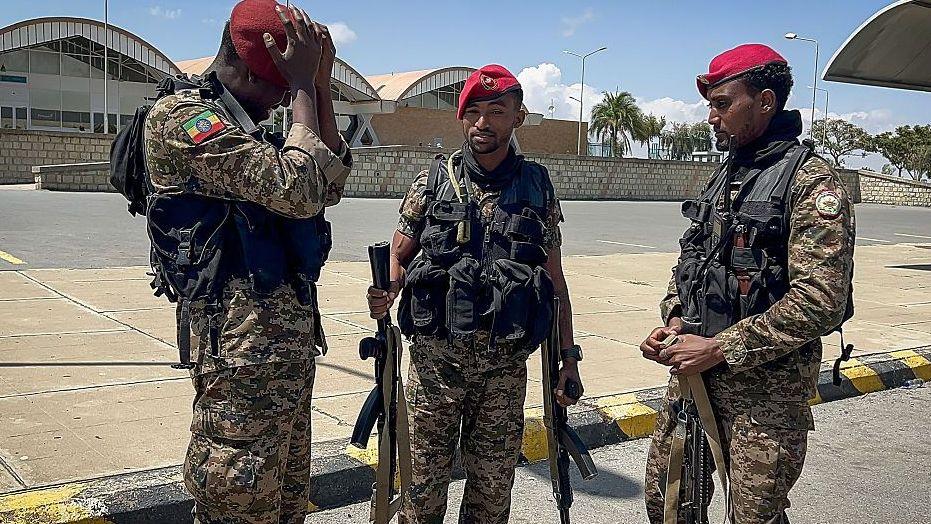
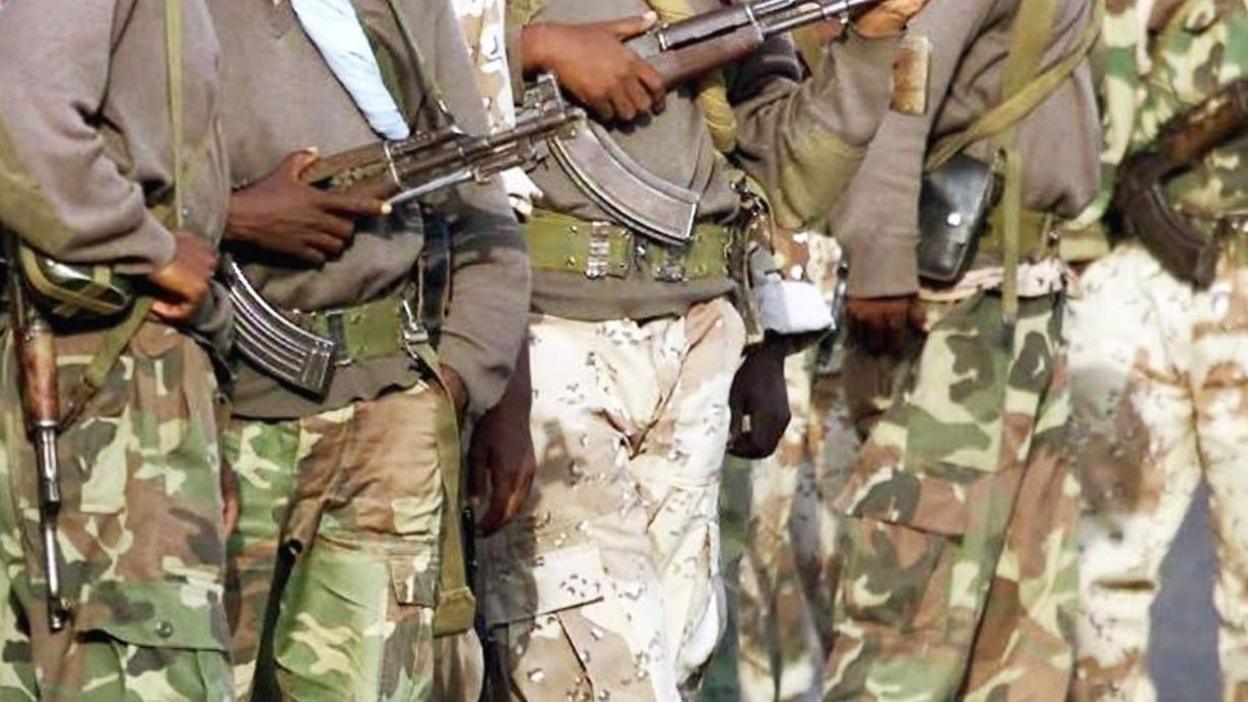
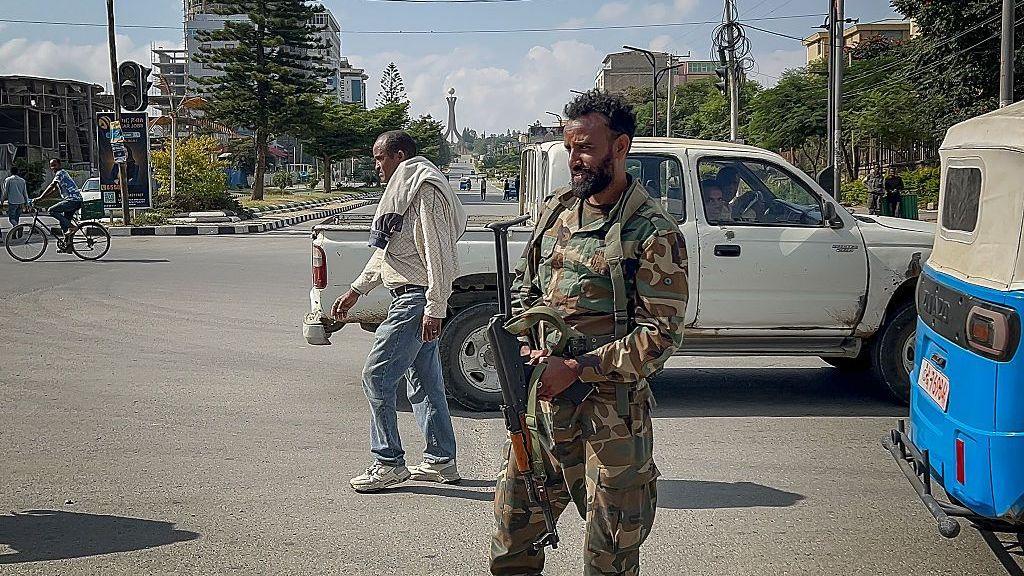
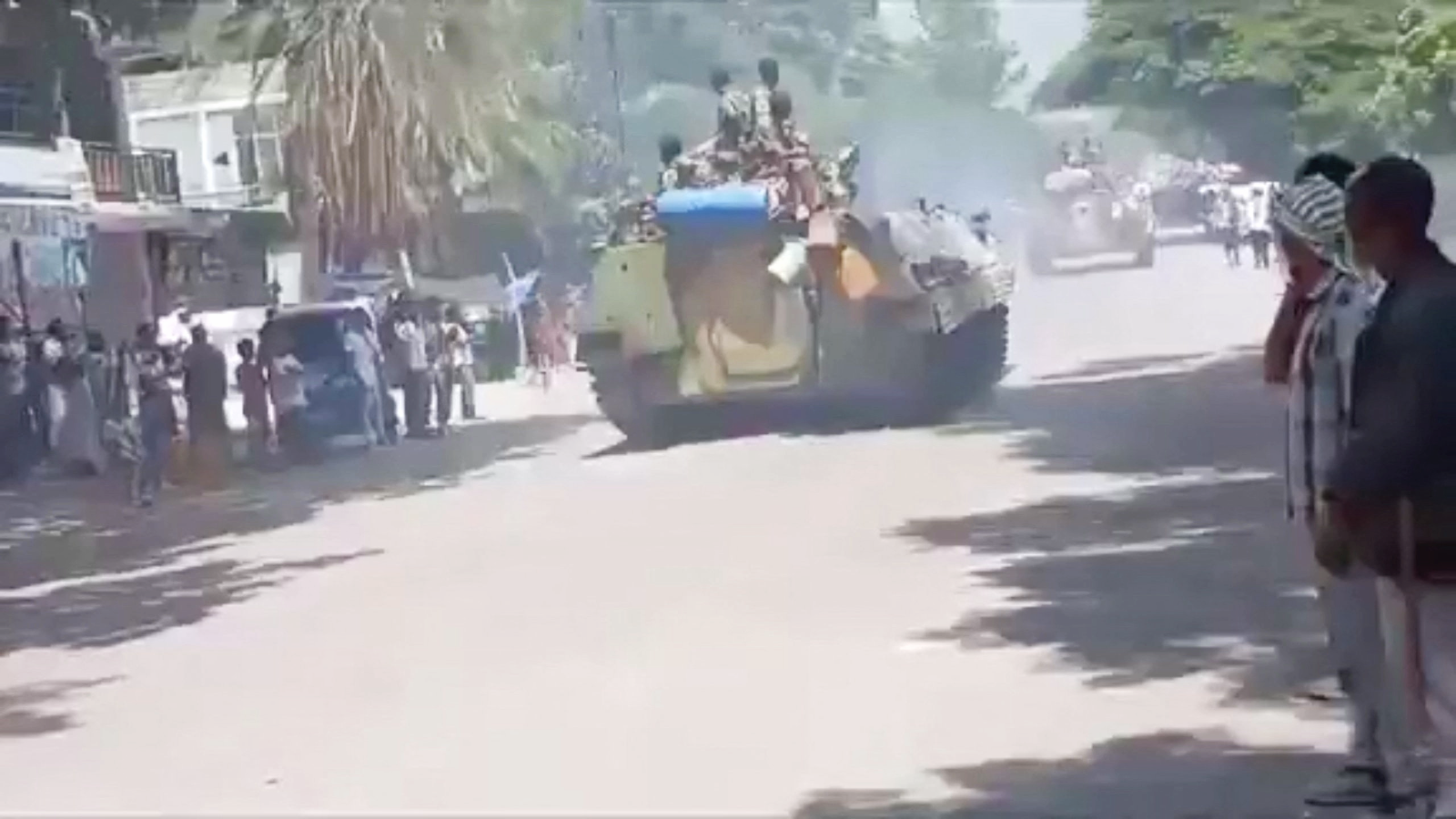
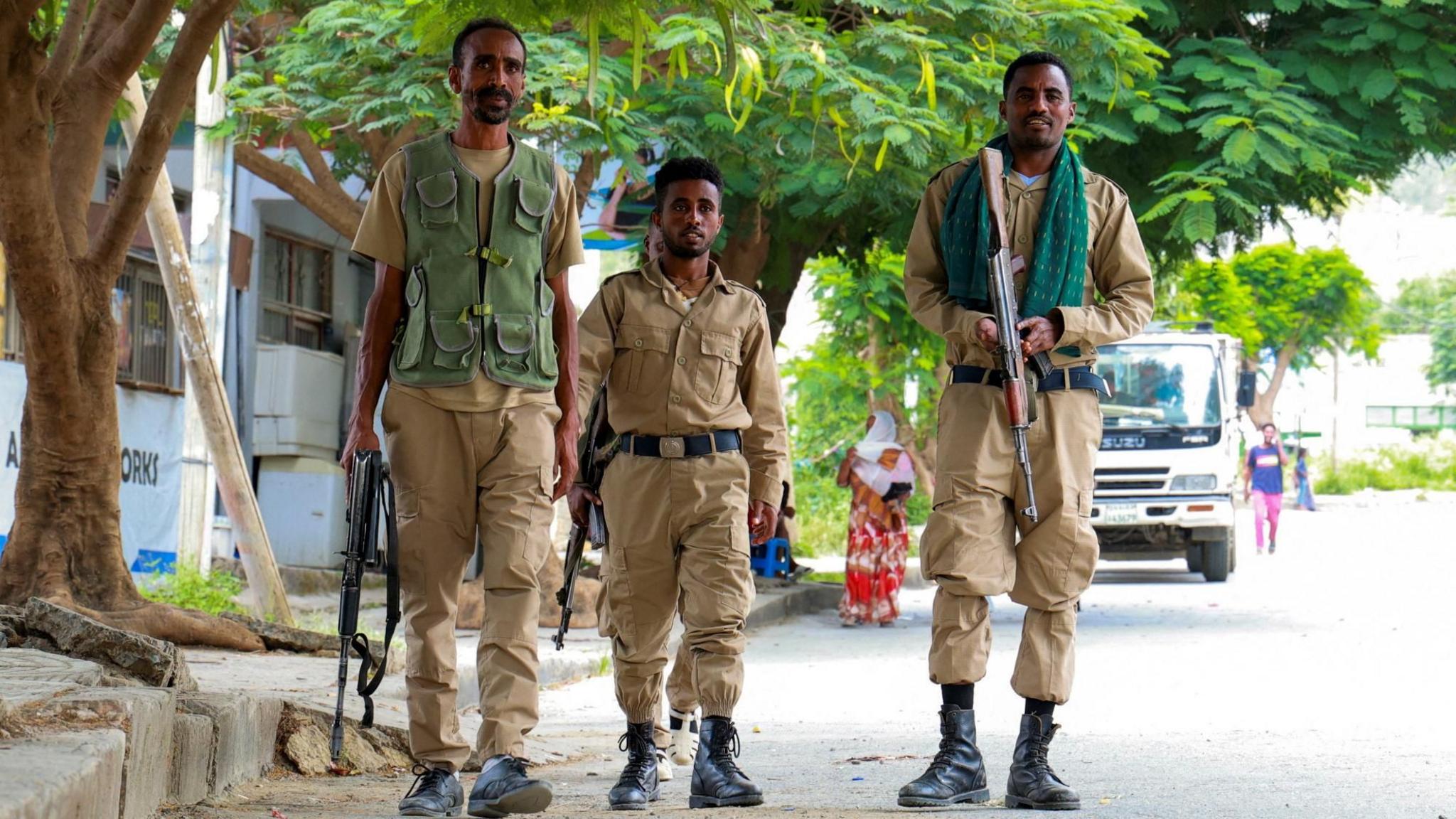
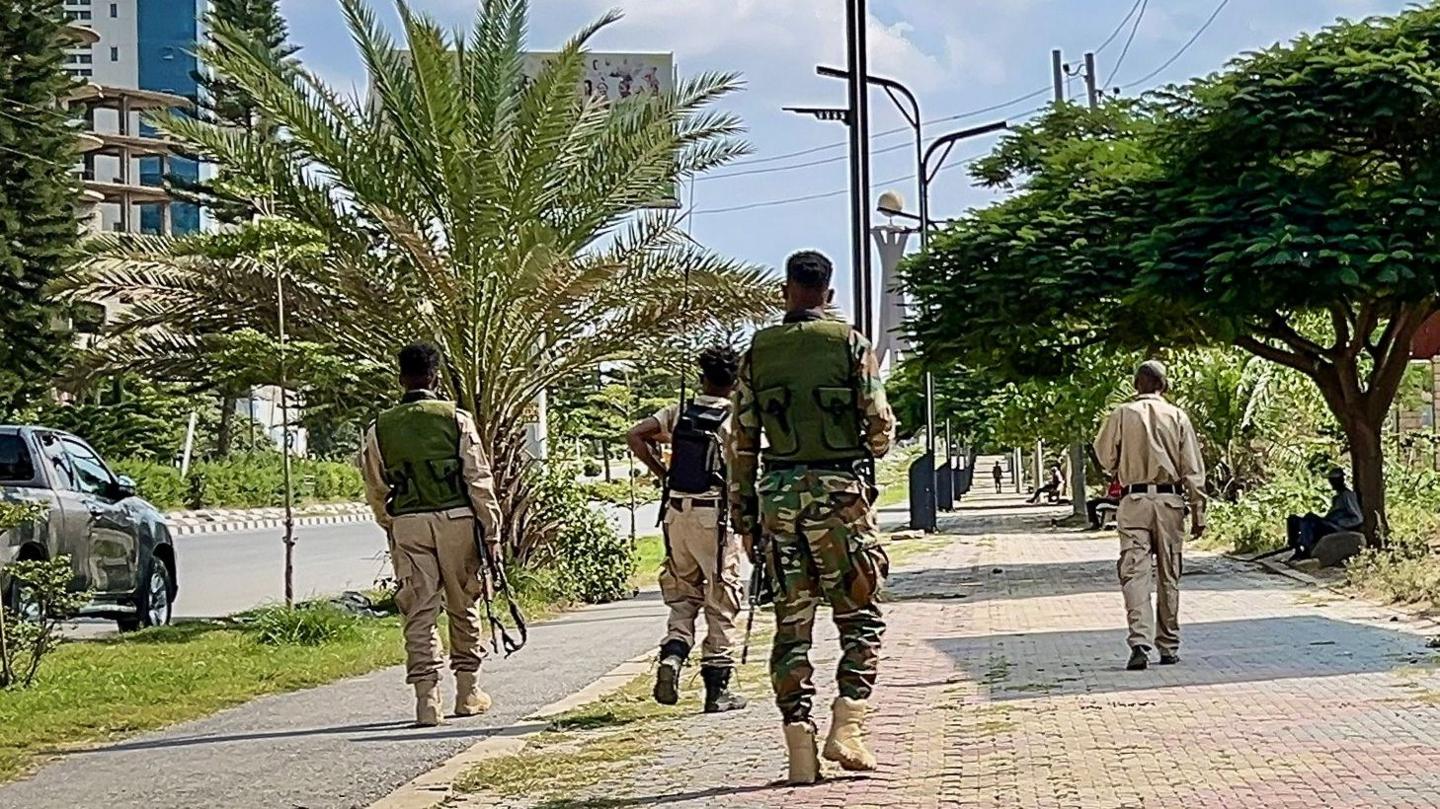
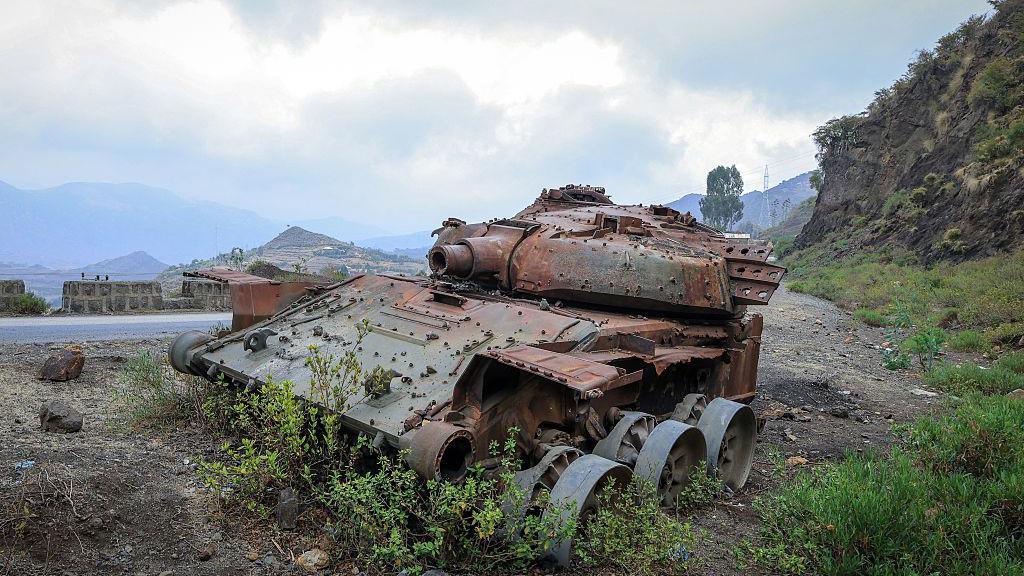
The win does not come empty of conflict. Two major militias, the Fano in Amhara and the Oromo Liberation Army (OLA) in Oromia, rejected the election and closed 143 polling stations over security concerns. Meanwhile, Tigray—home to six million people—was barred from voting completely, a decision that has the region still buzzing with fear over a possible new iteration of the war that ended in 2022.
Other forces that could further destabilise the picture include Eritrea, whose 2023 stance against Ethiopia’s push for a Red Sea port and 2026 tightening of ties with Tigrayan leaders could bring the two nations back into alliance if conflict flares. Sudan’s own internal warfare and the rapid rise of the Rapid Support Forces (RSF) have also led some analysts to argue that the region sits on a powder keg that could explode in ways that threaten to spill across borders.
International bodies have spoken up: the European Union urged “immediate de‑escalation” in the north, and the U.S. announced visa restrictions targeting hard‑line members of the TPLF and their families—no names given, but a stern warning that Ethiopia’s own approach might tilt the balance further toward conflict. Yet a well‑known Hirnut Group member says a full war isn’t inevitable, though the low‑level tensions it brings are “dangerous.”
For students and scholars of African politics, the data points to a fragile coexistence this year—an election that looks won but one that comes alongside heavy‑handed arms, stalled negotiations, and a political landscape that could shift again in a flash. Keep an eye on the next rounds, as the balance might tilt sharply, for it can mean either a step toward lasting peace or a pivot back into the chaos of war.
Source: BBC Africa, 21 June 2026