In brief
Farmers in Louisiana are struggling against an invasion of apple snails, which overcrowd crawfish traps and endanger rice harvests. Coupled with the appearance of destructive insects called delphacids, farmers are forced to adapt their practices and face higher production costs. Researchers warn that climate change may play a role in the spread of these pests, making agriculture in the region increasingly challenging.
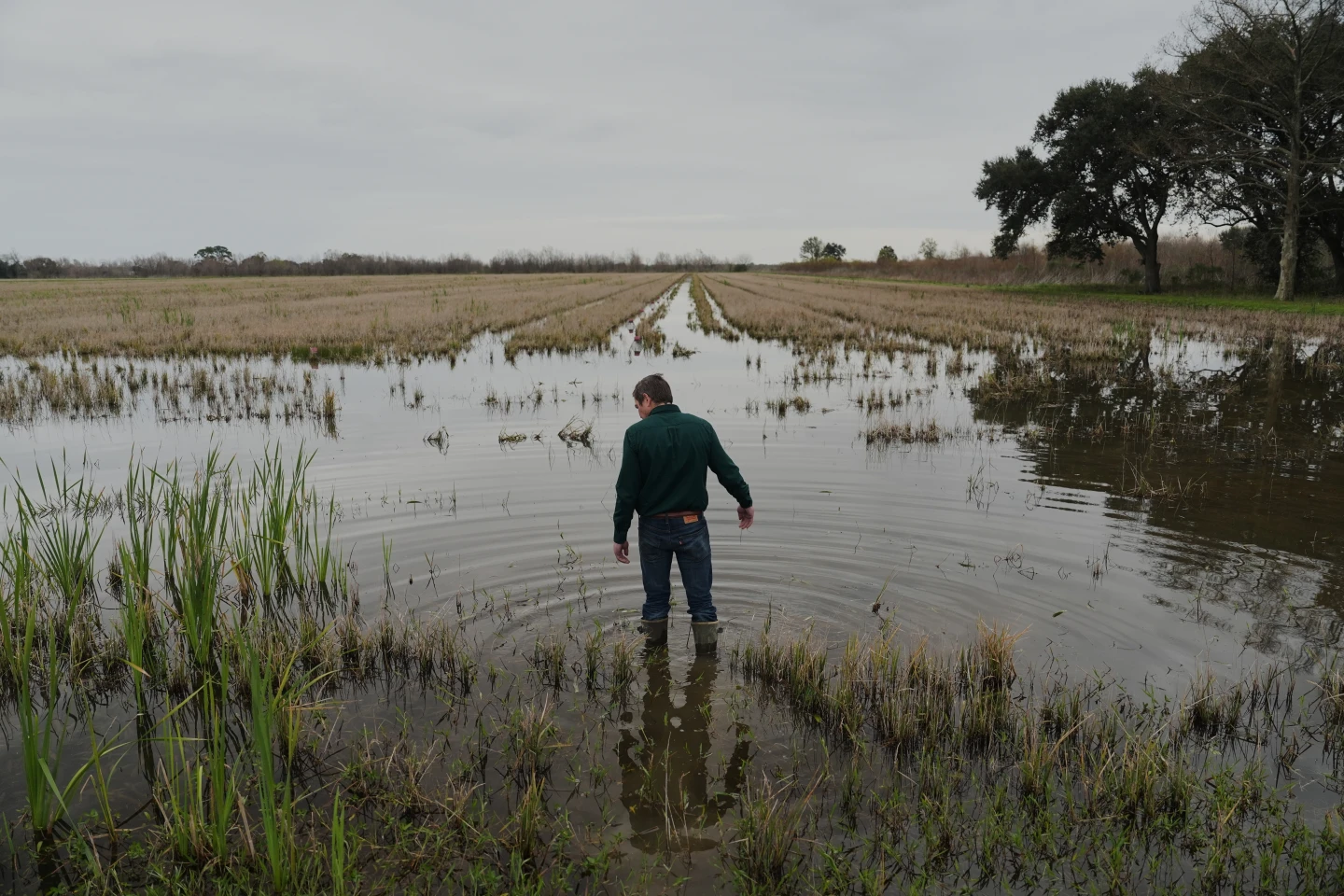
Farmers in Louisiana, like third-generation crawfish harvester Josh Courville, are faced with a distressing new foe: giant apple snails. These snails not only become entangled in the traps intended for crawfish, but they can also spawn thousands of sticky, pink eggs per month, exacerbating the problem.
Meanwhile, invasive insects known as delphacids are also causing severe damage to rice fields in the area. Farmers have observed how these pests threaten their dual crop methods, leading to fears of significant yield losses.
Not long ago, Courville reported seeing more snails post-flooding, and since then, their population has exploded. The snails feast on young rice plants, leaving destroyed fields in their wake, and have become a point of concern for tight-fisted farmers in the region.
We’ve got to change our planting method to combat the snails, which raises our costs and lowers our production, noted Christian Richard, a local rice farmer.
Researchers at Louisiana State University assert that about 78 square miles of farmland now regularly experience these snails. Given that many pesticides that could control them could also affect crawfish, farmers have limited options. Some have begun testing copper sulfate, but it adds significant costs to farming operations.
Experts also warn that climate change could be making it harder to manage these invasive pests, potentially allowing them to thrive longer in warmer conditions.
As the battle against these pests continues, farmers are left to find innovative solutions to sustain their livelihoods while coping with the pressures of climate change.