Gulf nations are facing a wave of attacks as the ongoing war involving the US, Israel, and Iran escalates. Reports indicate that significant strikes from Iran have targeted major industrial infrastructures in the region, raising alarms about safety and economic stability.
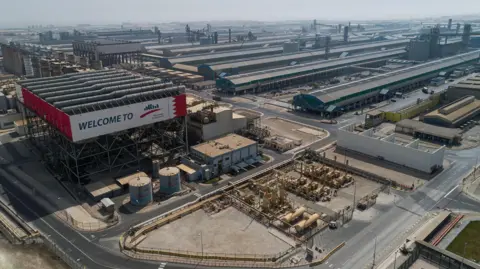
In the United Arab Emirates, Iranian strikes on an important aluminium plant in Abu Dhabi resulted in injuries, with substantial damages reported by Emirates Global Aluminium. Another attack on Aluminium Bahrain, one of the world's largest smelting facilities, left two employees injured.
Adding to the complexity, Yemeni forces backed by Iran have vowed to continue missile strikes, particularly against Israel, heightening concerns about potential economic disruption including the shipping industry in the Red Sea. The Houthis have previously engaged in attacks to support Hamas during recent conflicts.
The ripple effects have been felt in oil and gas markets, with prices surging due to Iran's maneuvers to interrupt shipping through the strategic Strait of Hormuz. Should the Houthis escalate their targeting of shipping, energy costs could spiral even higher.
As the region grapples with these threats, reports have emerged of other nations like Oman and Kuwait facing their own challenges with drone attacks and infrastructure damage, indicating a widespread impact from the conflict. Iran itself accused Israel of targeting its steel production facilities, suggesting a reciprocal escalation in military actions.
With journalists among those caught in the crossfire in Lebanon, and paramedics reportedly killed, the conflict continues to take a toll on civilian lives even as military power plays unfold.