In brief
Nicolás Maduro, Venezuela's leader, asserts that U.S. pressure on his country stems from a desire for its vast oil reserves. He highlights recent military actions following U.S. sanctions, sparking a debate about whether American interests lie in oil or drug trafficking. While Venezuela has the world's largest oil reserves, production has significantly declined, raising questions about the U.S.'s true intentions. Analysts suggest U.S. involvement in the region hinges more on drug issues than on oil interests, despite some U.S. companies eyeing the potential market.
Venezuelan leader Nicolás Maduro says escalating pressure from the U.S. comes down to one thing: Washington wants to grab the South American nation's vast oil reserves.
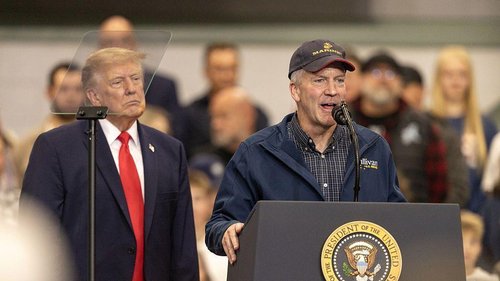
This week, the American military seized an oil tanker allegedly carrying Venezuelan oil being shipped in violation of U.S. sanctions and also threatened action against other vessels. The military strikes followed Maduro’s crackdown on what the U.S. claims are drug-trafficking boats. President Trump has called for Maduro to be ousted, accusing him of narcotics trafficking and violence against America.
But the question remains: Does Trump truly desire Venezuela's oil? And would it even be worth it?
How Much Oil Does Venezuela Have?
Venezuela boasts an estimated 303 billion barrels, housing the world's largest proven oil reserves. However, its current production is minuscule compared to its potential.
Since the early 2000s, output has plummeted due in part to tighter controls by the government over the state-run oil firm, PDVSA, leading to an exodus of experienced employees. While some Western oil firms like Chevron remain, their operations have reduced significantly due to increased sanctions.
The U.S. imposed sanctions starting in 2015 under President Obama, citing human rights violations, which subsequently deprived Venezuela of necessary investments.
In November, Venezuela's estimated oil production was about 860,000 barrels per day, less than a third of its output a decade ago, and hardly makes up 1% of global oil consumption.
Is Trump Interested in Venezuela's Oil?
Some U.S. policymakers argue for intervention in Venezuela, highlighting potential opportunities for U.S. businesses to revitalize the oil industry. Some voices in Congress, such as Florida representative María Elvira Salazar, argue that U.S. companies could significantly profit.
Despite this rhetoric, the administration has indicated that issues related to drug trafficking and Maduro's regime remain the primary focus. Recent comments from White House officials underscore their aim to stop illegal drug flows from Venezuela.
What Does the U.S. Really Want?
U.S. companies, particularly Chevron, are currently the only major American oil players in Venezuela. Although they've received permission to operate, they have limited involvement due to ongoing sanctions.
Analysts suggest that should the U.S. relax its barriers, companies like Chevron could benefit significantly. However, it’s still uncertain how willing companies would be to invest given the complexities surrounding Venezuela's political situation.
Challenges Ahead
Restoring Venezuela’s oil industry would require substantial investments and a considerable amount of time. Analysts estimate that a functional revival would need tens of billions of dollars and could take at least a decade.
Furthermore, with global demand for oil projected to decline by the late 2030s, potential investors face daunting questions regarding profitability.
So, while Maduro accuses the U.S. of coveting his country's oil, the reality might be a complex mix of geopolitical interests, economic realities, and an evolving energy landscape.