In brief
The thawing Arctic tundra, once a crucial carbon sink, is now releasing more CO2 than it absorbs, exacerbating climate change.
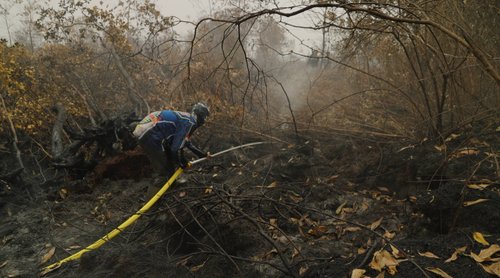
The Arctic tundra, known for its icy terrain and resilient vegetation, has historically played a key role in maintaining Earth's climate by absorbing carbon dioxide from the atmosphere. However, due to escalating fossil fuel emissions, warmer temperatures are melting the permafrost and fueling wildfires, triggering a dramatic shift in the tundra's function. For the past two decades, analysis from the National Oceanic and Atmospheric Administration (NOAA) indicates that the tundra is now emitting more carbon dioxide than it can effectively absorb, a trend not seen for thousands of years. This alarming insight comes from NOAA's 2024 Arctic Report Card, revealing that the region has been consistently experiencing above-average warmth compared to the rest of the globe.The report highlights unprecedented changes, including record low sea ice levels in the Northwest Passage and notably shortened snow seasons in Arctic Canada. Climate experts stress that the Arctic landscape today is drastically different from what it was just 20 years ago, marking a critical shift that signals broader implications for our planet's climate future.