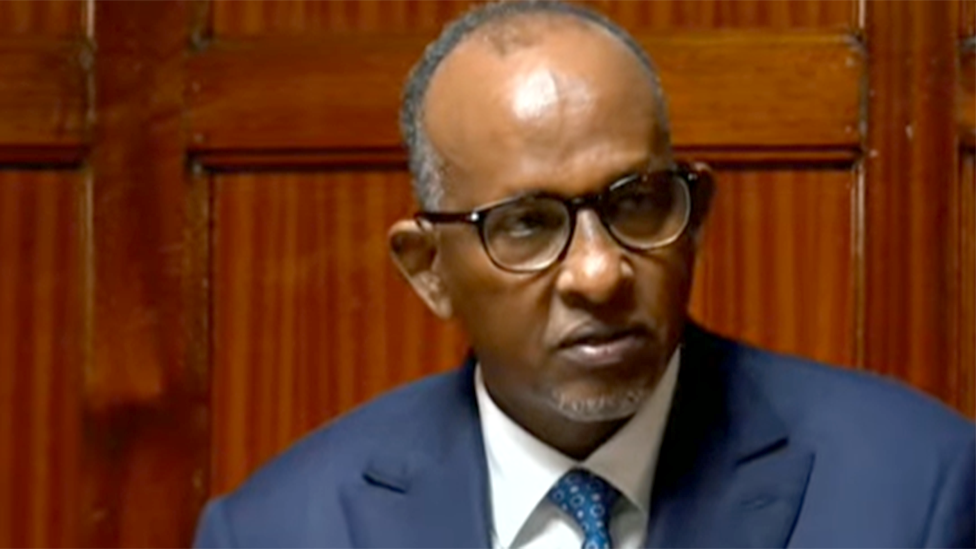
Health Minister Aden Duale announced the immediate stop of the US‑backed 50‑bed Ebola quarantine centre in Nanyuki after a High Court found him in contempt for ignoring a prior order.
In a brief court apology, Duale told the judge he had “directly and completely stopped” construction at the military base site. The facility, aimed at housing U.S. citizens suspected of Ebola, had already seen work continue despite a May ruling from the Katiba Institute that called its purpose a “grave risk to public health.”
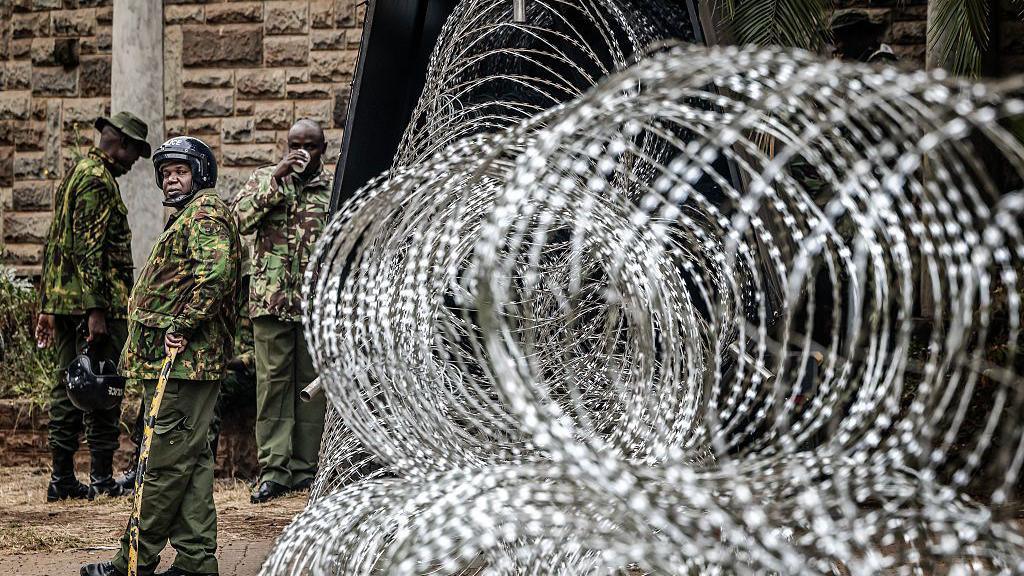
Duale’s decision comes amid growing protests in the town, where police clashes left three people dead, including 17‑year‑old Sylvester Muigai Ndung’u. Witnesses claim he was shot in the head, though the police have not yet released a post‑mortem report.
The court’s stern warning to Duale—who said he would never defy an order again—underscores a legal battle that pits government health policy against the rule of law. Lawyers had pushed for a 15‑month sentence, arguing the minister deliberately ignored a court order.
Duale cited scientific advice that the base’s distance from populated areas and strict access controls mitigate risks. President William Ruto has defended the centre, saying refusal of U.S. funding would be “inhuman.”
Kenya has not recorded an Ebola case yet, but U.S. aid of $13.5m supports regional preparedness in the Democratic Republic of Congo, which has over 1,000 confirmed cases. The U.S. commitment totals $112m toward the outbreak response.
The incident spotlights tensions between international health aid, national sovereignty, and public safety, raising questions about how best to protect citizens without compromising legal integrity and community trust.