In brief
Experts warn that oil ships face their most dangerous period yet, with the Strait of Hormuz traffic dropping to only a handful of vessels daily. The Red Sea, once a lifesaver for Saudi tankers, has become a new front for Houthi attacks. Even as talks with Oman and potential US‑Iran talks flicker, shipping companies brace for long‑term disruptions, while oil prices swing wildly with each new threat.
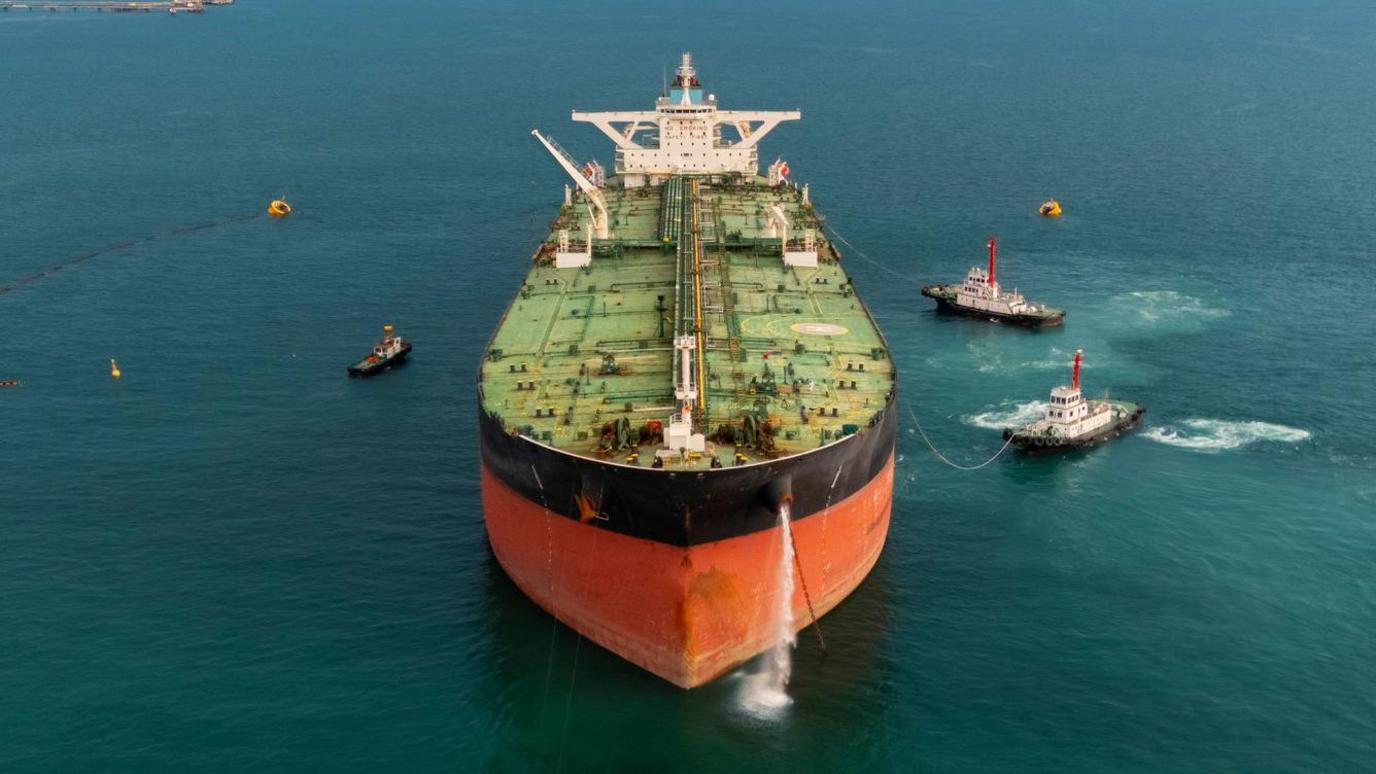
The threat to oil tankers in the Middle East is at its worst since the Iran war began, analysts say, after a spate of attacks on another key route in the region.
With Iran blocking the Strait of Hormuz, Saudi tankers have been rerouted through the Red Sea, but recent Houthi fighters launching missiles at these ships have raised the risk level even further. The strait once saw over a hundred vessels per day; now only 8–11 cross each day, a steep drop from the 20% share of global oil traffic it used to carry.
“In terms of threat to the trade of crude, we’re at the worst period since this crisis began,” said Matthew Wright of Kpler. Even when the U.S. paused a broader war with Iran in June, the violence resumed, cutting traffic sharply again. Many vessels now go “dark,” turning off their transponders to avoid detection.
After a 20 July blockade announcement by the Houthi militia, the Marine Trade Operations agency reported several attacks in the Red Sea. The result? Only about half of pre‑attack shipping volumes now pass through, and crude loads for Asia have fallen to a record low of four per day.
Shipping giant Hapag‑Lloyd said it would monitor developments closely, noting that if the Strait of Hormuz were to reopen, normal cargo flows could resume within three to four months, but current uncertainty means the horizon is far uncertain. Oil prices, already volatile, fell sharply after Trump’s cancellation of planned Iran strikes, with Brent crude dropping 4.4% to $84.05 on the day of the announcement.
In short, the maritime market is stuck at a “terrible state, with no clarity and no change of fortunes within sight.” Keep following SnapScope for tips on how to stay ahead of shifting global shipping lanes, and share your story on how the trend is affecting your own life.