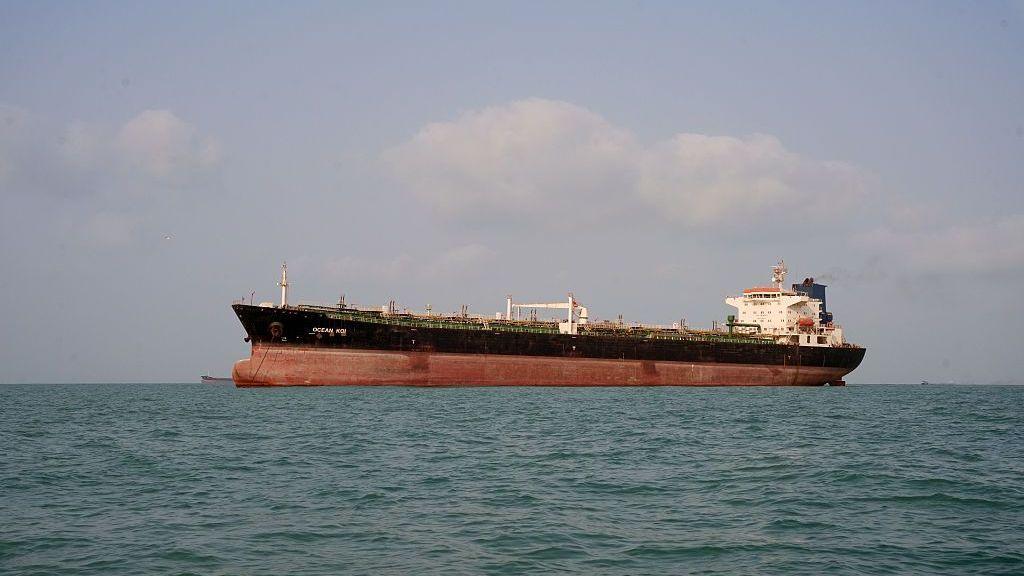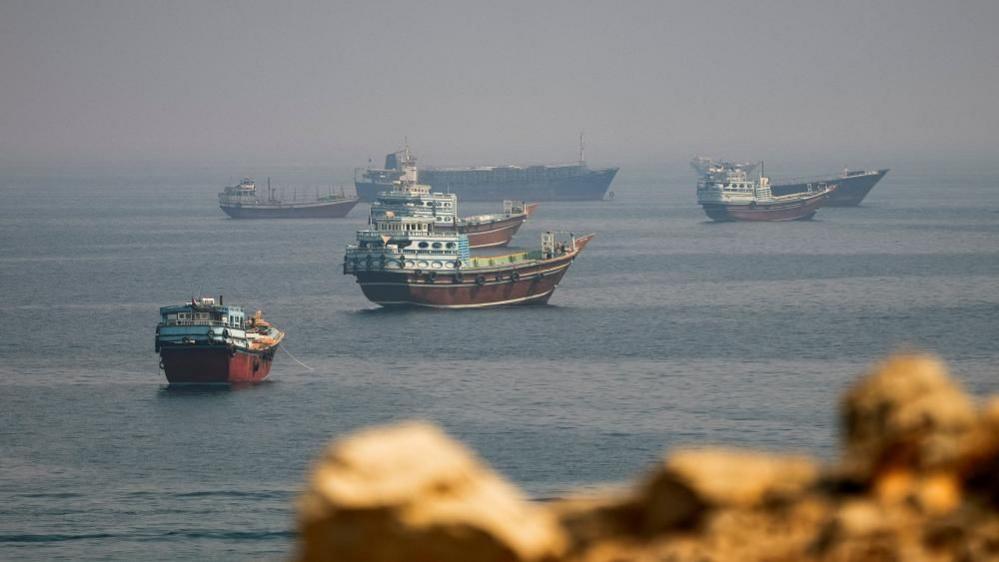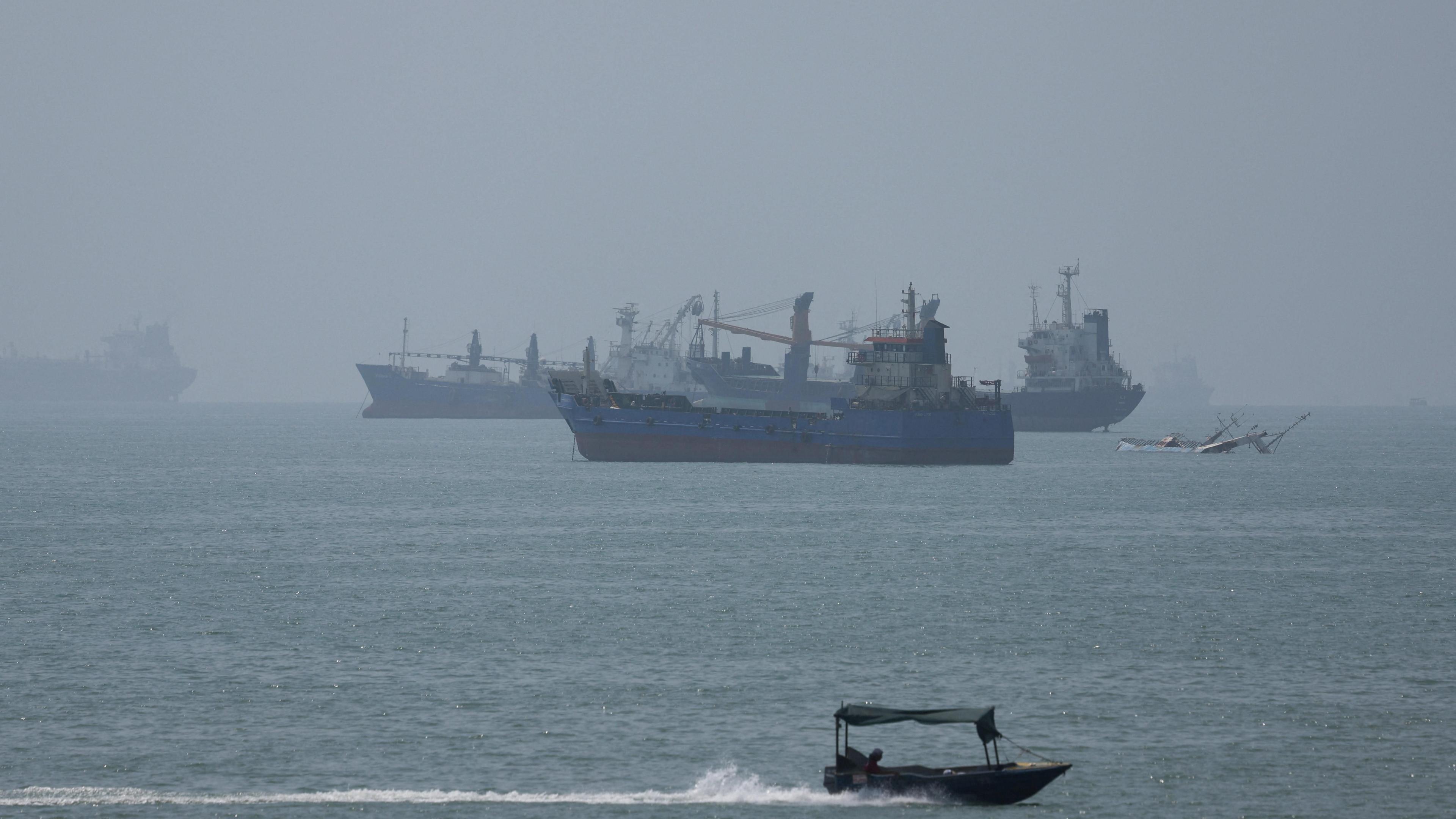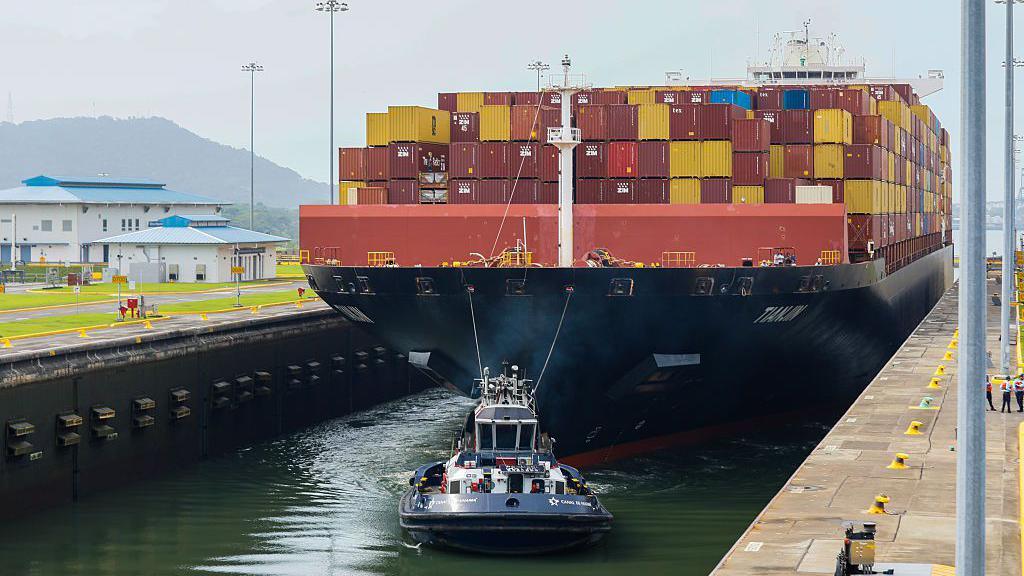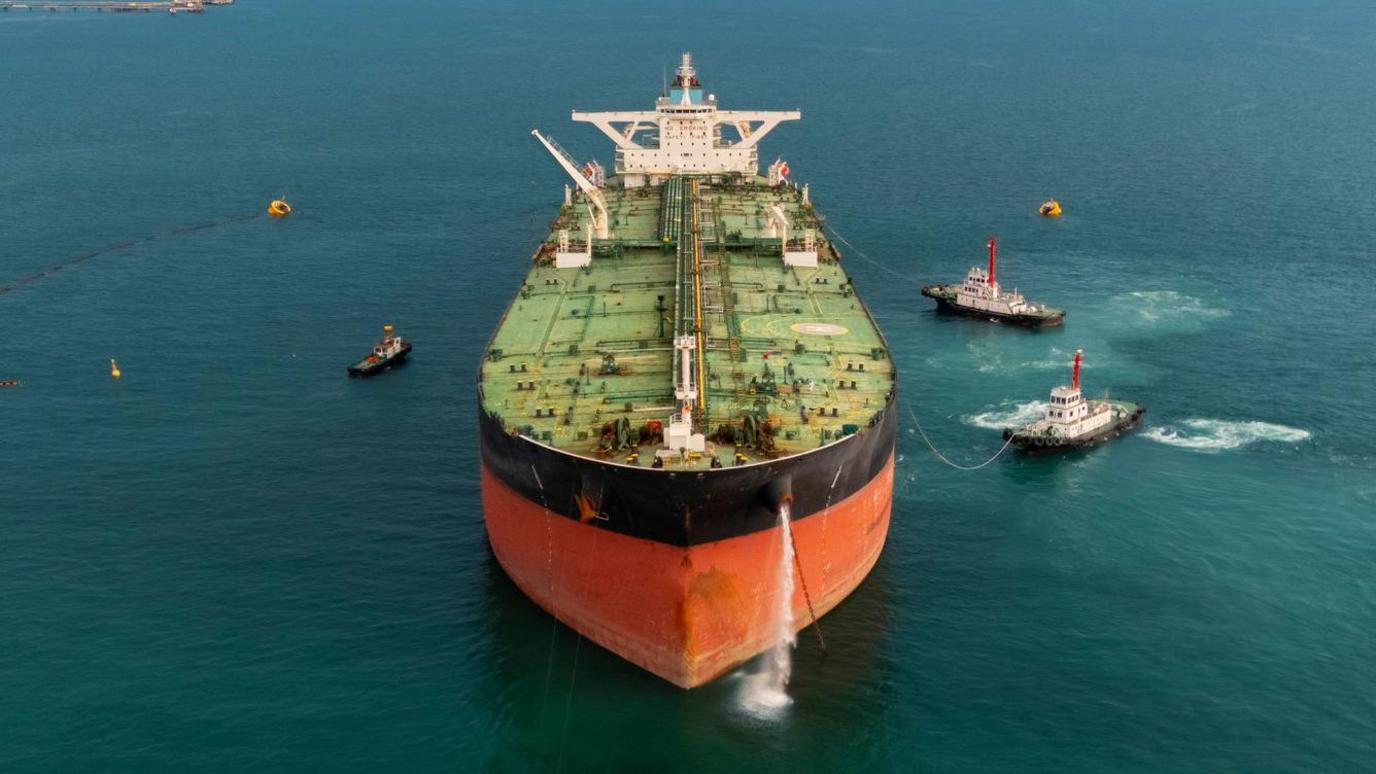
Oil tankers are facing an unprecedented threat in the Middle East, analysts warn. The level of danger is worst since the Iran‑Qatar war began, spurred by recent attacks across two major shipping routes.
Three key facts:
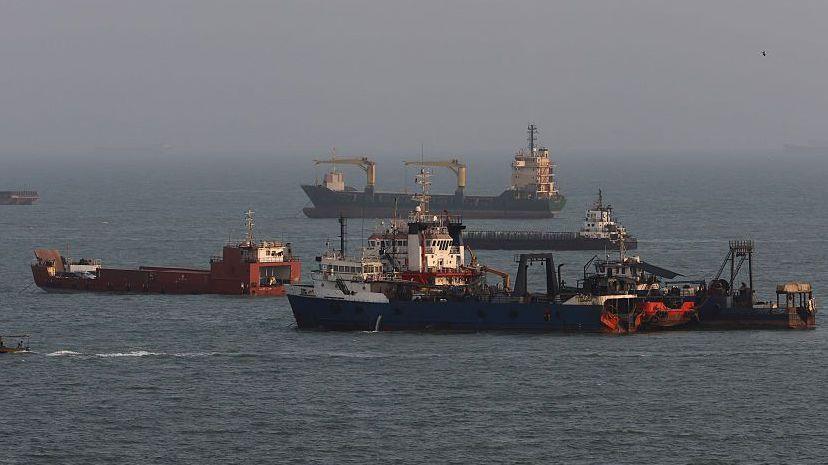
- Strait of Hormuz traffic dropped from over 100 ships a day before the war to just 8 on Sunday, and 11 the day before.
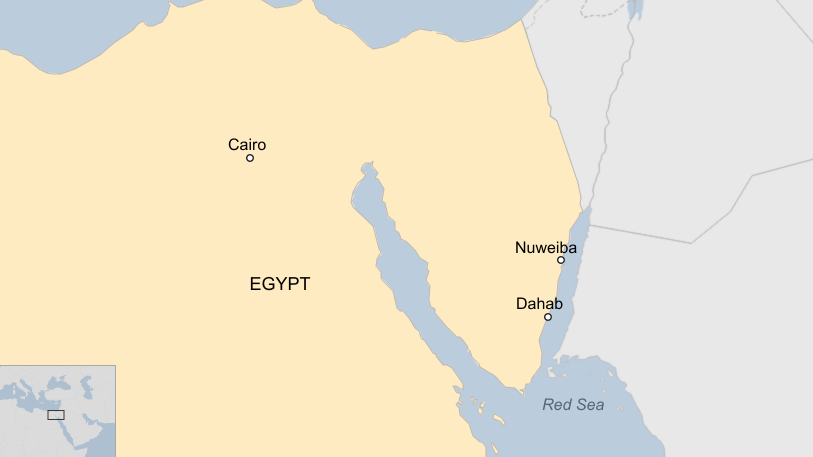
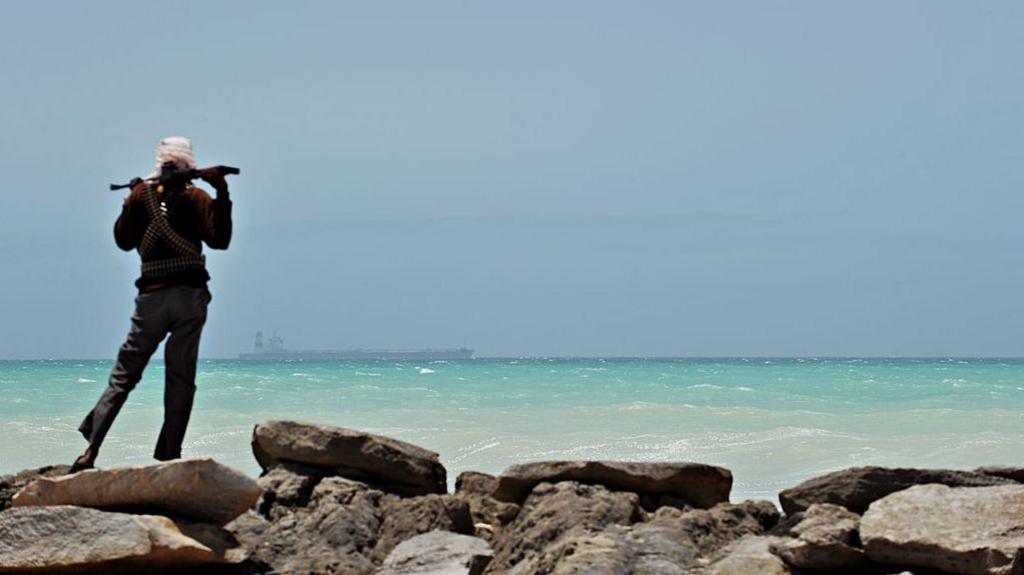
- Red Sea attacks by Yemen's Houthi militia hit Saudi tankers, forcing many vessels to “go dark” by deactivating their transponders to avoid detection.
- Global trade impact – 20% of worldwide oil and gas once traversed this choke point; disruptions are halving commodity vessels per day.
Ships have been rerouting through alternative passages, but the backs of the Red Sea now see less than five crude‑oil-ship crossings per day, the lowest since the war. Shipping giants like Hapag‑Lloyd say they will monitor the situation but may re‑route if risk rises further. Analysts predict a 3‑4 month period for normal traffic to resume once a new deal in the region is secure.
Negotiations with Oman are ongoing, but Iran insists any agreement must involve the United States to truly lift restrictions. Meanwhile, oil markets have felt the strain: Brent crude fell down 4.4% at $84.05 per barrel after trading earlier at $81.55, signalling a sharp drop from previous highs.
In short, the Gulf shipping corridor—once one of the world’s critical arteries—has become a tinderbox of geopolitical conflict, potentially reshaping the flow of global energy for months to come.