In brief
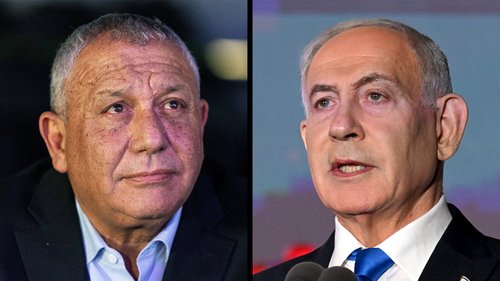
As both nations exchanged heavy fire, Israeli Prime Minister Netanyahu pledged to continue the offensive until Iran's nuclear capabilities are curtailed, while U.S. President Trump warned Iran of dire consequences. The world watches as leaders express concern over potential fallout and escalating conflicts in the region.
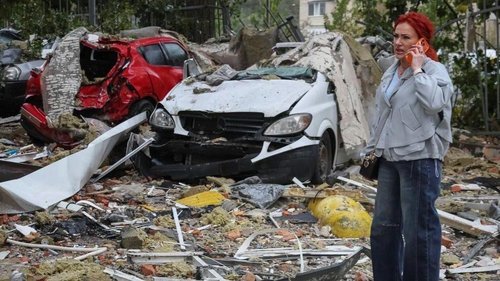
In the early hours of Saturday, June 14, dramatic escalation occurred in the Israel-Iran confrontation, shaking the Middle East. Israeli airstrikes targeted multiple locations in Iran, claiming high-level casualties among Iranian military leaders and scientists. In retaliation, Iran launched missiles toward Israeli cities, heightening fears of a broader conflict.Prime Minister Benjamin Netanyahu declared that Israel's military operations would persist as long as necessary to dismantle Iran's nuclear threats. U.S. President Trump echoed this sentiment, using social media to warn Iran about the repercussions if they do not come to the negotiating table. Global leaders like Britain's Prime Minister Keir Starmer and French President Emmanuel Macron cautioned against the potential for explosive consequences in a region already embroiled in conflict, pointing to existing tensions from Gaza, Lebanon, and other fronts. The current offensive has significantly jeopardized diplomatic efforts previously considered by the U.S. to curb Iran's nuclear actions. With visuals of destruction emerging from Tehran, the likelihood of a constructive dialogue seems increasingly remote as tensions spiral.