Countries Demand Apology and Reparations for Transatlantic Slavery
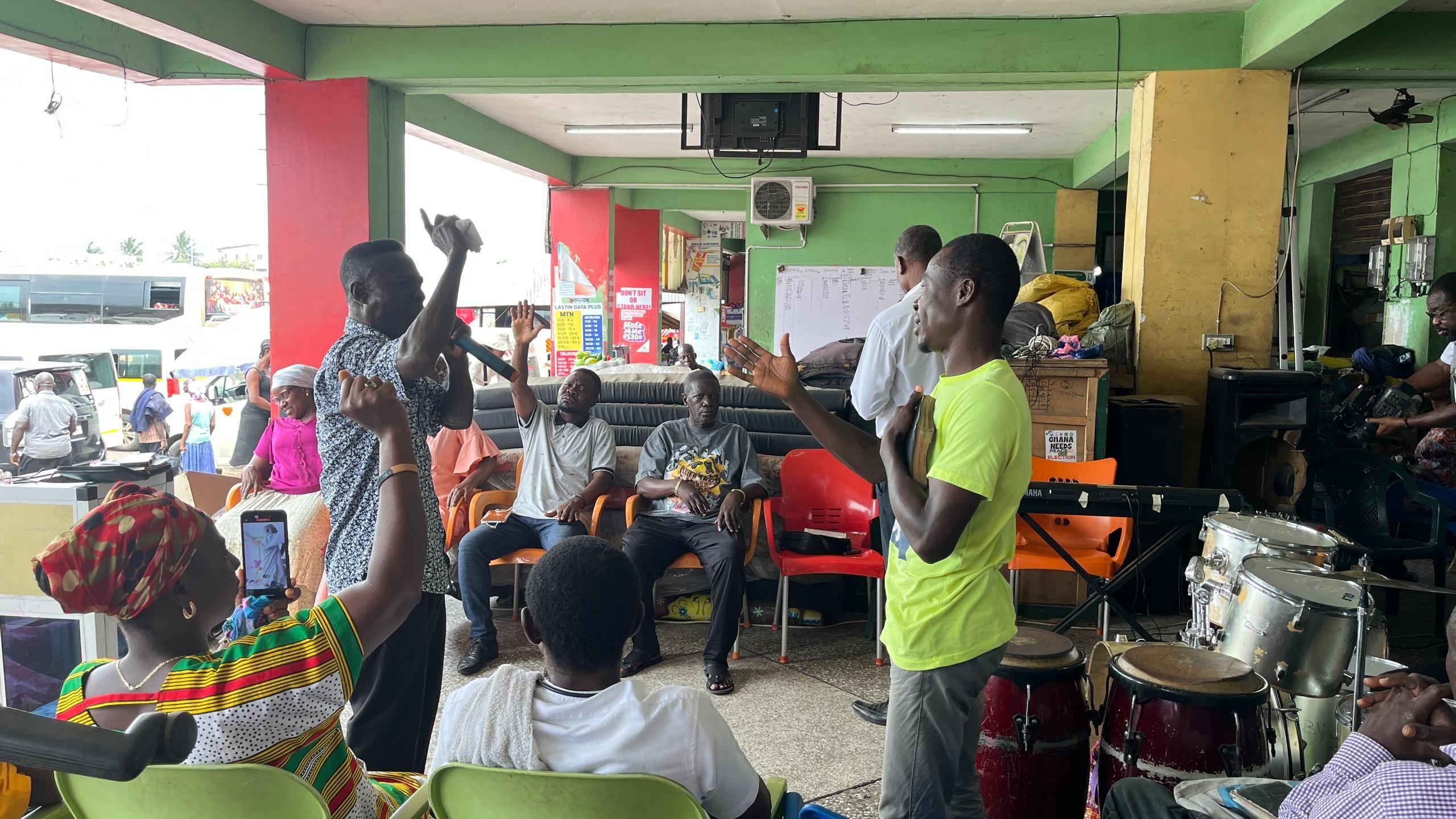
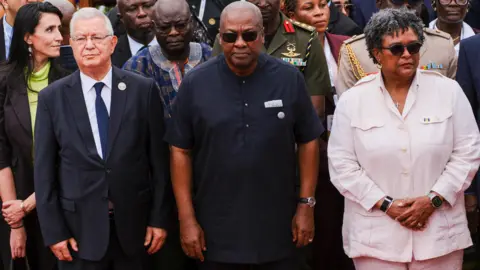
In a high‑profile conference in Accra, Ghana, African and Caribbean leaders pressed for a formal apology and reparations from those who benefited from the trans‑Atlantic slave trade—an initiative that follows a UN General Assembly vote confirming the history of enslaved Africans as a “gravest crime against humanity.”
Key points from the conference:
- A 19‑point reparations plan that calls for debt forgiveness, restitution of cultural artefacts and a global reparations fund.
- A demand for “full, formal and unconditional apologies” from former colonial powers.
- Stance from Ghana’s President John Dramani Mahama: “History does not ask us to inherit guilt, but it asks us to inherit responsibility.”
- French President Emmanuel Macron’s note acknowledging the dehumanisation of enslaved people.
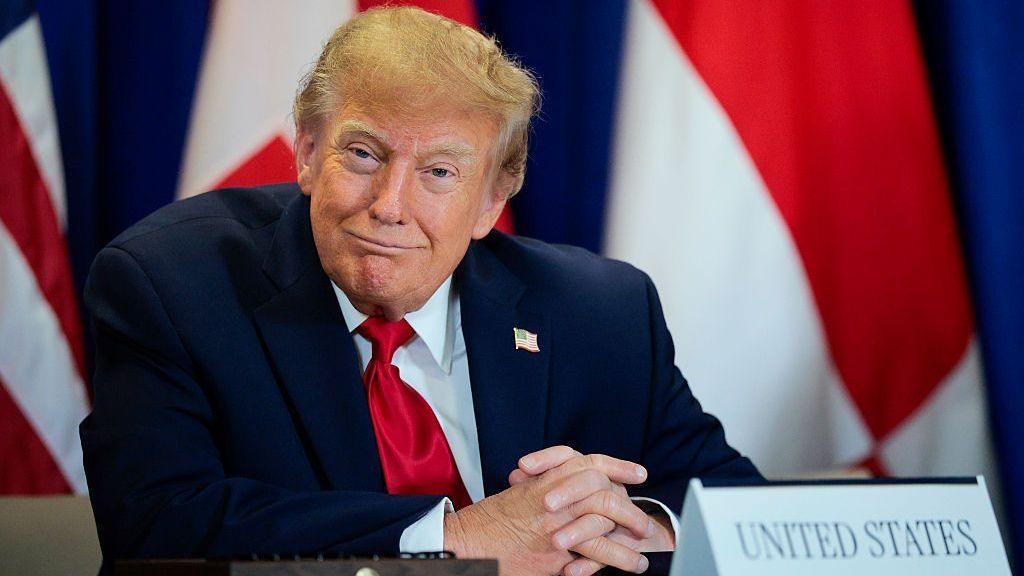
Yet, many Western nations remain reluctant: The UK and the U.S. argue there is no legal basis for reparations and rebuke the UN resolution as vague in identifying beneficiaries. No country has ever paid reparations directly to descendants of enslaved Africans, with past compensation directed to slave owners instead.
Visual recap:
The debate shows how history, politics and the concept of justice intersect—setting the stage for a potential new global fund that could reshape the legacy of the slave trade.