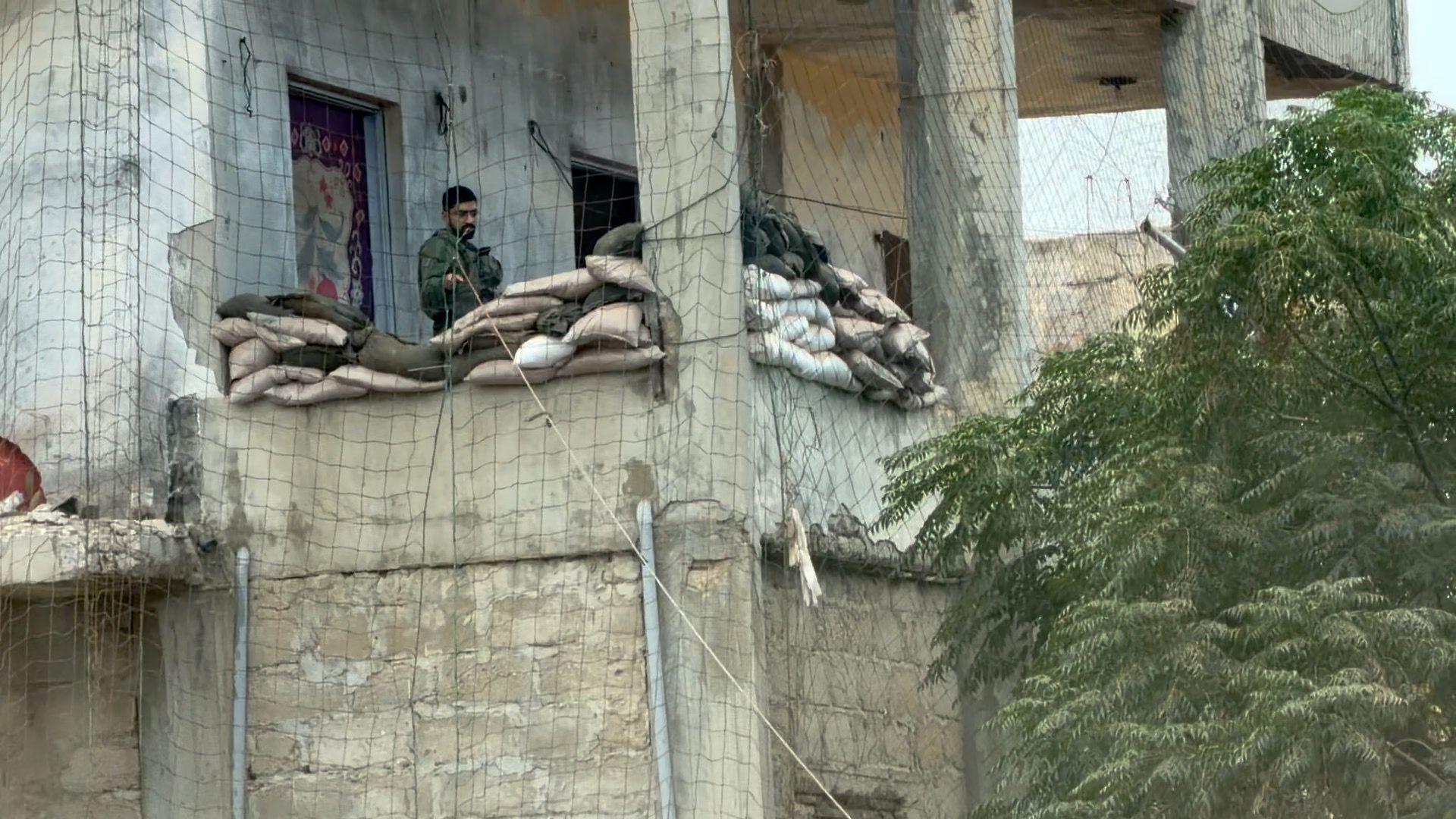
In a dramatic turn, Saudi Arabia and the United States have launched joint air strikes against Iranian‑backed militias in Iraq. This comes after a flare‑up that saw Iran fire missiles at US forces in the region, escalating tensions and prompting a coordinated military response.
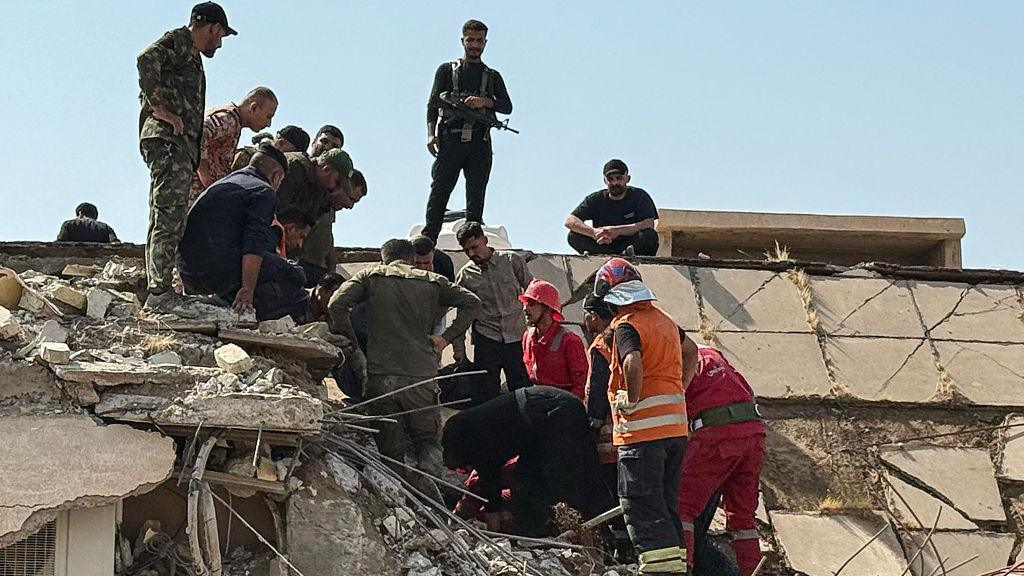
Key Facts
- US Central Command targeted “Iran-aligned terrorists” over 30 IRGC‑directed aerial drone attacks in the last 72 hours.
- Saudi forces responded to drone attacks on oil facilities in the Eastern and Riyadh regions.
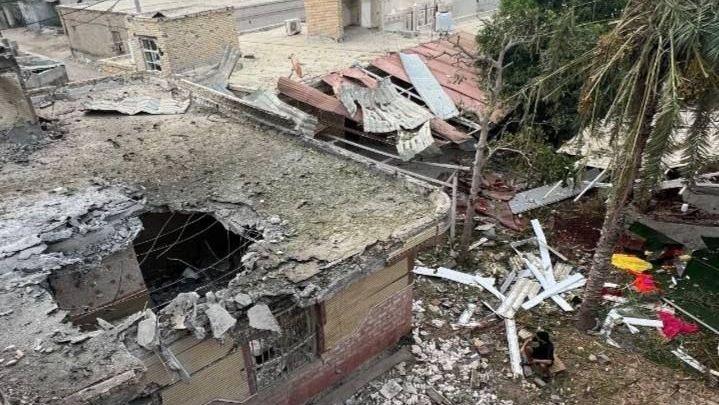
- Iraq’s popular mobilisation forces (PMF) reported at least 20 fighters killed and 32 wounded by the joint strikes.
- Iran claims the missiles were a response to “acts of aggression” by the US, particularly against Jordanian air bases.
- US President Donald Trump declared that the attacks were coordinated with the Iraqi government and would “be hit hard”.
Why It Matters
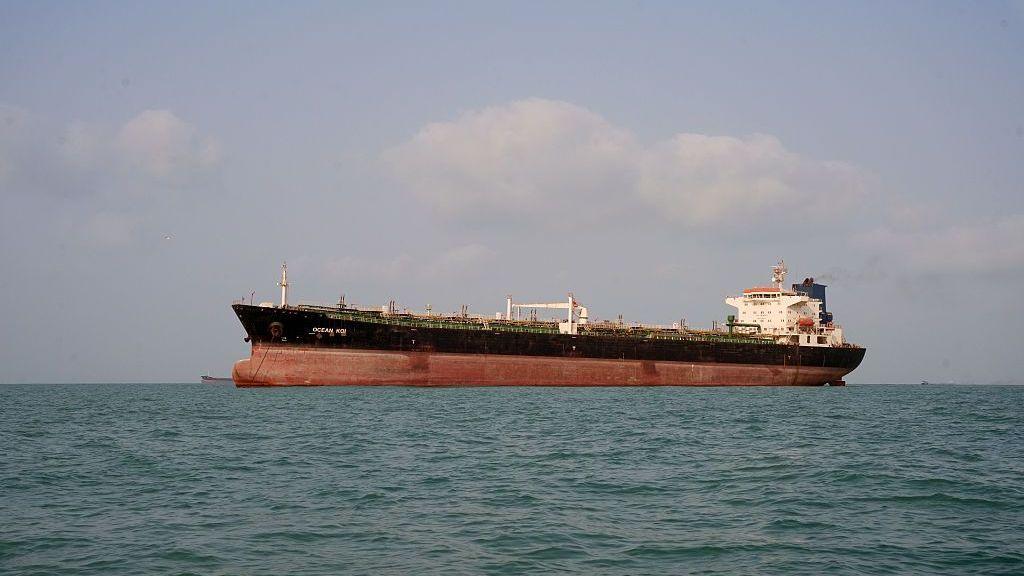
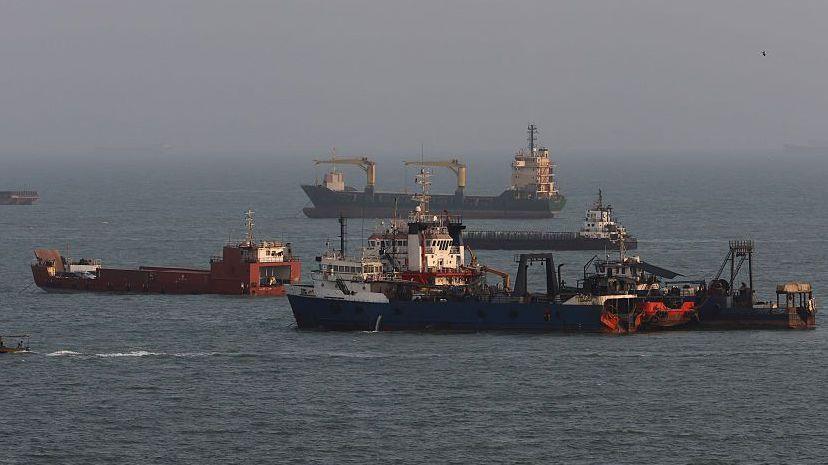
The conflict reflects a long‑standing rivalry between Saudi Arabia, a Sunni‑dominant monarchy, and Iran, the largest Shia nation. Although diplomatic ties were restored in 2023, repeated attacks on Saudi territory and US military installations have reignited hostilities. The escalation risks spilling over into other hotspots such as Yemen, Syria and Lebanon, while also threatening global energy supplies through the Strait of Hormuz.
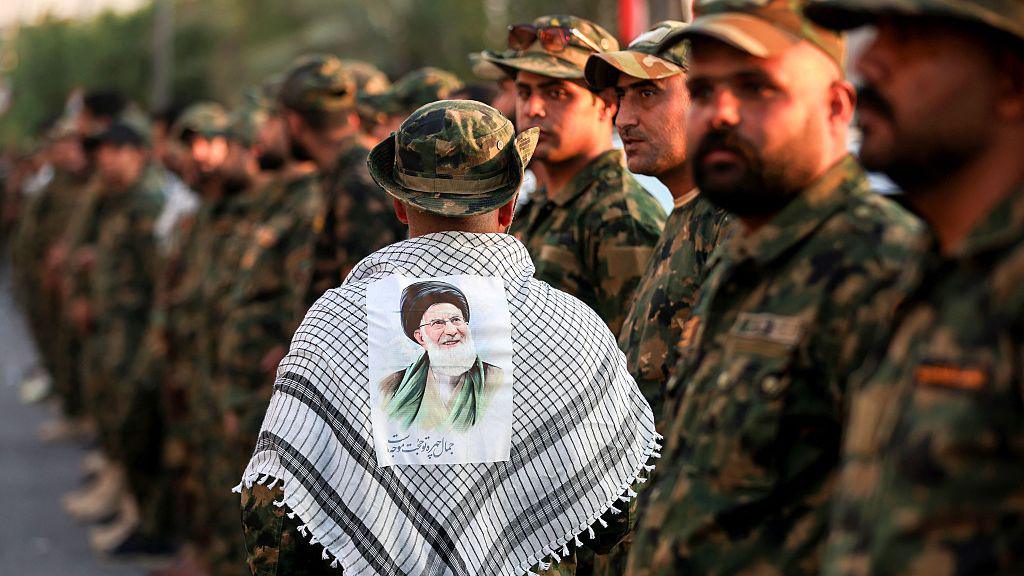
Global Impact
Energy markets reacted strongly; Brent crude rose 5% as traders feared disruptions in the critical Gulf passage. The United Nations and several Middle East governments urged restraint, while Iran’s foreign ministry condemned the strikes as a “gross violation” of international law. Analysts warn that further escalations could lead to wider regional conflict and destabilize international trade routes.
Stay tuned for more updates as the situation evolves.