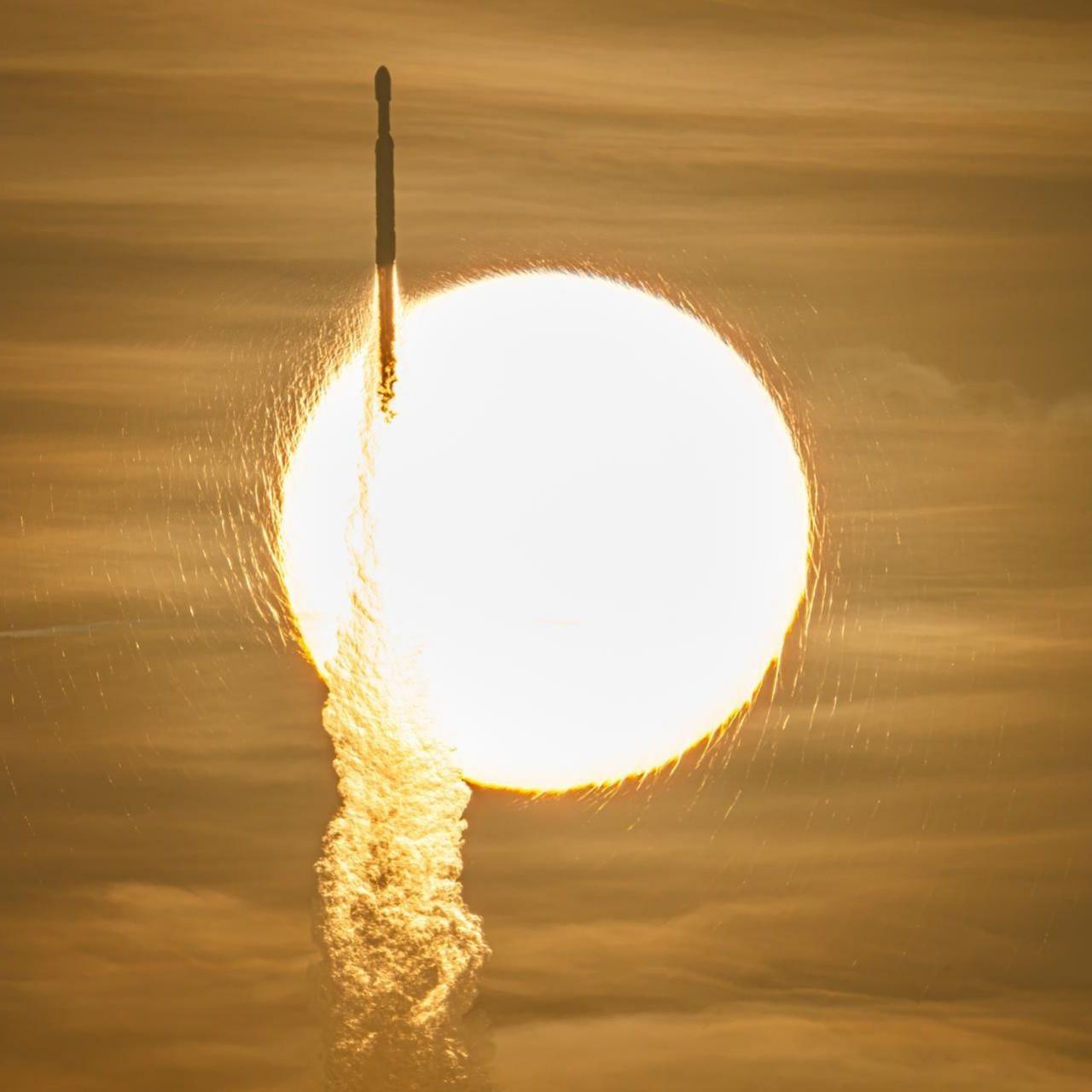
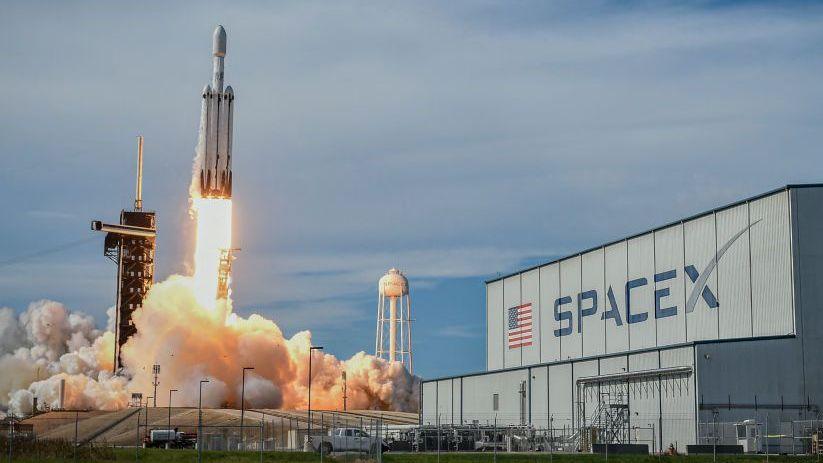
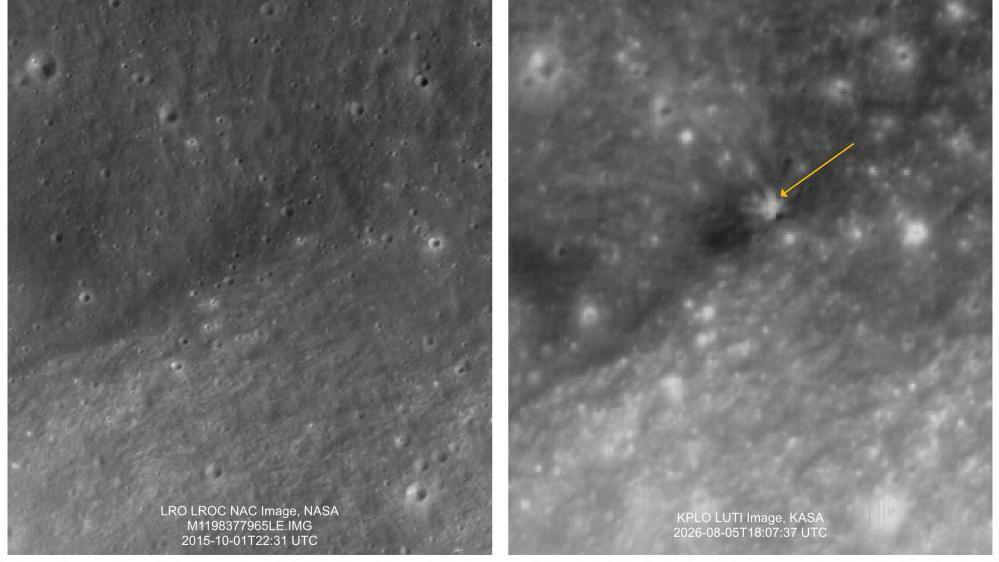
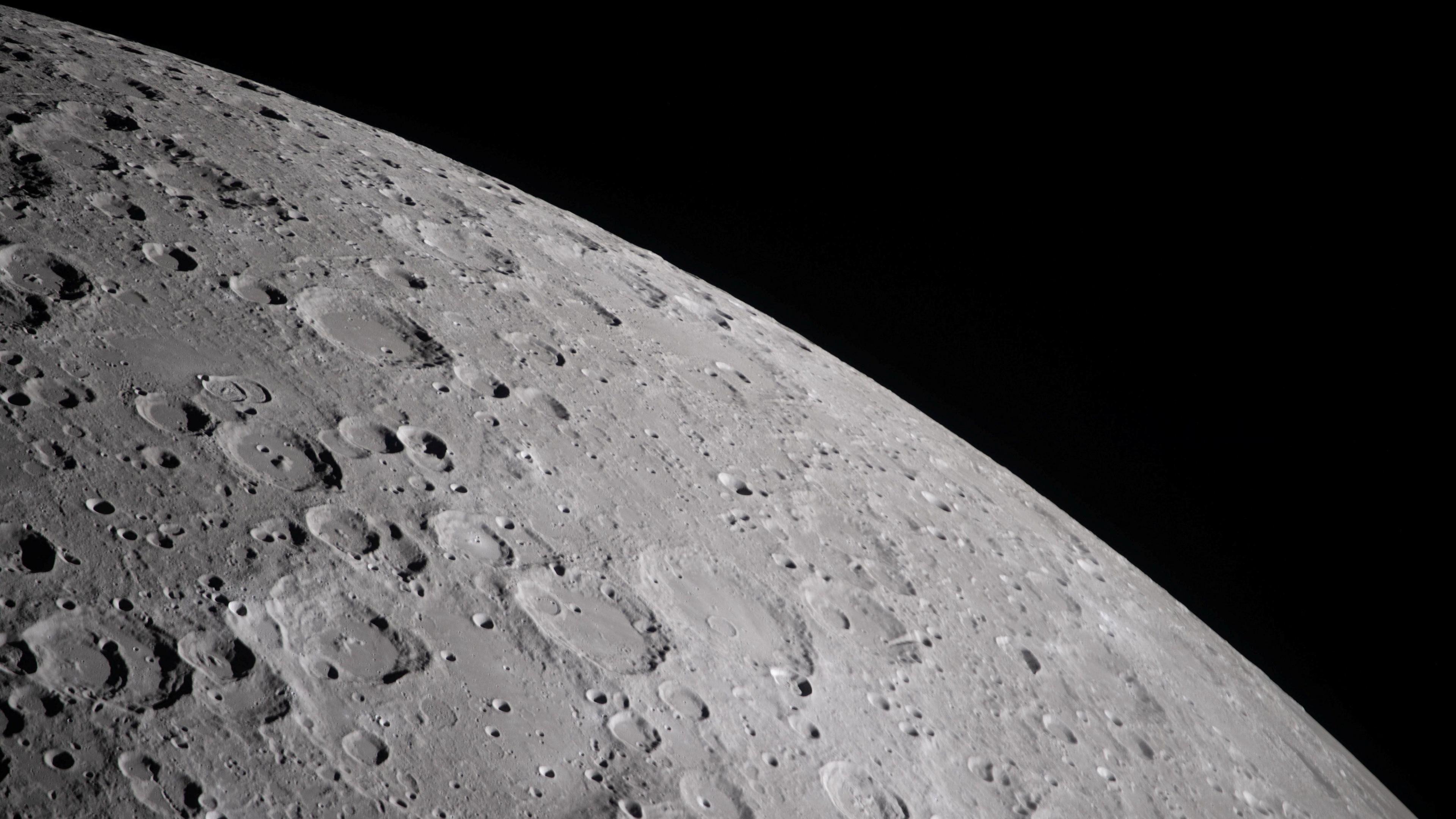
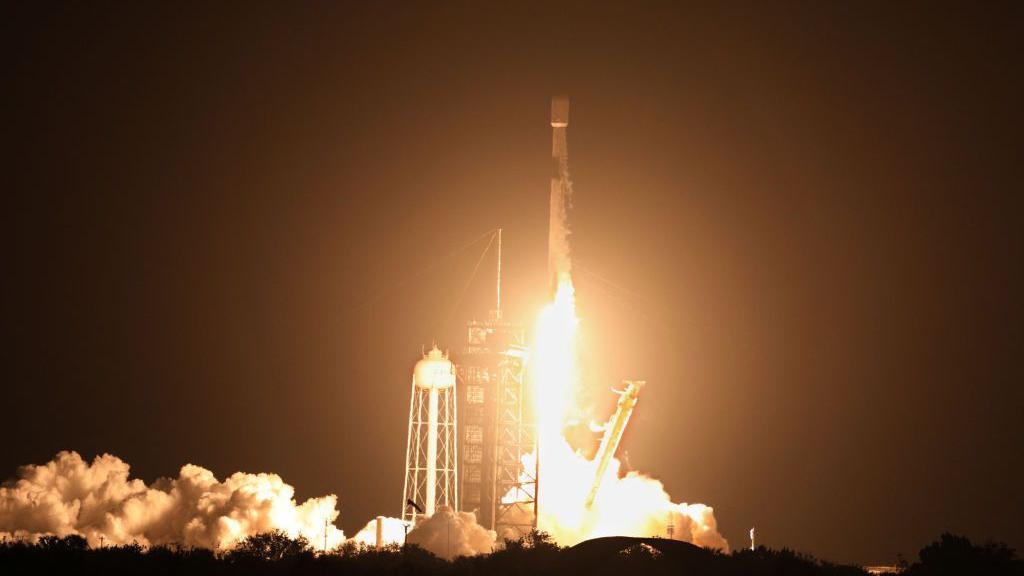
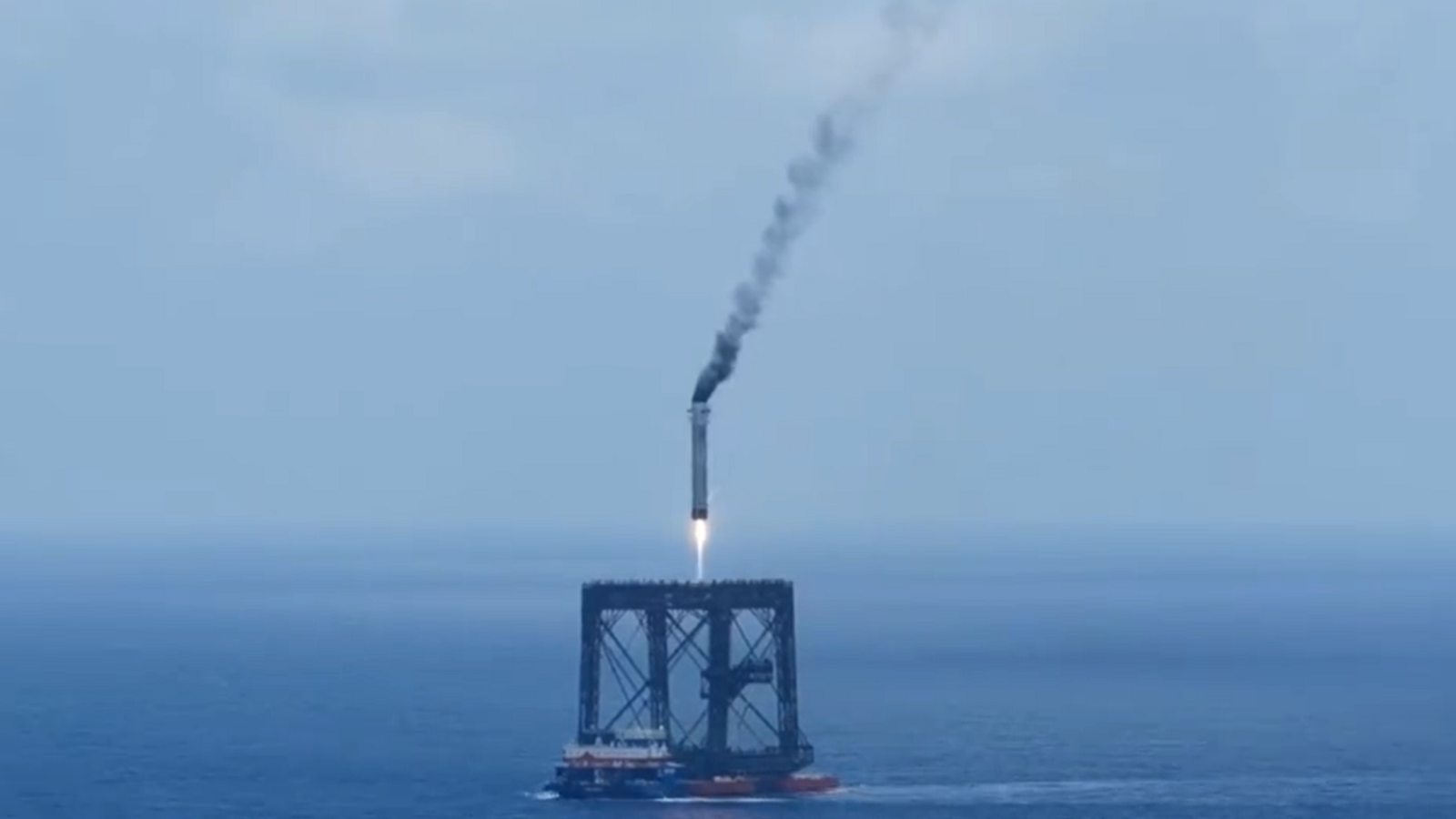
Big news for Moon‑hoppers: a leftover piece of a SpaceX Falcon 9 rocket smashed into the lunar surface today, creating a brand‑new crater near the famous Einstein landmark. The upper stage, about the size of a five‑story building and weighing more than 4,000 kg, was propelled past the Moon by Earth’s gravity on a looping orbit. It finally hit the Moon at roughly 5,400 mph (8,700 km/h) after weeks of acceleration.
The impact flashed for a fraction of a second – far too dim for most telescopes – but the debris plume stretched 100 km and could be detected by the Lunar Reconnaissance Orbiter (LRO). According to SpaceX, the small camera on the lunar orbiter in South Korea almost missed the moment, but data will be released once scientists finish analysis.
Why is this cool? In the first two decades of the Space Age, dozens of spacecraft have crashed onto the Moon, from Luna 2 in 1959 to China’s 2014 booster that hit in 2022. Now, we have a track‑recorded, controlled impact with exact size, speed and landing spot – essentially a lab experiment in deep space. Planetary geologists can test impact‑crater models, measure how much rock gets blasted onto the surface, and figure out how vibrations travel through the Moon.
These findings matter for future missions: knowing how far debris spreads helps design safer landers and Moon bases. Scientists will compare pre‑impact and post‑impact images from LRO and other telescopes to quantify dust, assess the new crater’s depth, and evaluate rock composition.
So, although it was an accident, this collision could be the most useful one for science in decades – a way to see the Moon’s interior workings in real time.
Related links: See here for the earlier accidental impact story