In brief
Spokane’s summer fires changed the city overnight, forcing about 65,000 residents to flee and demolishing almost 900 homes. Local families remember a second evacuation that ended in devastation, while no deaths have been reported. Fire crews battle three large blazes that remain less than 40% contained. Some suspect intentional arson, heightening anger among survivors. Residents urge caution and preparedness for future emergencies.
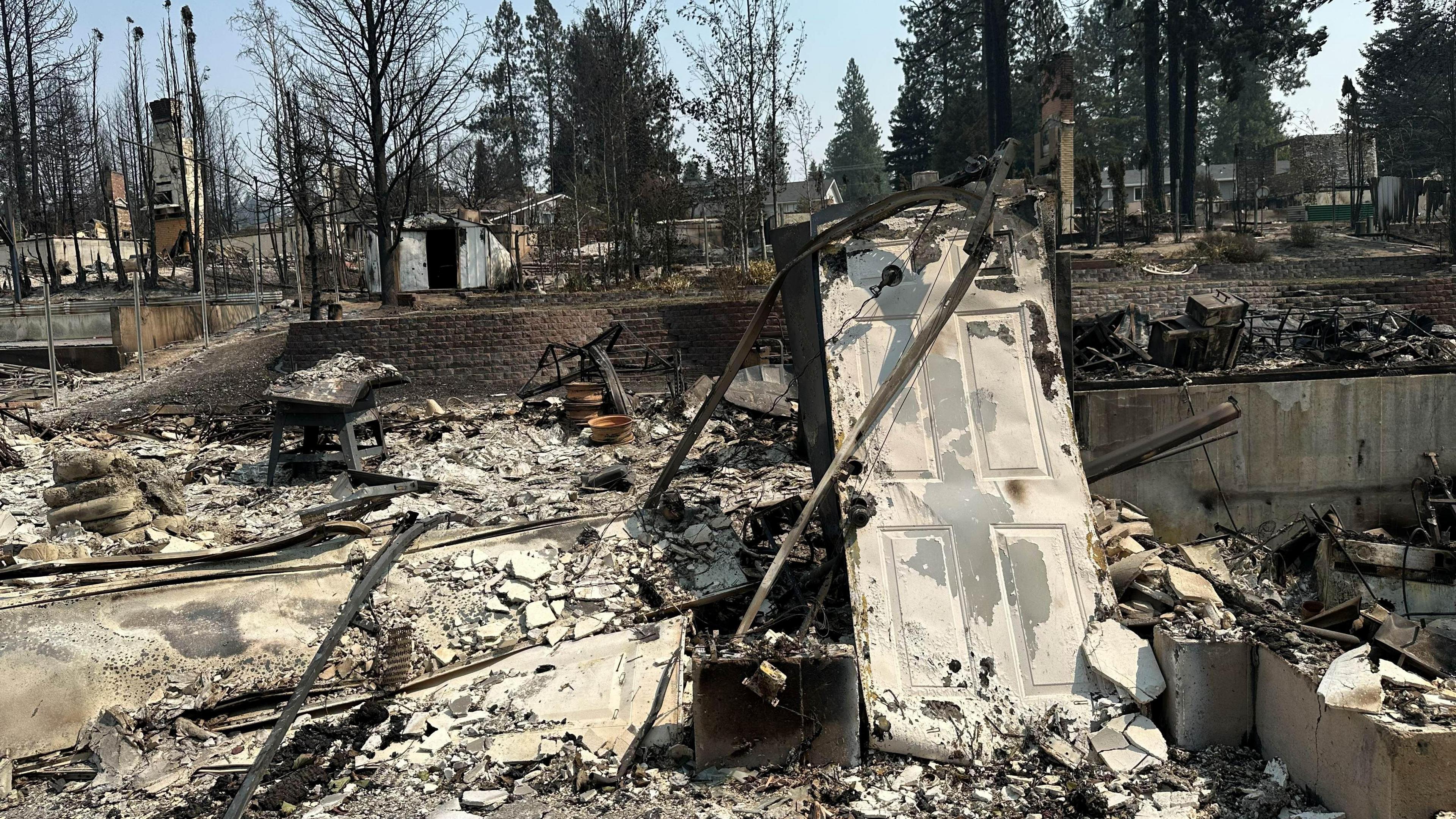
One family in Spokane, Washington lost their home in a blaze that spread faster than the usual summer brushfires. The Matthews, a family of five, were forced to evacuate twice in July after a shadow of smoke and heat moved across their neighborhood. Though they expected to return home before the smoke cleared, the houses that sat where they had nightly dinners were reduced to smoldering ruins.
The wildfire has stretched to an area so vast it covers the river that usually shields the city, shattering safety boundaries for the first time in recent memory. Kira Townsend, 39, described the flames crossing the river “like it wasn’t even there” before roving up the hill in a blink. The flames forced nearly a quarter of Spokane’s population—65,000 people—to move out, while those who were spared still face an uncertain waiting period before they can return to their neighbors.
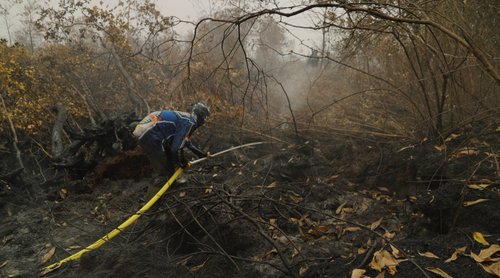
Firefighters are fighting three large blazes that remain under 40% contained. Yet officials are also beginning recovery work as residents mourn the loss of their homes and property. City Councilman Zack Zappone expressed frustration over the dual front of fighting the blaze and starting community recovery, noting how the tension may persist for months.
Police are pursuing a suspect believed to have intentionally lit the fire on a dry, windy day to maximize damage. Aaron Farinacci, 37, faces a mental competency assessment and has not entered a plea yet. The investigation revealed his selection of the perfect conditions for a blaze that could destroy thousands of nearby homes.
The flames caused no deaths or major injuries so far, but the devastation is extensive: reports say roughly 900 structures were destroyed across the city. Residents are calling for vigilance—mowing a lawn or using sparks that can ignite can no longer be considered benign habits in the wildfire-heavy summer heat.
As the community recovers, families are urged to prepare for a worst-case scenario. Chris Matthews, a local resident who lost his home, stresses the importance of early preparation and underscores that the experience was close to lifecycle for future residents. Special attention is given to the steps of catching in electrical outages, a sprinkler system, or a battery powered generator that can ease the risk of fuel for the flames.