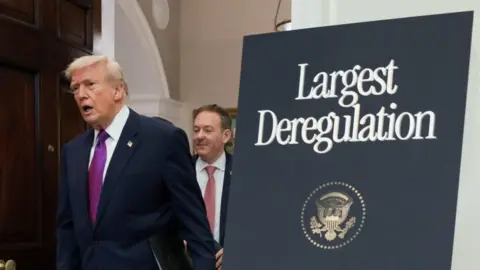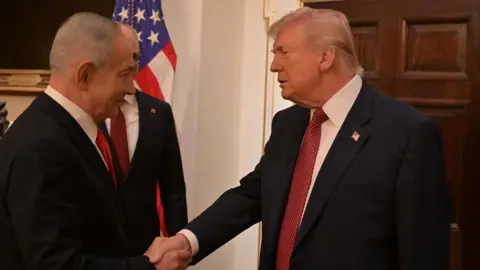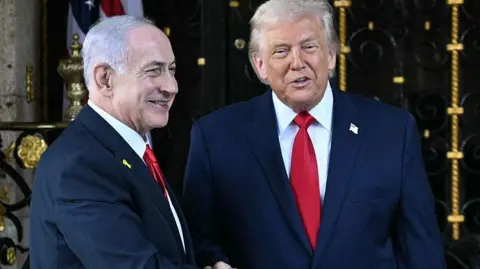
Tensions are high as the U.S. prepares for a pivotal second round of nuclear talks with Iran in Rome. President Donald Trump reminds Tehran of its precarious choices: negotiate a deal or face war. Trump has downplayed an Israeli military option but insists on giving diplomacy a chance, emphasizing Iran's potential for peace and prosperity.
The backdrop includes Trump's 2018 withdrawal from the previous nuclear agreement, which Iran claims led to its current nuclear advances. As both sides describe prior talks as constructive, the path forward remains unclear, especially as Trump’s envoy sets strict conditions for any future deal.
Iran maintains its stance on enrichment, rejecting U.S. demands for further limitations while engaging in a flurry of diplomatic efforts, including meetings with Saudi Arabia and Russia. Despite the tension, Iran’s Supreme Leader Ayatollah Khamenei admits to mixed feelings about the negotiations, suggesting a cautious approach among his advisers about potential U.S. aggression.
The stakes are high, and with economic discontent growing at home, Iran’s leadership is acutely aware of the potential for unrest as they navigate these critical discussions. Both nations must balance their approaches as they pursue a path towards either reconciliation or conflict.