US‑Iran Deal: One Peace? Lebanon Still in Jeopardy
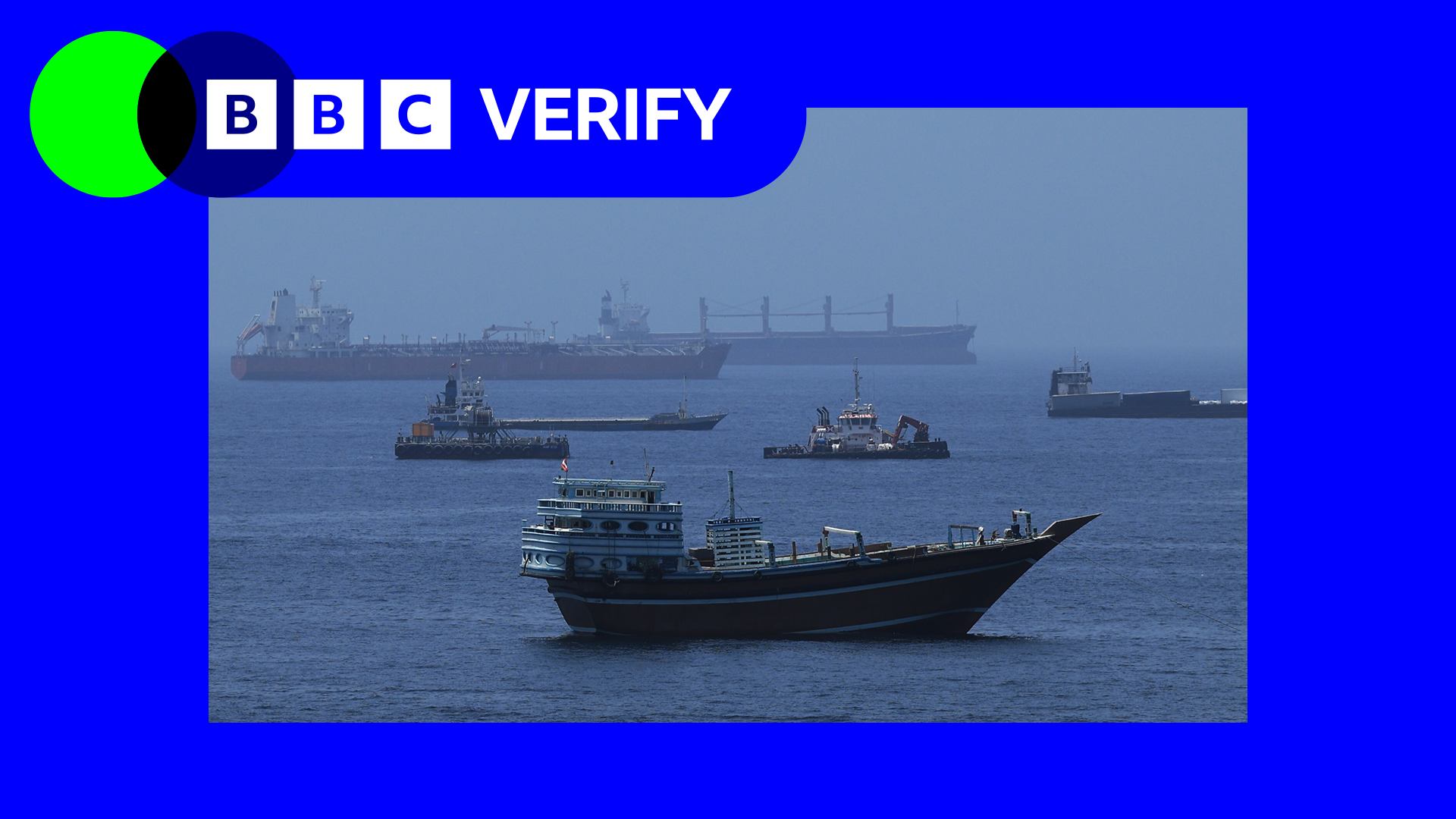
After months of stalled negotiations, the United States and Iran formally signed a Memorandum of Understanding that could finally ease regional tensions. The agreement paves the way for lifting long‑standing sanctions on the Strait of Hormuz and ending the naval blockade of Iranian ports.
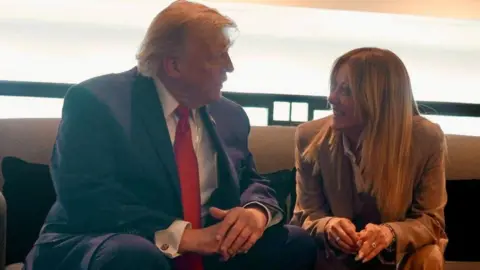
Both sides publicly celebrated the deal, with U.S. President Donald Trump declaring it a “great” move that will bring peace to the region. Iran’s deputy foreign minister, Kazem Gharibabadi, hailed the signing as a triumph of the nation’s military achievements.
However, the real test lies in Lebanon. Pakistani Prime Minister Shehbaz Sharif said the deal also calls for permanent termination of military actions on all fronts, including in Lebanon. Yet Israeli Prime Minister Benjamin Netanyahu appears hesitant to end the offensive against Hezbollah.
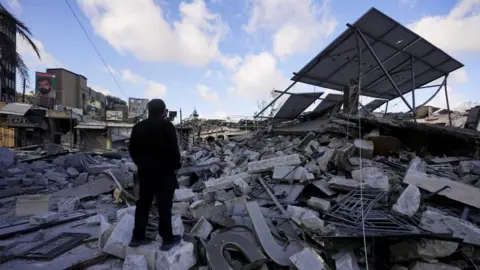
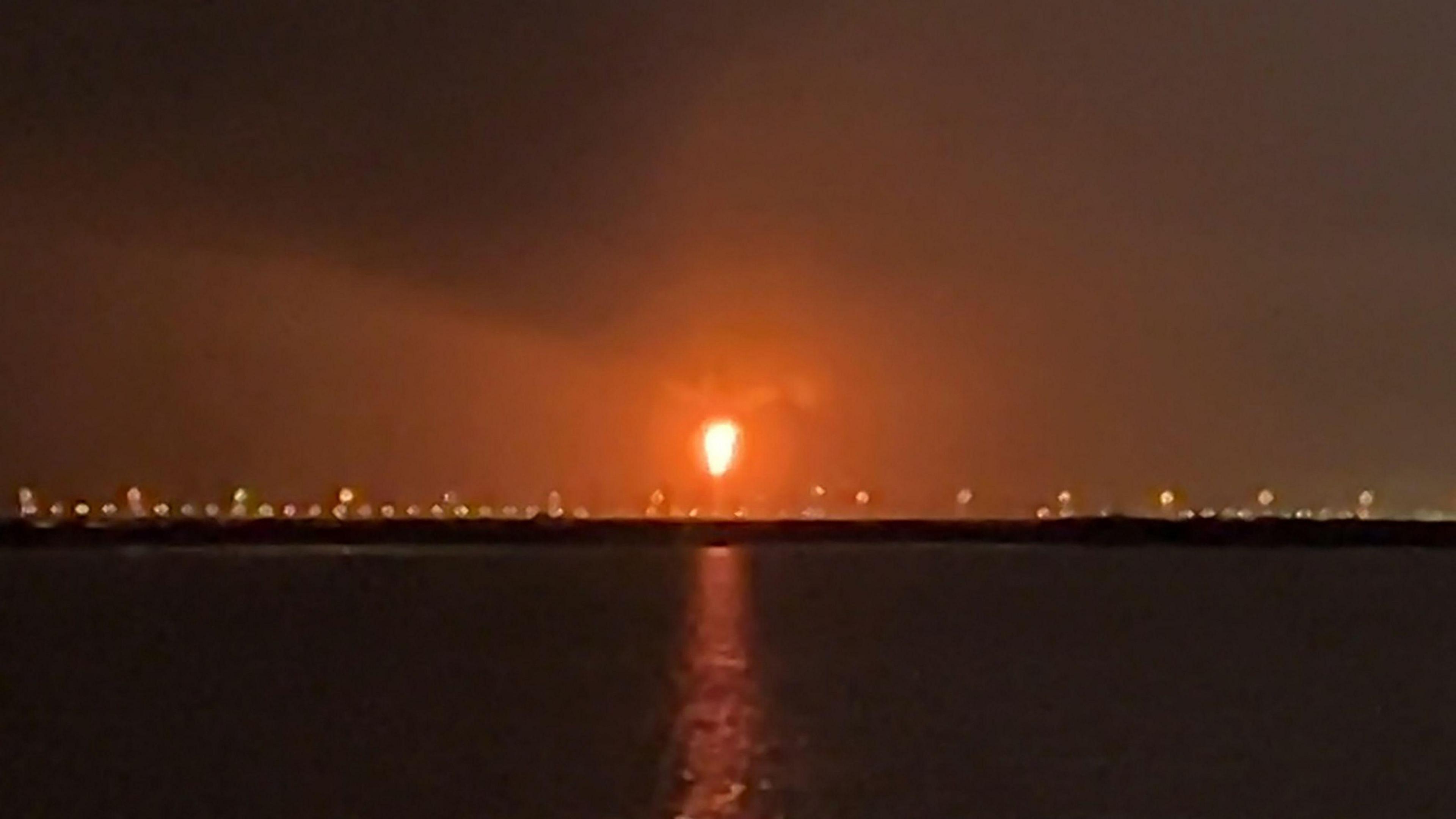
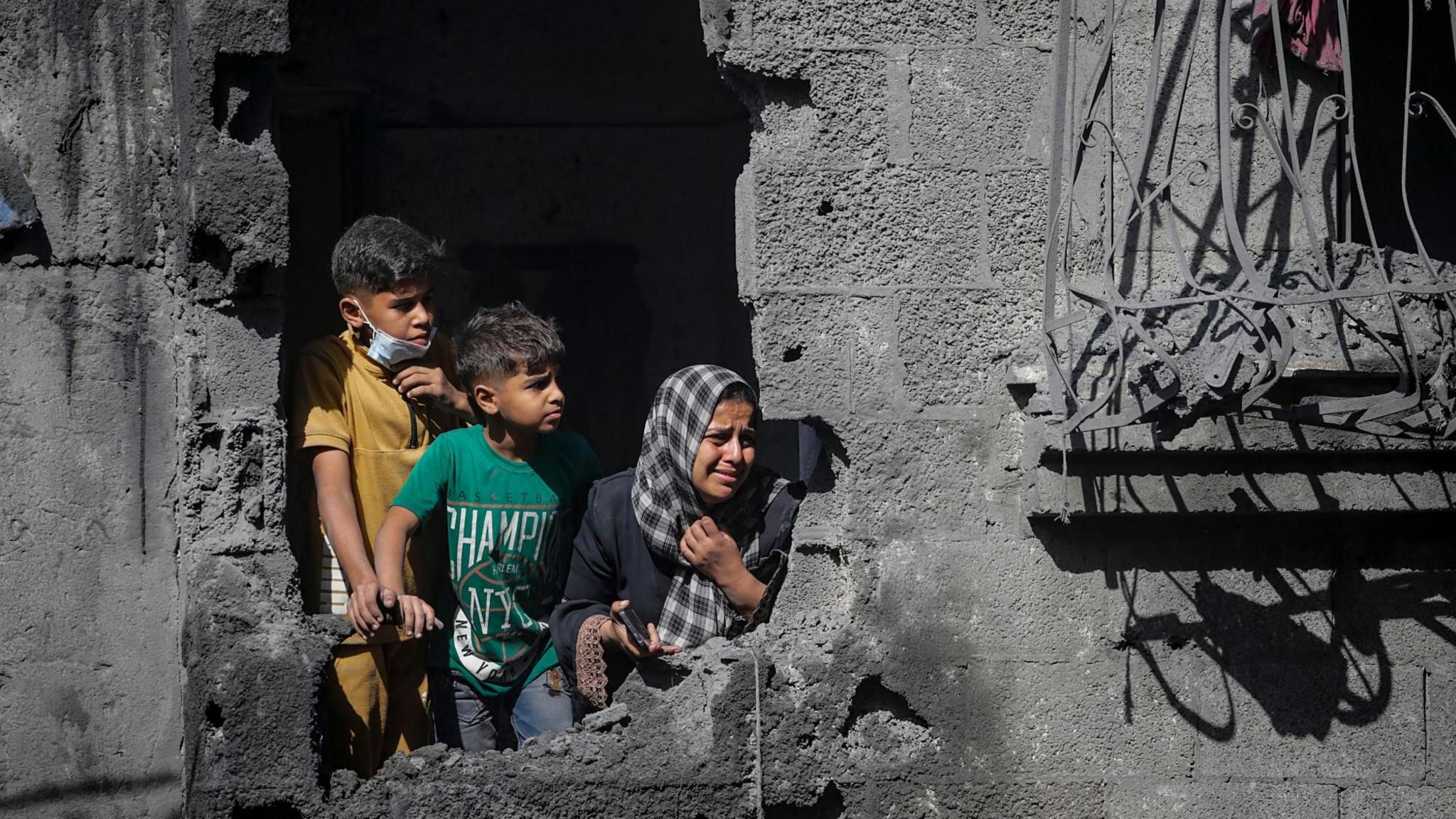
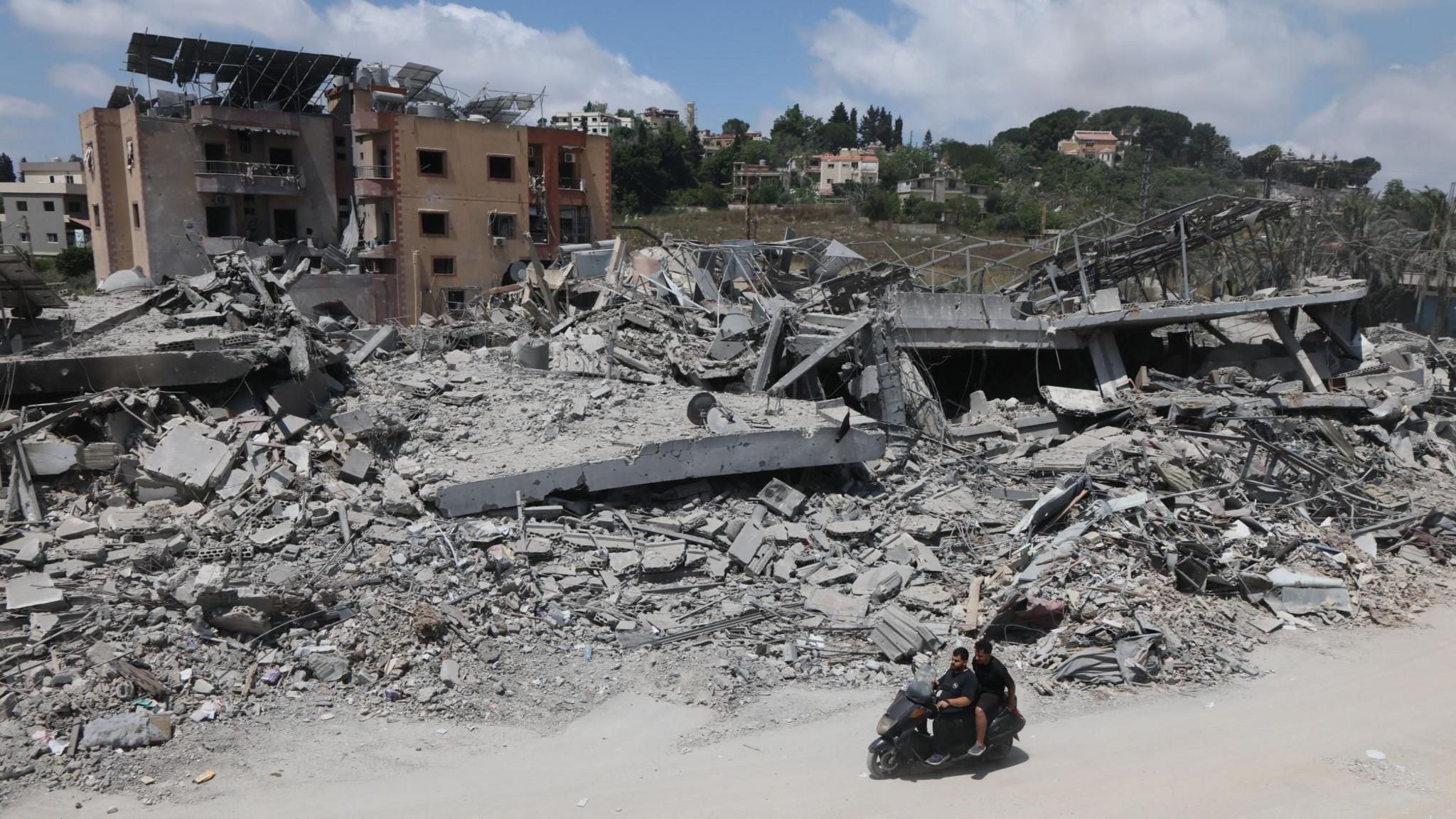
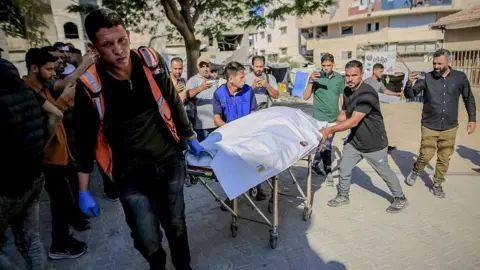
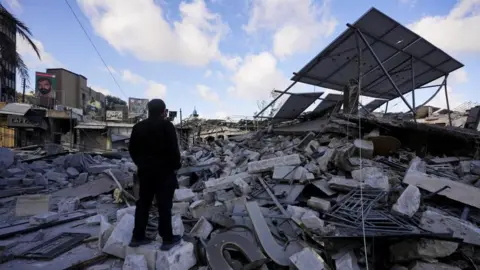
Two recent strikes on Beirut’s southern suburbs by Israel in response to Hezbollah rockets could derail the peace plan, and Iran narrowly backed away from retaliating to keep the deal intact. The situation remains tangled, making it unclear whether the agreement will provide lasting respite for Lebanon’s uneasy ceasefire.
Beyond conflict, the deal could ease pressure on the global economy by reopening critical shipping lanes and lifting restrictions that have impacted Iranian trade. Conversely, the agreement’s guarantees over Iran’s nuclear program are still vague, leaving U.S. and Israeli concerns about future nuclear development unanswered.
With the signing ceremony scheduled for the coming days, and many diplomatic twists still pending, the world watches closely to see how the deal’s promises translate into real security on the ground.