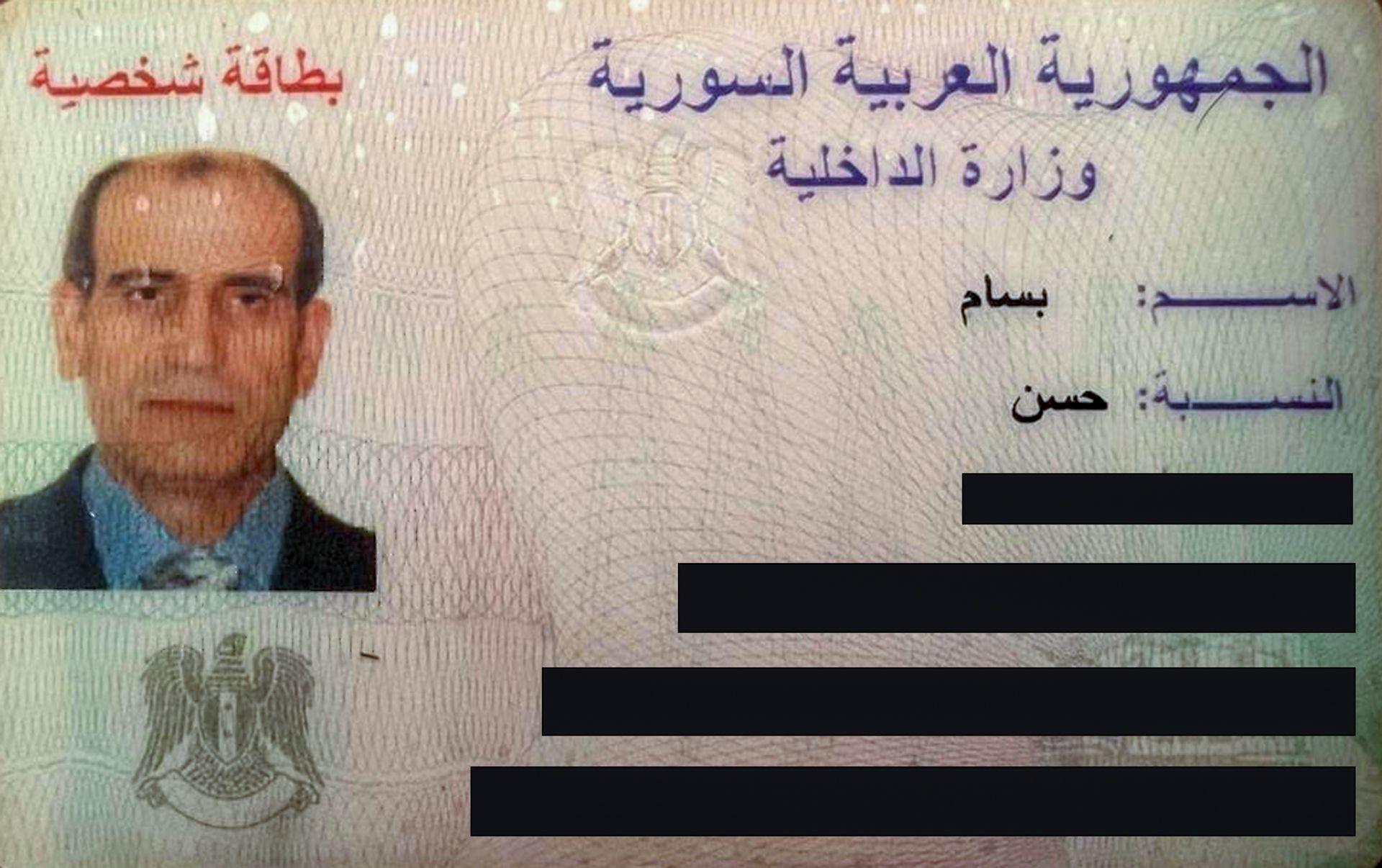
In a cloak‑and‑dagger move, the United States and Lebanese authorities have reportedly been hiding a former Syrian general who oversaw the country’s chemical weapons program. The man, named Bassam al‑Hassan, is wanted by international courts for crimes against humanity.
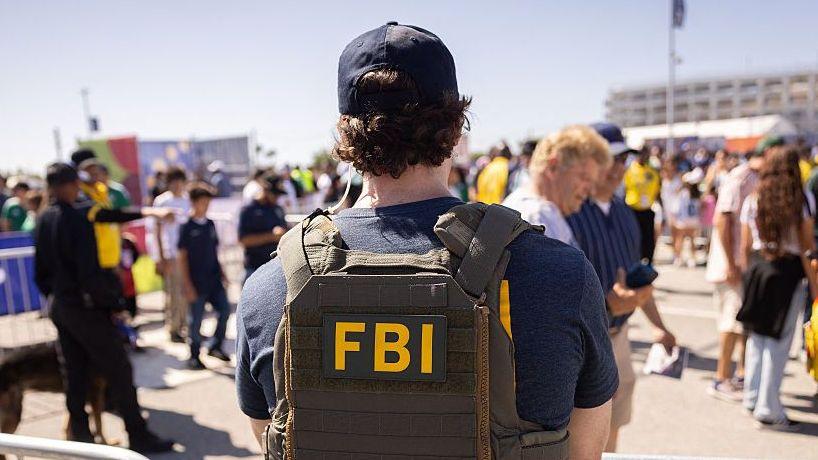
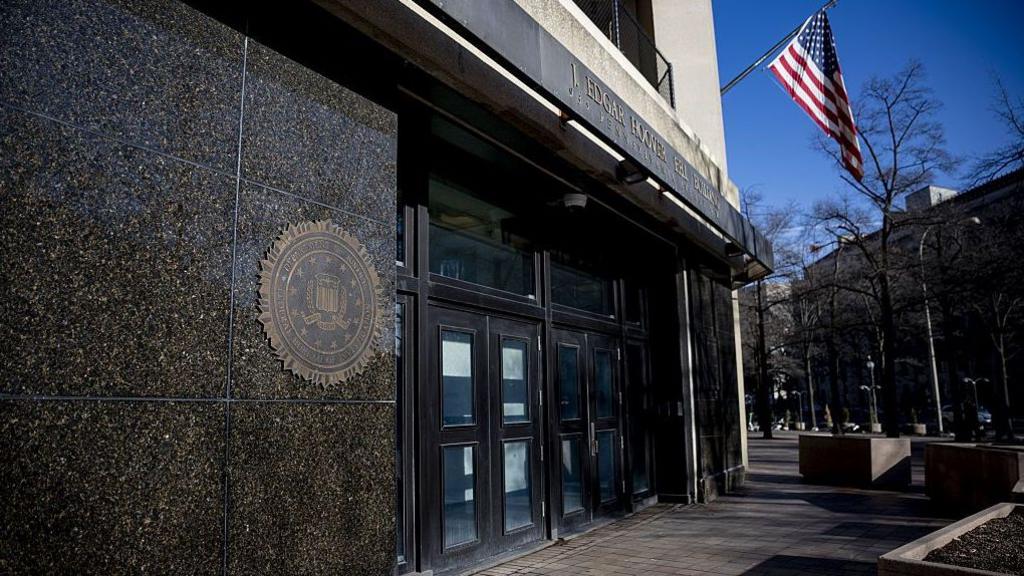
The deal came to light after the Assad regime fell in 2024. Sources say the U.S. Federal Bureau of Investigation and the CIA agreed to keep him in Lebanon in return for insider intel on the disappearance of American journalist Austin Tice in 2012. The general’s knowledge about Syria’s chemical arsenal and ties to Iranian defence policy allegedly made him a high‑value asset.
Thai‑style security arrangements, according to whistle‑blowers, grant al‑Hassan 'housing, money via an intermediary and visa protection.' His U.S. sanctions list status made the approval of any public coverage difficult, but the whistle‑blowers claim the money flows through shell companies to harden secrecy.
Washington officials have insisted their priority is locating Tice’s body, but critics argue that a human rights collective has been trading wartime justice for a 'living‑witness.' Syrian officials plea for his extradition, yet Lebanese security say 'no jurisdiction.' The U.S. continues to press the deal, claiming it serves national security and investigative priorities.
The case demonstrates how modern espionage can sidestep international law when powerful actors feel the pull of the wind‑up of secrets and safety nets. For younger audiences, the story poses tough questions: Are we protecting the right people for the right reasons? And can the world balance the cost of secrets against the cost of justice?