
A hidden crisis in the forest
In the remote hills of Balaghat district, Madhya Pradesh, four villages—Matla, Bondari, Adori and Kundekasa—witnessed a frightening cluster of child deaths between May and September. The victims were mostly Baiga, a tribal community with deep roots in the forests. Inspectors counted 32 children who had fallen sick, from babies just months old to teenagers, dying at home or in nearby fields.
The common drivers were measles, malaria and malnutrition. Children had high fevers, painful rashes, seizures, and severe dehydration. The villagers’ faith healers gave syrups and tablets, but when disease control teams finally arrived, many children already lay still.
Why the delay?
Reaching these villages is a logistical nightmare. Narrow dirt paths become rivers in rain, and low mud huts make healthcare visits risky. In many homes, families have no vehicles and no trust in modern medicine—beliefs often attribute illness to a “disease goddess” and prompt ritual offerings instead of hospital care.
Even when transport is available, the nearest 100‑bed state hospital is 70 kilometres away. Patients arrive with weakened immune systems from repeated infections, and for some families, the cost and time of a trip outweigh their chance of seeing a doctor.

The health workers’ response
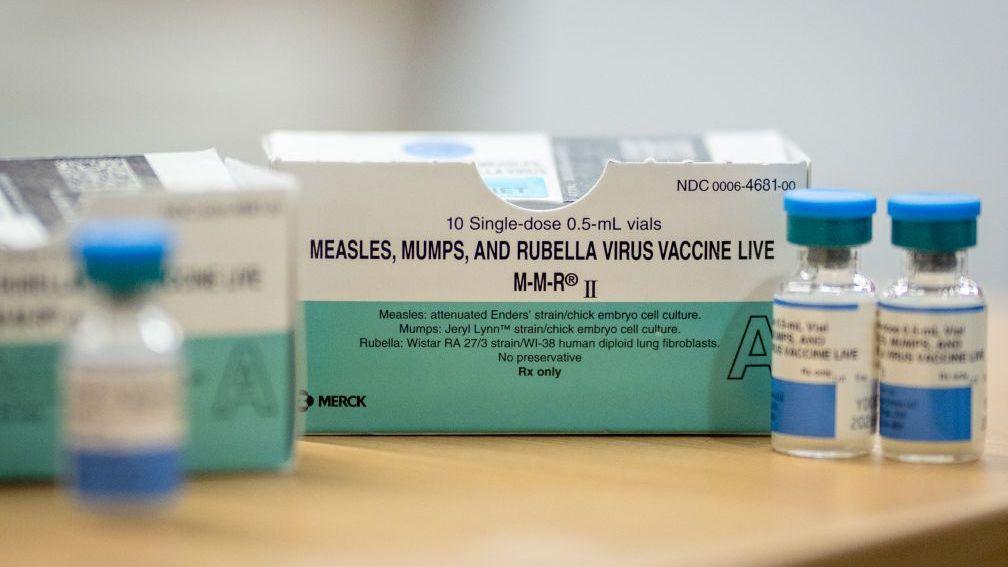
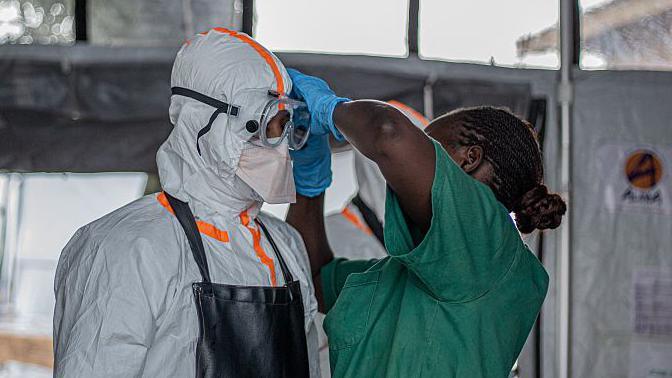
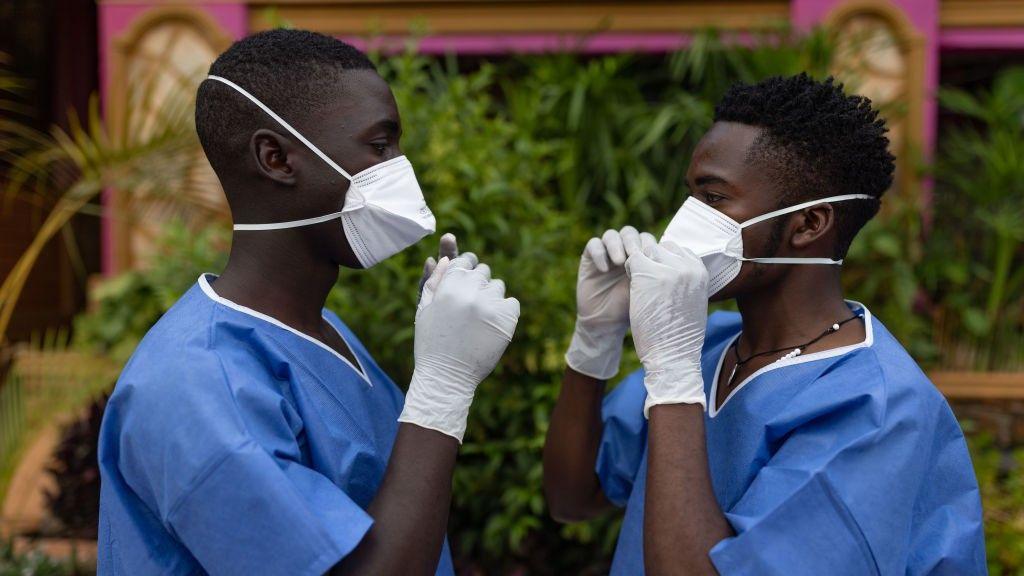
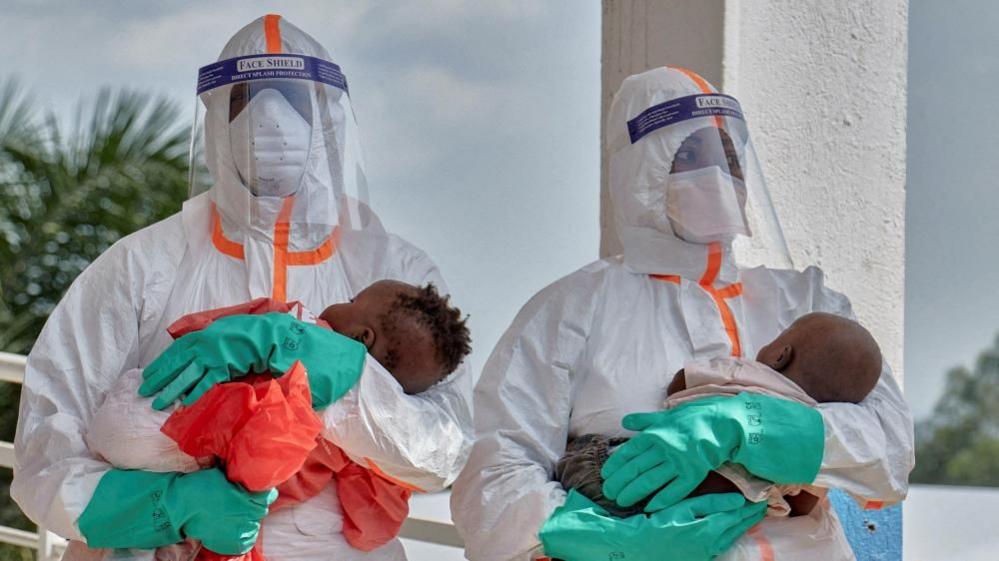
Once officials uncovered the deaths, the state rushed mobile clinics into the region. Teams carried umbrellas of oxygen, malaria tests and vaccines, treating over 6,200 patients on the ground and sending about 630 to district hospitals. The most effective step was a measles‑rubella inoculation drive that quickly brought the unvaccinated children under protection.
The campaign also revealed huge gaps: many children had no vaccination record, and public distribution of nutrition rations suffered from irregularities. Chronic malnutrition—linked to early pregnancy and limited diet—left children especially vulnerable to infection.
Looking forward
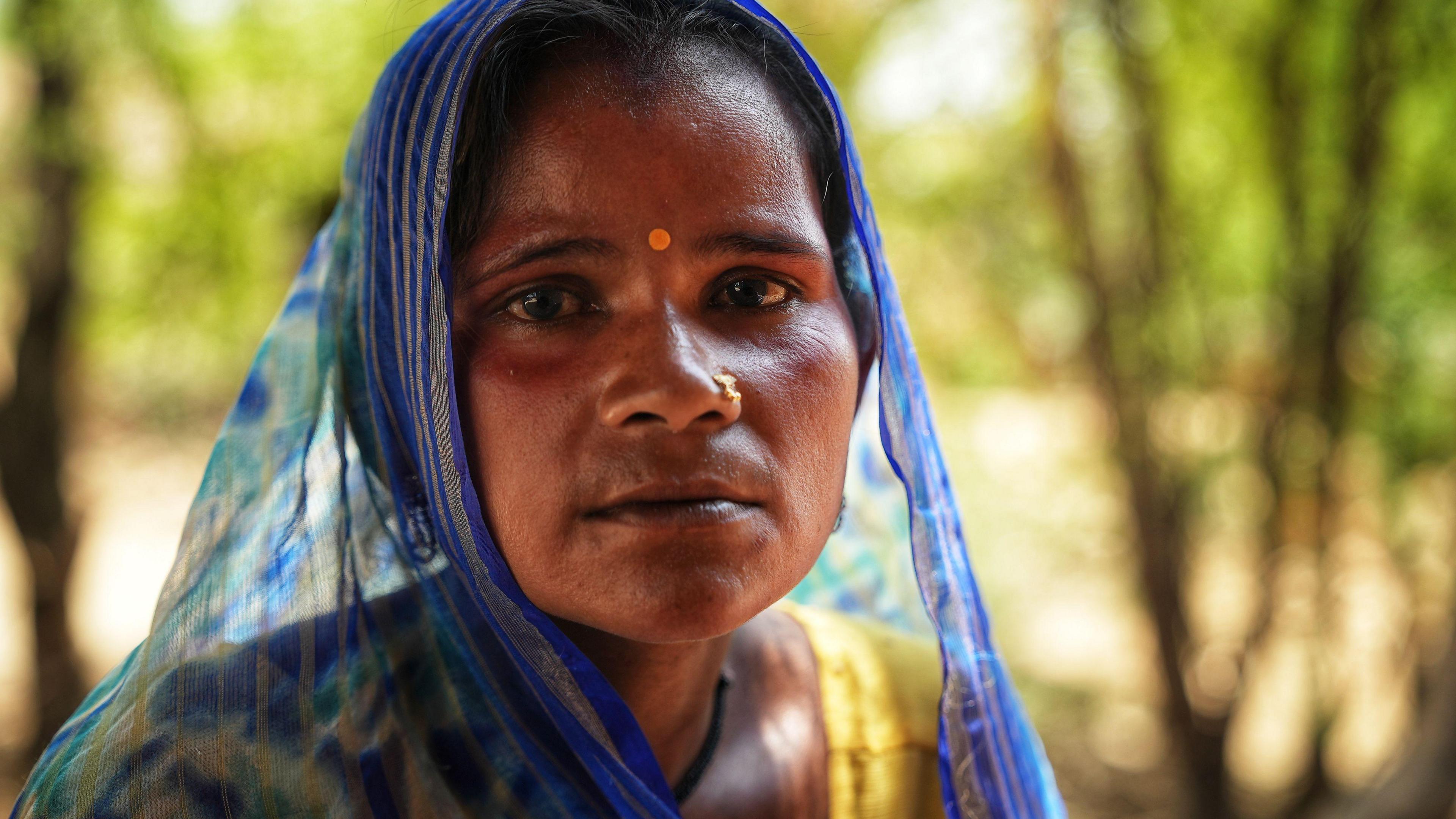
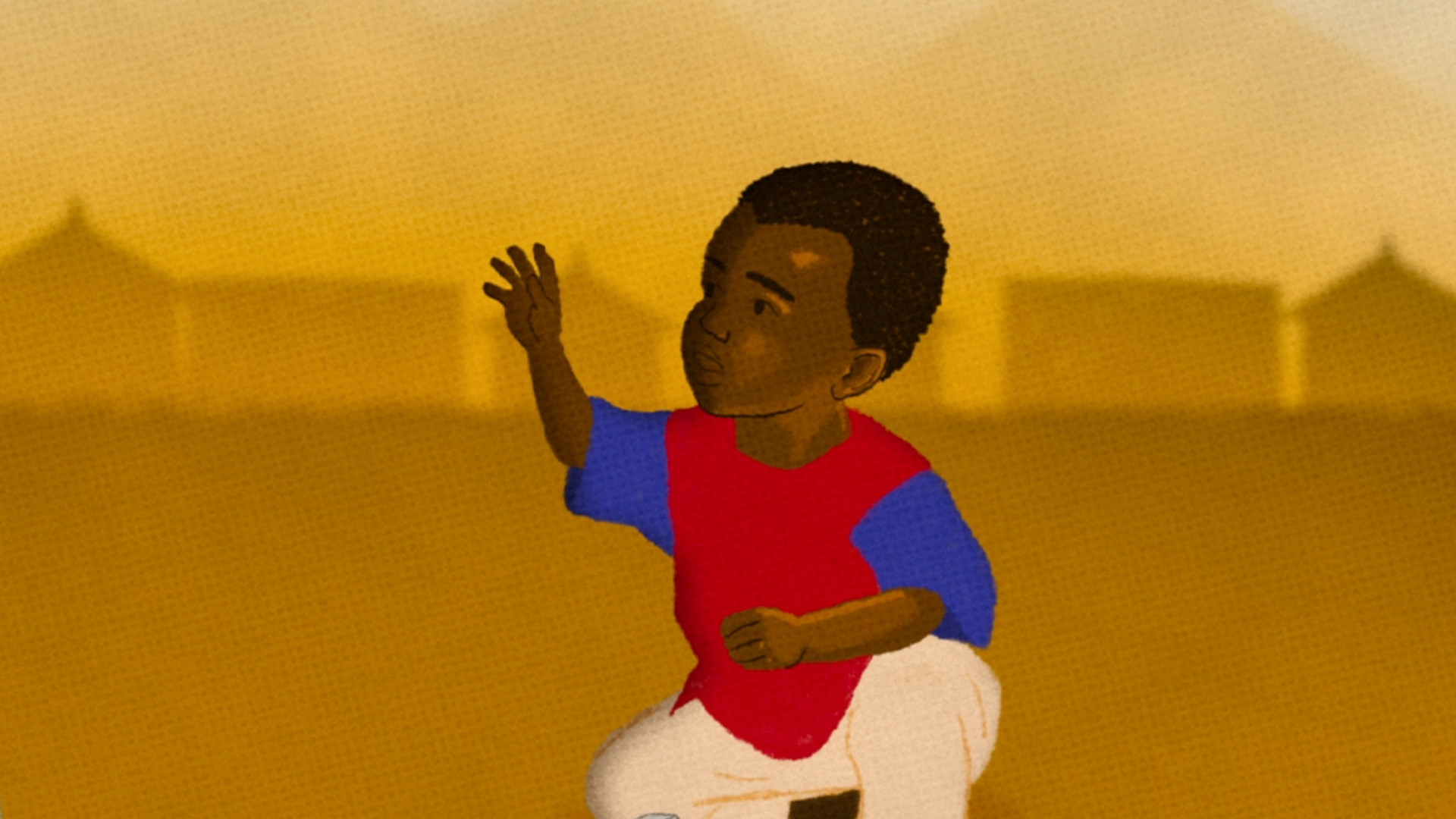
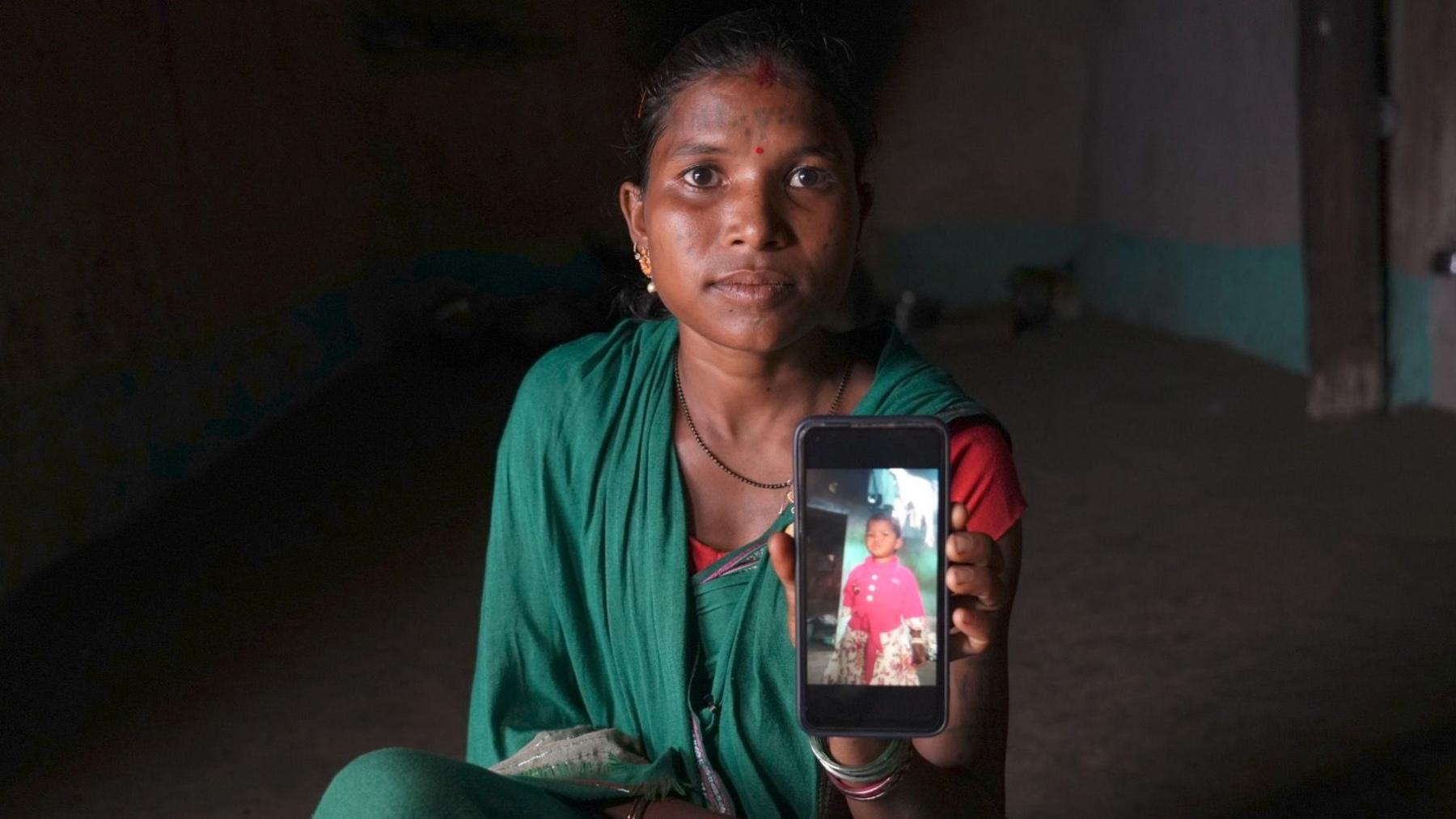
The outbreaks have ended, but the story lingers. Parents like Koushila Markam, whose 3‑year‑old, Bamita, is buried beside the paddy field, mourn the lost children while looking on at her surviving daughter, Ankita. The challenge remains to turn the lessons of the crisis into lasting health, nutrition, and education services for the Baiga community.