In brief
In Texas, a surge of young men are converting to Russian Orthodox Christianity, drawn in by a message of unapologetic masculinity and traditional family values. With growth accelerated by the pandemic, many see the church as a refuge from what they perceive as a society that undermines their roles as men and breadwinners.
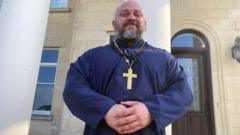
In an intriguing trend, many young men in the United States are converting to Russian Orthodox Christianity, attracted to its promises of heightened masculinity and traditional roles. Father Moses McPherson, a key figure in this movement, has seen his Georgetown, Texas congregation triple in size amid a growing online presence that promotes a powerful, unabashed form of masculinity.In his YouTube videos, Father Moses criticizes modern notions of masculinity, denouncing behaviors perceived as feminine while showcasing strength through weightlifting and traditional masculine roles. This shift comes as many of his followers, like Theodore, express dissatisfaction with contemporary masculinity and a yearning for values rooted in family and responsibility.The Russian Orthodox Church Outside Russia (ROCOR), which has been expanding in the U.S., draws individuals seeking not just spiritual fulfillment but also a rejection of what they see as harmful societal trends, including discussions on gender fluidity. Converts often choose to homeschool their children in an effort to foster a strictly religious upbringing, with some citing concerns about modern educational narratives.Despite being a small sect within the broader American Christian community—which largely fall under evangelical megachurches—the ROCOR symbolizes a conservative movement reflecting wider political sentiments. A recent surge in male converts, documented by the Pew Research Center and various studies, highlights a growing demographic within a faith traditionally deemed more feminine.As the pandemic prompted many to reassess their values, the digital landscape has played a pivotal role in connecting these new worshippers, who find solace in the structured, traditional practices of Orthodoxy. Followers, like Buck Johnson, emphasize a longing for deeper connections, community, and long-term family commitments.Interestingly, the appeal of Orthodoxy may also intersect with broader narratives around Russia's political identity, particularly amid global tensions. Converts often feel a kinship with Russia's traditional stances against modern Western liberalism, alluding to a cultural shift that fosters a sense of belonging amidst their new faith.This movement symbolizes not just a religious transformation but a significant cultural dialogue, as young American men seek grounding in histories and communities that resonate with their thirst for authenticity and traditional values.