In brief
At its fifth meeting, the UAE’s Higher Education Advisory Committee presented a set of advances in artificial intelligence use, research collaboration and skill development. Chiefly noted were improved data governance and new skill clusters that support entrepreneurship education, all aimed at making graduates ready for a knowledge‑based economy.
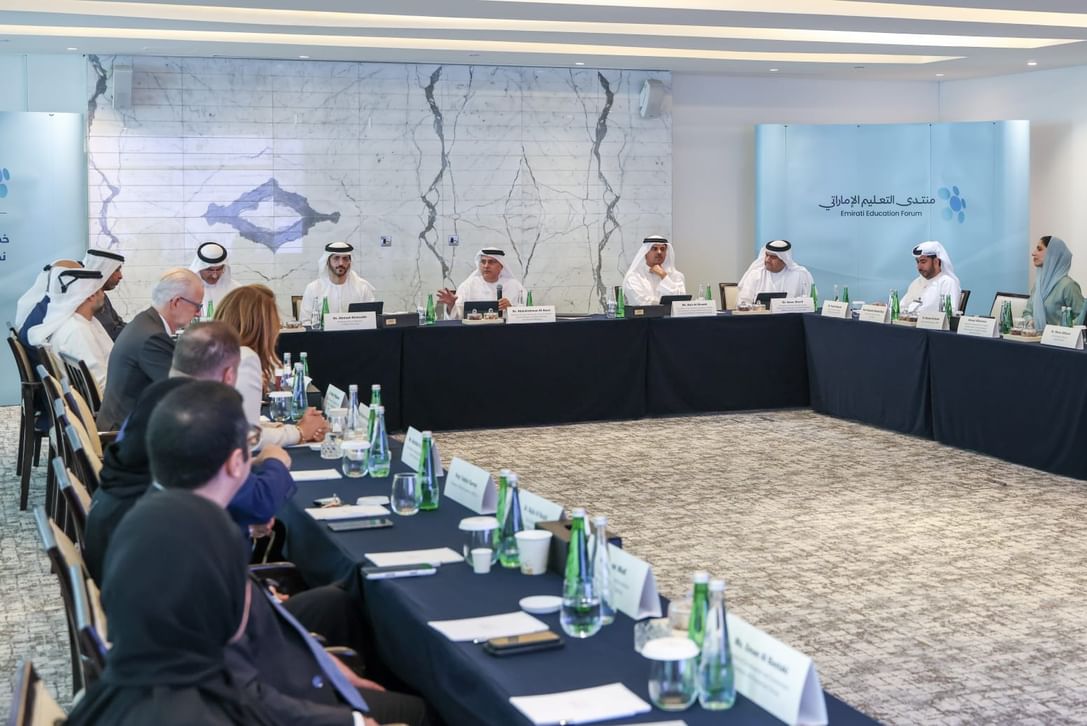
The UAE Ministry of Higher Education and Scientific Research (MoHESR) met for the fifth time in Abu Dhabi on 1 November to discuss how universities can meet future job demands.
Chairman Dr. Abdulrahman Al Awar said the committee’s work “aligns with our vision for preparing generations capable of contributing to the knowledge economy.”
“The achievements of the Advisory Committee and its working groups are aligned with the vision of our wise leadership, which places great emphasis on preparing generations capable of contributing to the knowledge economy.”
He highlighted three main fronts: deploying artificial intelligence across university programs, tightening ties between higher‑education institutions and key industry sectors, and developing future‑skills training.
One concrete outcome is a new data‑governance framework that lets universities access and use large sets of industry data while protecting privacy. A second is the launch of new skill clusters that link academic courses with employer needs, helping students build marketable, tech‑savvy skill sets.
The committee also strengthened entrepreneurship education, encouraging students to launch start‑ups that can feed the UAE’s knowledge‑based economy.
According to MoHESR officials, these measures create a cycle where industry partners contribute resources and real‑world projects, while graduates gain experiential learning that boosts their employability.
By turning dialogue into tangible projects, the committee aims to lift the overall performance of higher education and support the country’s ambition to be a global talent hub.