In brief
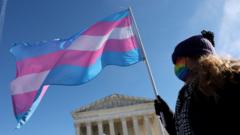
The Supreme Court is set to examine laws in Idaho and West Virginia that restrict transgender athletes from competing in women's sports, following lower court rulings that supported two transgender students. The implications of this review could reshape the landscape of transgender rights and sports participation across the nation.
The US Supreme Court has decided to review the controversial state laws that ban transgender athletes from participating in women's and girls' sports. This significant case revolves around laws in Idaho and West Virginia, where two transgender athletes, Becky Pepper-Jackson, 15, and Lindsay Hecox, 24, successfully challenged the bans, arguing they are discriminatory. Their victories in lower courts allowed them to continue competing, but the Supreme Court's ruling could have far-reaching effects across the US.This comes on the heels of a recent decision that upheld a Tennessee law restricting gender transition care for minors, raising concerns among advocates about the future of transgender rights in America. Idaho passed the first law targeting transgender women in sports, which sparked similar legislation in over 20 states. Proponents like state lawmaker Barbara Ehardt argue these laws protect fairness in women’s sports, stating that allowing transgender girls to compete gives them an unfair advantage.However, a panel of judges previously ruled that Idaho's law violates constitutional rights, emphasizing that the state did not provide sufficient evidence of benefits for women athletes. Supporters of the athletes, such as Joshua Block from the ACLU, warn that exclusion based on gender identity creates unwelcoming school environments and undermines safety for all students. With the Supreme Court's next term set to start in October, the hearing date remains unannounced. How the Court resolves these crucial issues could influence similar laws across the nation, as the conversation about gender identity and equality in sports continues to unfold.