In brief
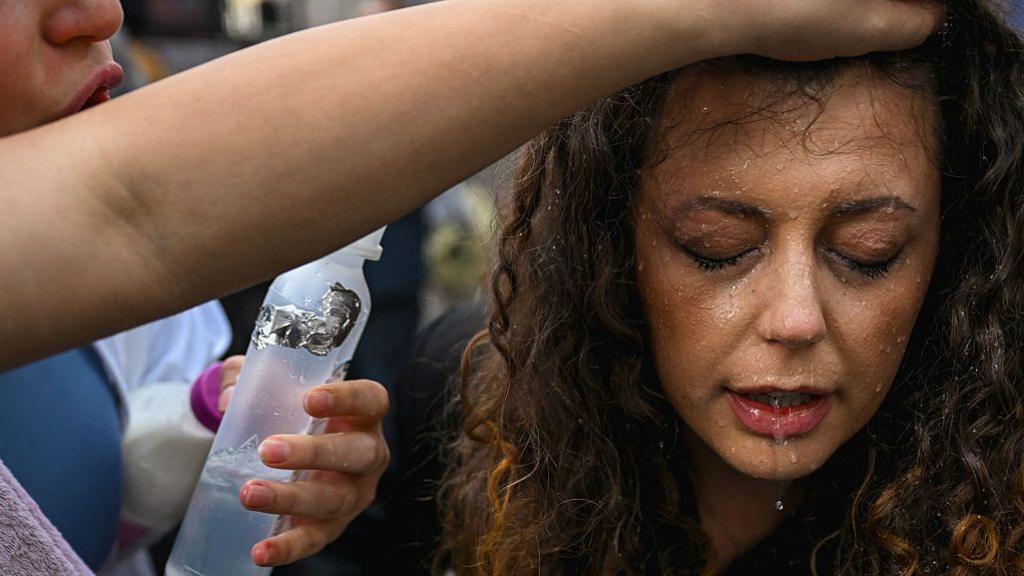
In Tirana thousands of young students take to the streets to protest corruption. Masked demonstrators launch petrol bombs and rocks at riot police, who reply with water cannon, tear gas and rubber bullets for the first time. The protests spiral into a national outcry that threatens the prime minister’s hold on power. Youth volunteers clean victims’ eyes with saline, showing solidarity across ages. Albania’s political future now sits on the line amid growing investigations and calls for fair elections.
In the capital Tirana, a new wave of protests began to dominate the streets on Saturday, pushing the city into a volatile state. The movement—originating in early June when students walked out of university to demand better rights—has now turned into a nationwide demand for a change in leadership.
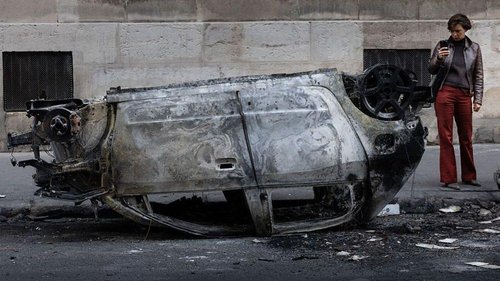
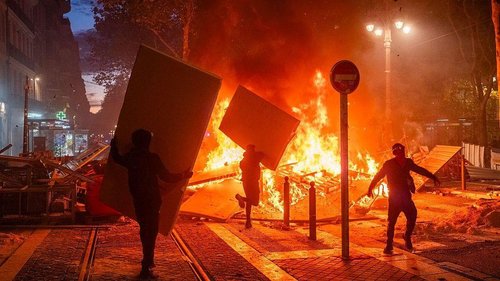
These fights have turned to violence: masked youth hurled petrol bombs and rocks at riot police, who answered with water cannons, waves of tear gas and, for the first time, rubber bullets. Police new forces reinforced the riot units as hot‑weather faded into night, turning parts of the city into a scene of fire‑burned ash and shattered glass.
The central arena of the conflict shifted to the office of Prime Minister Edi Rama, drawing even more demonstrators. Attacks on construction bricks and fireworks filled the streets, while protestors — many in gas masks or face masks — handed out saline–water wicks to cleanse tear‑gas irritation from their eyes.
Despite the chaos, the crowd’s voices are clear: “We were peaceful 135 days, now we feel the need to bring change,” says 19‑year‑old George, a medical‑student‑turned‑electrician. Nearby, students Klea, 17, and Klodi, 21, speak out about boycotting classes and allegations of provocateurs attempting to discredit the movement.
Political fallout grows: the secret service chief Vlora Hyseni has been arrested for alleged ties to a powerful businessman linked to the prime minister; protests and investigations threaten Rama’s 13‑year rule. The Socialist Party’s majority sits at 83 of 140 seats, but the next elections are not until 2029 — giving the public a long wait for actual change.
All this while the world watches; Albania’s ambition to join the EU is seen by some as a reason to keep the current regime stable. The protests challenge the narrative of a smooth, prosperous journey toward European integration.
Tune in to a 60‑second SnapScope video summary to see the street action, hear expert commentary, and grab a quick challenge: predict the next major strike location within minutes. Stay refreshed with our interactive feed to see how the rebels plan to move next.