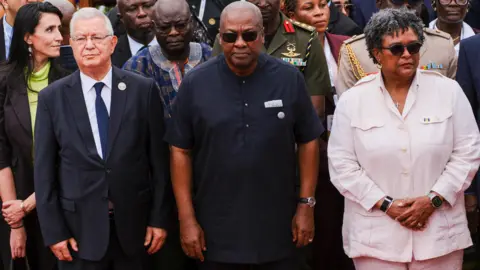
Ghana’s “Crime Scene” Role – The capital Accra recently hosted a summit with 80 countries that converged on one point: reparations for the trans‑Atlantic slave trade are long overdue. Foreign Minister Samuel Okuzeto Ablakwa declared that Ghana cannot stay silent on holding perpetrators accountable.
The UN’s March resolution named slavery the “greatest crime against humanity”, yet the United States voted against it and every European country abstained. While Britain’s estimates of owed damages reach trillions, the UK still refuses to pay, leaving Ghana as the leading voice for reparations.
Ghana’s commitment stretches beyond money: the government seeks debt relief, funds for education and research into endemic health issues that stem from the brutal conditions of enslavement.
Church of England’s Response – The Church has set up a £100m impact trust to help communities still suffering the legacy of slavery. However, it faces resistance from within, mirroring the struggle of former slave‑owning nations to pay.
Local Leadership and Apology – King Tackie Teiko Tsuru II, the Ga king, publicly apologized for ancestors’ role in the trade, urging African leaders to pay reparations and acknowledge historical complicity.
The conversation also touches on the diaspora: Ghana’s tourism authority has promoted visits from African‑Americans to reconnect with their heritage, but critics argue that commercialising the experience shifts the focus from healing to profit.
“Ghana cannot afford to be silent on ensuring that we hold perpetrators accountable.”
– Samuel Okuzeto Ablakwa
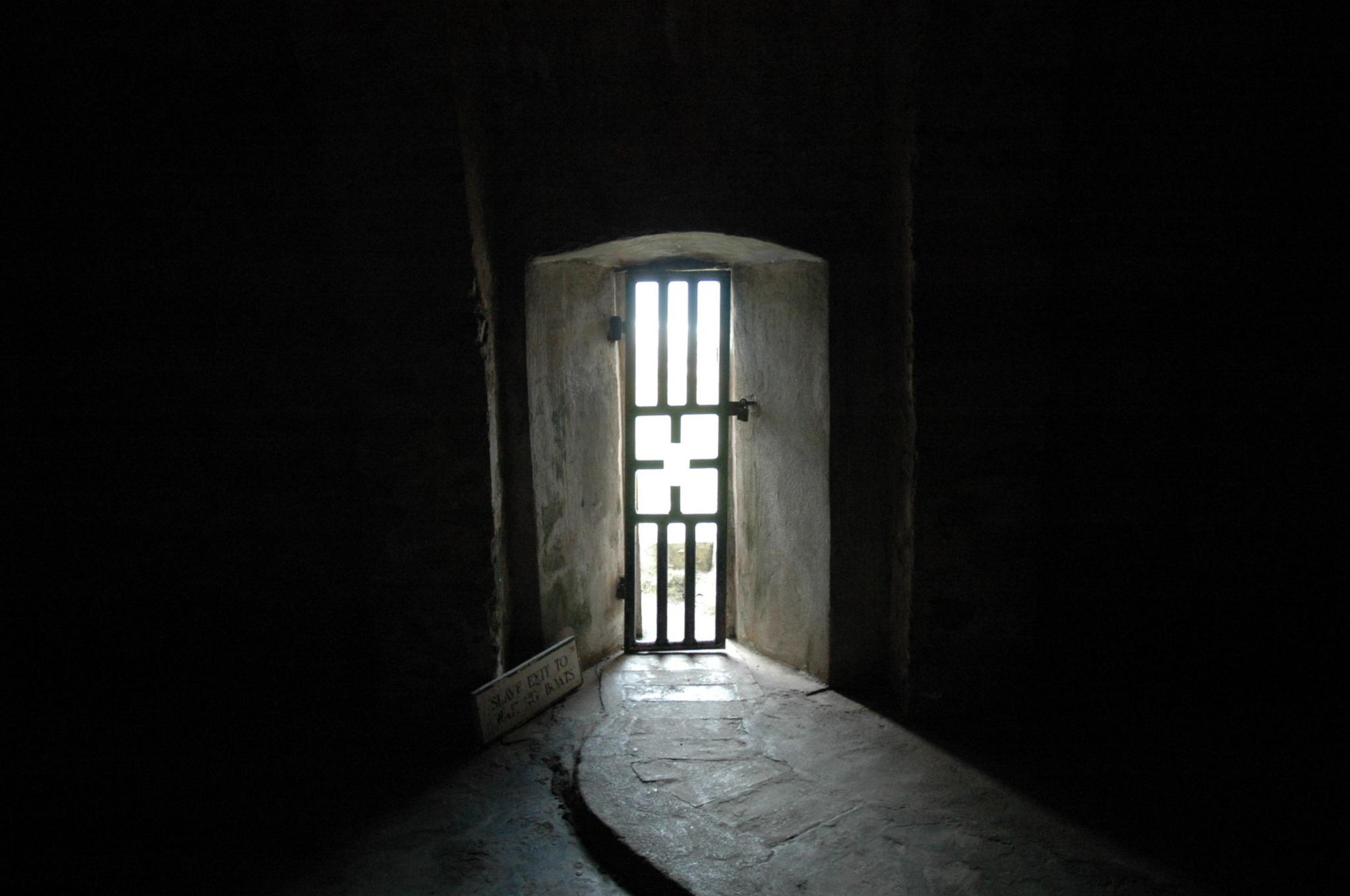
On the Ground – At the Cape Coast Castle, former dungeons stand where enslaved Africans were held before the Middle Passage. The “Door of No Return” remains a stark reminder of that era.
Moving Forward – The goal is to combine financial reparations with tangible community investment and national healing. Ghana’s leadership is positioning itself as the champion for this global cause.