Trump’s Landmark Iran Deal: Oil Flow, Uncertain Outcomes

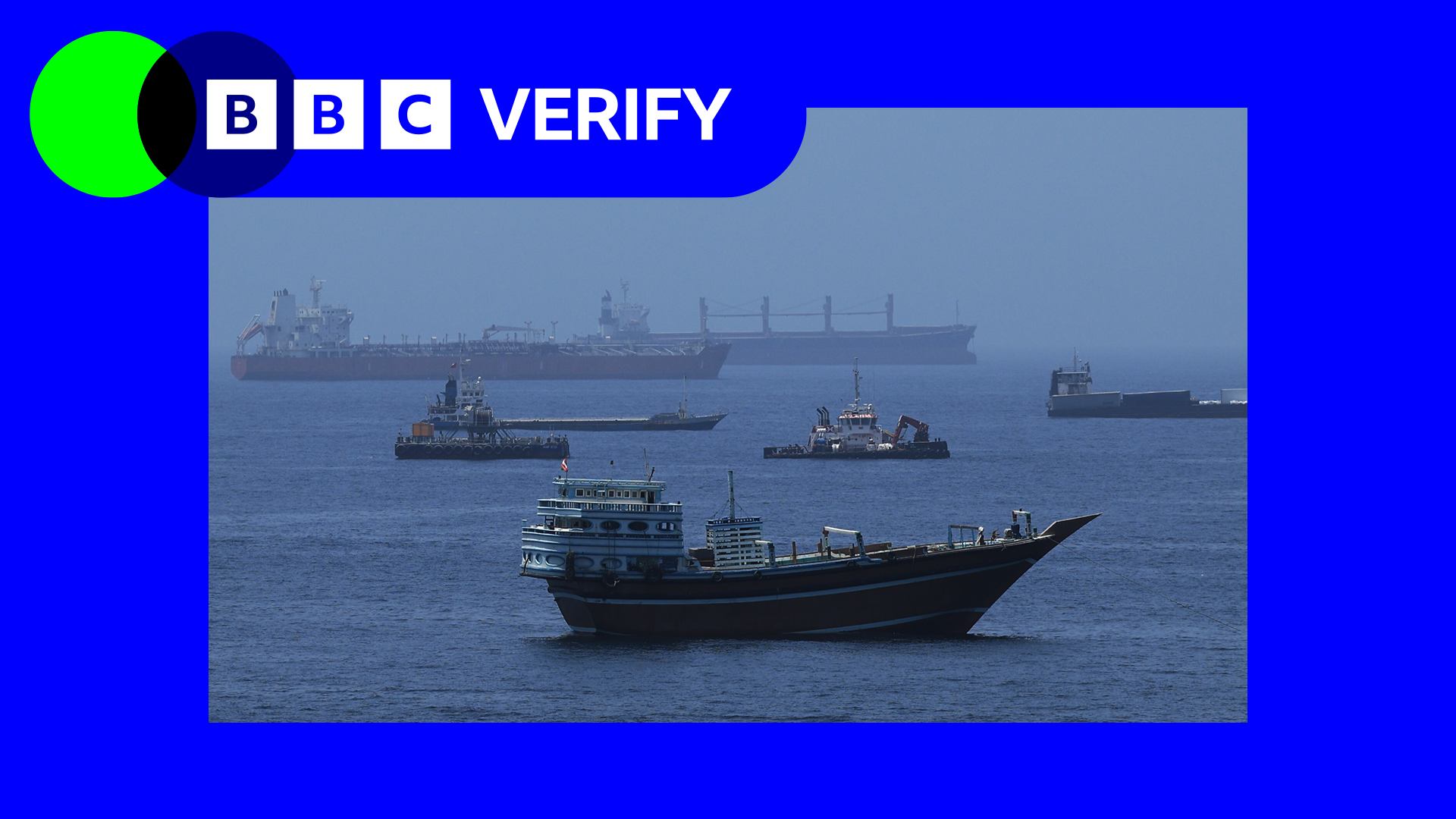
Trump announced today that an agreement has been reached to end the U.S. military stance in Iran. The deal hinges on opening the Strait of Hormuz for commercial shipping and lifting the U.S. naval blockade. Trump, in a celebratory post, urged that the oil flow resume.
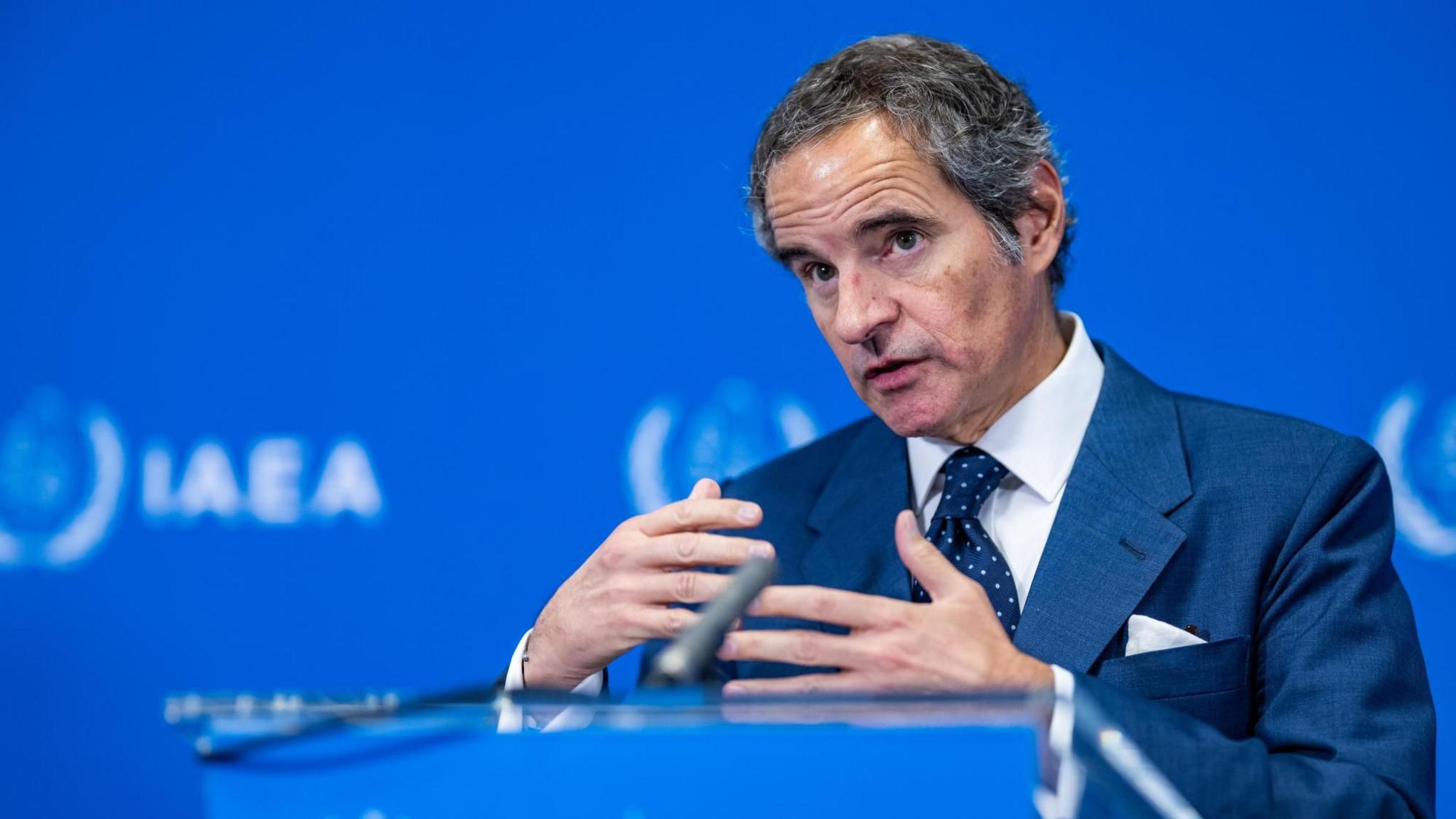
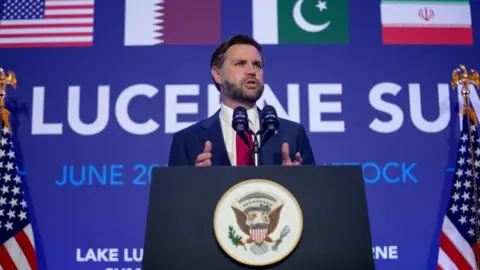
During a Fox interview, Vice‑President JD Vance stressed that the pact ensures Iran will not possess a nuclear weapon and that verification mechanisms are in place. But many technical details – such as limits on nuclear enrichment and the fate of Iran’s enriched uranium stockpile – remain unconfirmed.
“The final negotiations will wait until commitments are fulfilled,” Iran’s top security council said, adding that any vacuum could jeopardize the agreement’s durability.
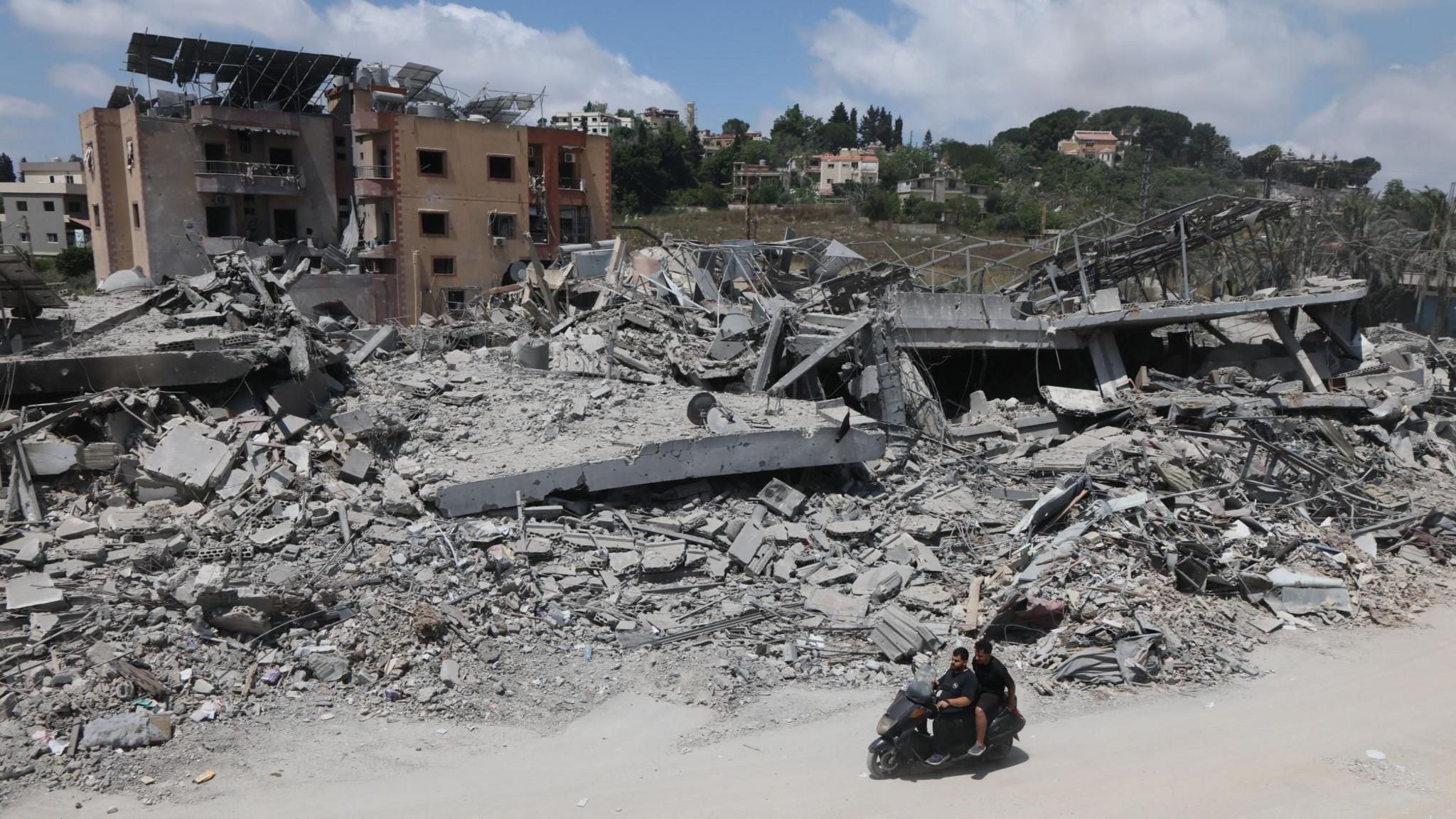
Israel’s military actions against Hezbollah in Lebanon add a wildcard. Trump already criticized Prime Minister Netanyahu for ordering strikes that could undermine the settlement.
Oil traders warn that even if shipping resumes, the route will not return to pre‑war volumes instantly. Clearing the backlog of vessels, mines and restoring regular oil flow could take weeks. A rise in global oil prices may moderate, but the pace of relief in the U.S. market will determine political support for Trump ahead of the upcoming elections.
If the deal holds true, it would mark a step toward the pre‑war status quo – though higher‑level goals may still remain unrealised for the former president.