In brief
The coming World Cup in the USA, Canada and Mexico is reshaping football’s economics. With 48 teams, 11 American football arenas and a new dynamic‑pricing model, ticket costs may reach thousands of dollars, sparking fan backlash and a race to the bottom. The event sits at a crossroads in global politics – a war‑torn host, a U.S. host’s election‑driven agenda, a trade‑war with its co‑hosts – making the tournament a high‑stakes gamble on money, marketing and geopolitical goodwill.
Why the economics make 2026 the craziest World Cup ever
Football’s biggest stage in 2026 changes the game’s business model. More squads, more stadiums and a live‑bid system designed for sky‑high ticket revenue mean fans face record‑high prices, while a global trade war and political drama set a stage for drama beyond the pitch.
A Hot‑Seat of Politics
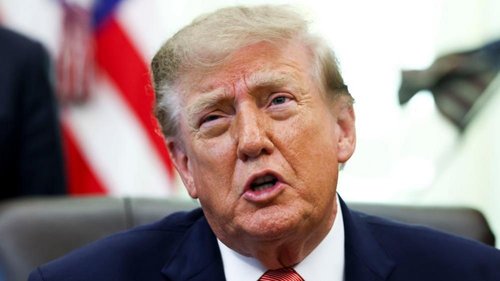
The United States, Canada and Mexico are fighting a “trade war” during the same period the World Cup runs. Meanwhile, former U.S. President Donald Trump is a heavy‑handed fan, joking that his loss in 2020 opened the door for a “last chance” World Cup visit – and he hinted at ending war in the Middle East right before the event starts.
Ticket Prices Gone Wild
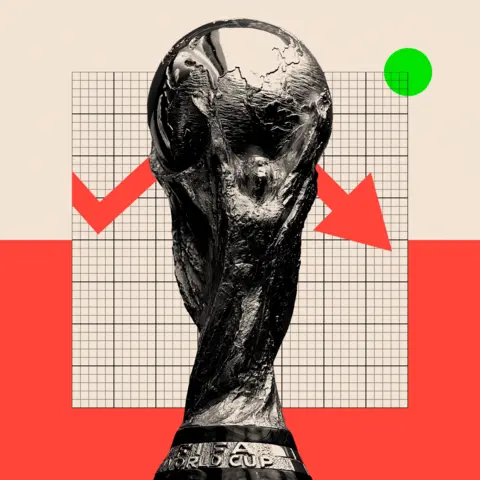
What used to be “cheaply” won tickets now echo an NFL ticket scheme: dynamic pricing pushes prices as high as $1,000 for a single group seat. New Jersey fans reported seeing a return train ticket for $98 – a nine‑fold hike from typical fares. This “gold mine” of revenue is aimed at FIFA’s development funds, but it could also prompt the fans to bring their pockets to the stadiums.
Dynamic Pricing: Winner or Dilemma?
FIFA’s new system lets fans resell tickets with no top‑price limit, taking a 15% cut from both sides. While the model could generate billions and fund global football projects – even helping small nations like Cape Verde qualify – critics argue it widens the fan‑price gap and risks selling empty seats.
Will The Stadiums Fill?
Football history shows that a packed stadium charges a lot more. Yet in 2026 the U.S. has chosen an “asset‑light” model that relies on rent‑paid stadiums, pushing the bulk of ticket profits into FIFA’s coffers. The question remains whether fans will pay the steep price for the chance to watch iconic matches – or whether the world will see a sell‑out problem similar to past tournaments.
The Bigger Picture
If the U.S. snags a record $7bn from ticket sales, that money is earmarked for FIFA’s global development program. But the event also points to a growing divide between the top‑10% paying fans and the rest of the public, echoing the broader U.S. “K‑shaped” economy where the wealthy see rapid growth while a larger population stagnates.