Despite facing criminal charges and a tumultuous past, Donald Trump has made a remarkable return to the political spotlight after four years post-presidency. The recent election witnessed a spectacular resurgence, with many voters enthusiastic to give him another shot at running the country.
Fueled by concerns over the economy and immigration, Trump’s message found resonance among Americans looking for change, particularly when he prompted voters with, “Are you better off now than two years ago?” His candidacy stirred up passionate reactions, with many discontented by the current administration’s handling of economic issues during challenging times, such as the Covid-19 pandemic.
Not only did Trump’s rallying cry for "America First" resonate widely, but it also transformed voter sentiment—many believed money spent abroad, like aid to Ukraine, should be redirected towards domestic needs. Yet, the comeback story isn't without complexities; Trump remains a highly polarizing figure, responsible for intense rhetoric and controversy.
His previous administration witnessed tumultuous moments, including accusations of insurrection and a multitude of legal challenges. However, the Supreme Court had previously ruled that presidents hold immunity for acts performed in office, complicating potential prosecution during his presidency. As Trump potentially assembles a team of loyalists, the stakes rise on how he might govern differently this time.
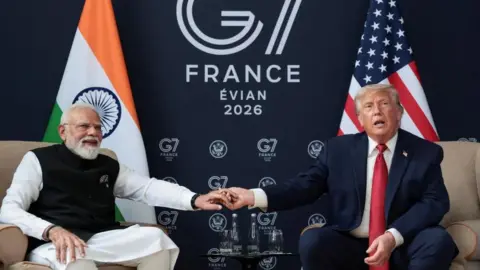
Looking ahead, the implications of a second Trump presidency stretch beyond domestic borders—impacting global trade, international relations, and more. The world is on watch to see how “America First” shapes not only American politics but also its role on the global stage in the years to come. As Trump takes the reins once again, all eyes will be positioned on the strategies he enacts and the changes they bring.
Fueled by concerns over the economy and immigration, Trump’s message found resonance among Americans looking for change, particularly when he prompted voters with, “Are you better off now than two years ago?” His candidacy stirred up passionate reactions, with many discontented by the current administration’s handling of economic issues during challenging times, such as the Covid-19 pandemic.
Not only did Trump’s rallying cry for "America First" resonate widely, but it also transformed voter sentiment—many believed money spent abroad, like aid to Ukraine, should be redirected towards domestic needs. Yet, the comeback story isn't without complexities; Trump remains a highly polarizing figure, responsible for intense rhetoric and controversy.
His previous administration witnessed tumultuous moments, including accusations of insurrection and a multitude of legal challenges. However, the Supreme Court had previously ruled that presidents hold immunity for acts performed in office, complicating potential prosecution during his presidency. As Trump potentially assembles a team of loyalists, the stakes rise on how he might govern differently this time.
Looking ahead, the implications of a second Trump presidency stretch beyond domestic borders—impacting global trade, international relations, and more. The world is on watch to see how “America First” shapes not only American politics but also its role on the global stage in the years to come. As Trump takes the reins once again, all eyes will be positioned on the strategies he enacts and the changes they bring.