The woman who fought for Pakistan’s disappeared men now faces life in jail
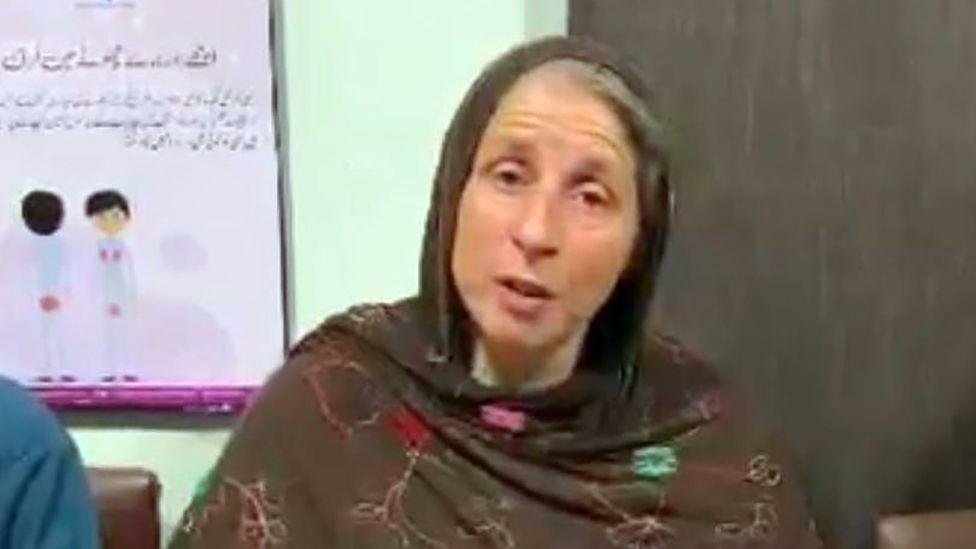
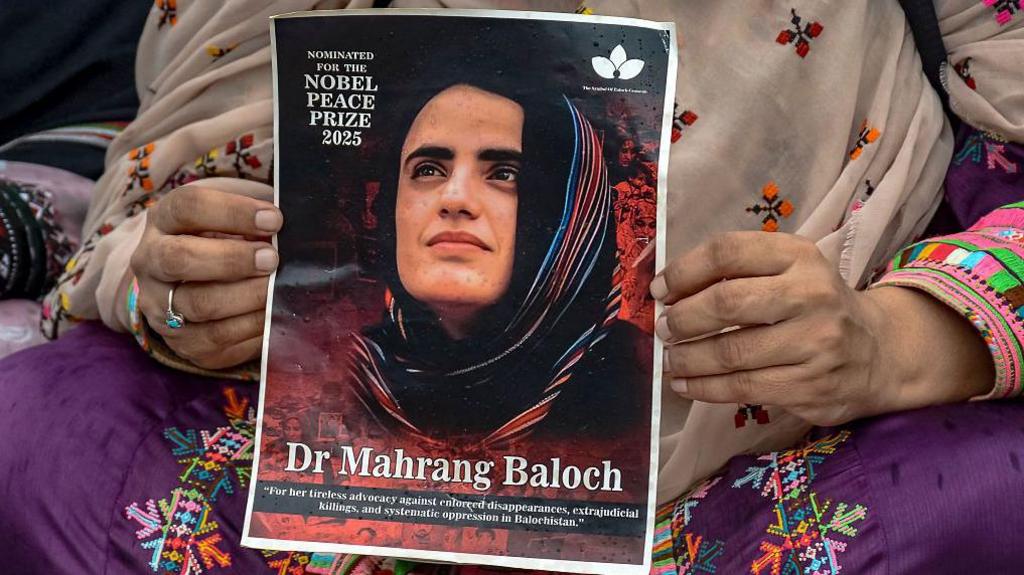
When Dr. Mahrang Baloch was a teenager, she joined hundreds of families in Balochistan searching for her father, who was taken by security forces and later killed. She rose to become a visible activist demanding answers on enforced disappearances. Today, she faces a life sentence behind bars.
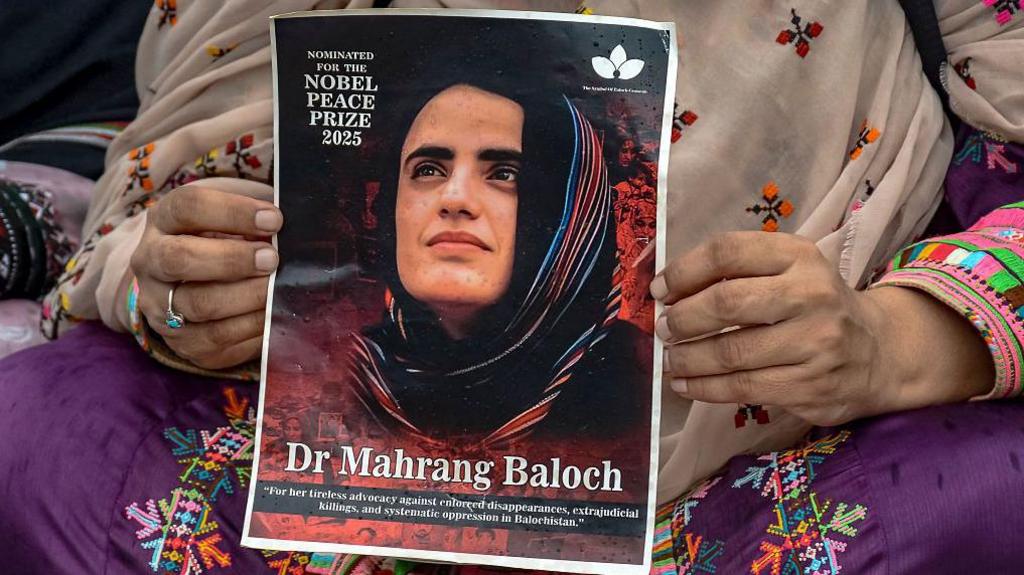
On Monday, a Pakistani anti‑terrorism court condemned Baloch and fellow activist Sibghatullah Shah to life imprisonment, citing terrorism, sedition and murder charges linked to a 2024 protest where a paramilitary soldier was killed. They deny the allegations and plan to appeal.
Baloch’s sister, Nadia, said, “We will challenge this decision in higher courts,” and revealed the family’s defense strategies while expressing fear of seeing her sister in prison.
The case echoes long‑standing claims that Balochistan’s people have been subjected to enforced disappearances by security forces, with thousands suspected missing. Activists and rights groups argue that governments deny the scale of the problem and call it “systematic propaganda.”
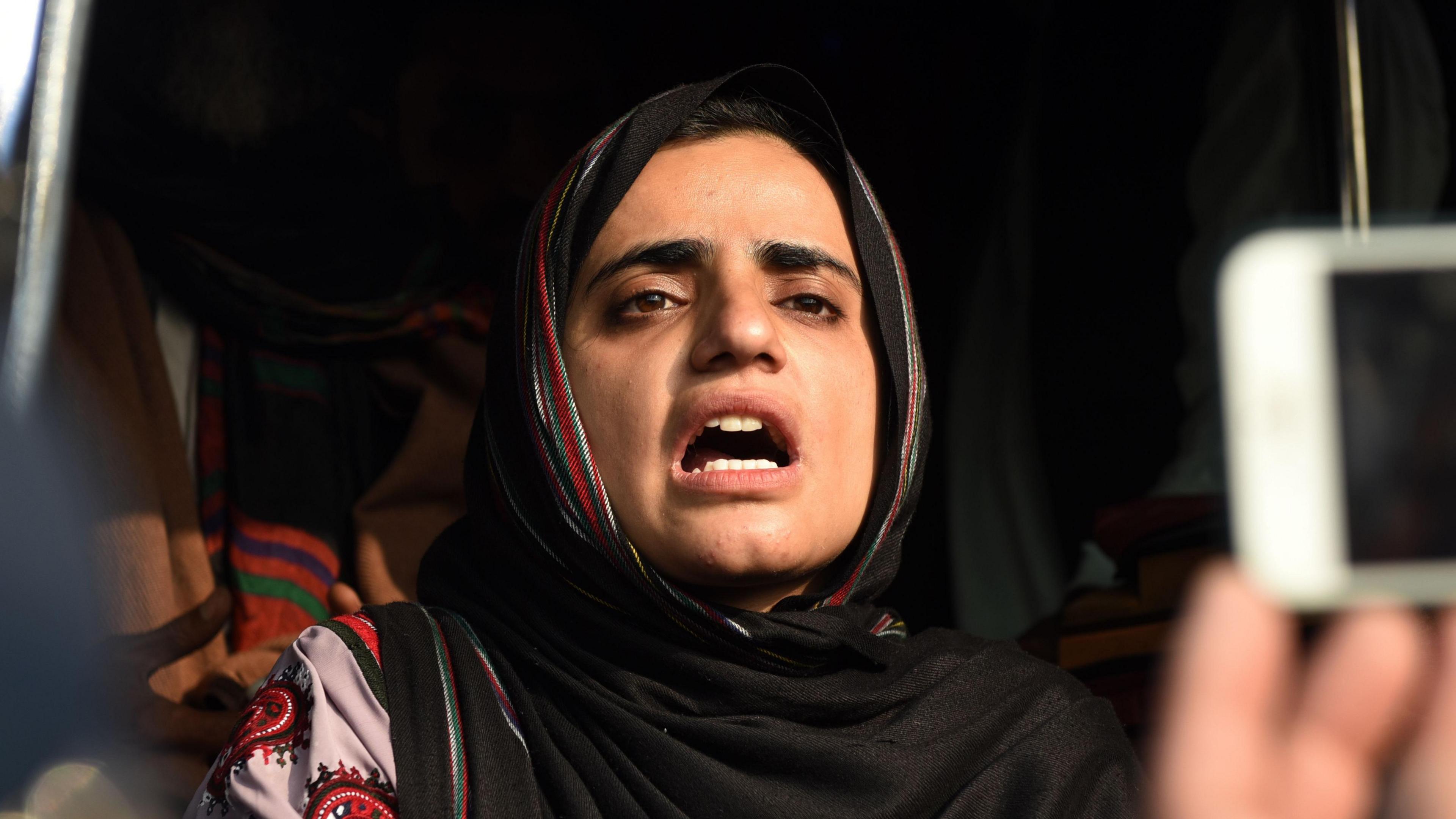
Seen as a peaceful human rights campaigner, Baloch has faced death threats, legal challenges and travel bans. Critics accuse her movement of supporting separatist narratives, an allegation she consistently rejects. She insists her fight is for the rights of Baloch people, demanding they live on their own land without persecution and gain control over their resources.
The life sentence marks a new height for state suppression, with authorities claiming the case concerns criminal acts rather than political activism. Her family argues the trial lacked transparency, citing changes in legal representation, lack of access to witness accounts and allegedly hostile judgement. They remain resolved to fight the case.
Before her arrest, Baloch said she knew imprisonment was possible but was not fearful. Now her family insists she keeps her message unchanged, stating, “The struggle will continue.”