Archaeologists have made an exciting discovery of a 3,500-year-old city named Peñico in northern Peru's Barranca province. This ancient city was a significant trade center that linked communities along the Pacific coast to those in the Andes and Amazon. The site is located approximately 200 km north of Lima at an elevation of 600 meters (1,970 feet) and is believed to date back between 1,800 and 1,500 BC, coinciding with the rise of early civilizations in the Middle East and Asia.
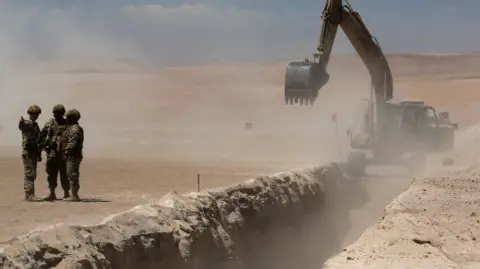
The archaeologists revealed stunning drone footage showcasing a circular structure at the heart of Peñico, surrounded by numerous stone and mud buildings. After eight years of investigation, researchers uncovered 18 structures, including temples and housing complexes. Among the artifacts found were ceremonial objects, clay figures, and ornate necklaces made from beads and seashells.
Peñico is particularly intriguing because it lies close to Caral, recognized as the oldest civilization in the Americas, founded around 5,000 years ago in the Supe Valley of Peru. Caral is known for its monumental architecture and advanced agriculture and developed largely in isolation from other early civilizations around the world. Dr. Ruth Shady, an archaeologist pivotal to both the Caral excavations and the discovery of Peñico, states that this finding is crucial for understanding the fate of the Caral civilization, which was severely impacted by climate change.
According to archaeologist Marco Machacuay, Peñico’s importance lies in its role as a continuation of Caral society, strategically situated for trade among various societies from the coast, highlands, and jungle regions. Peru continues to reveal its rich archaeological heritage, which includes notable sites like Machu Picchu and the enigmatic Nazca Lines.