The Syrian government has announced an immediate nationwide ceasefire with the Kurdish-led Syrian Democratic Forces (SDF), taking almost full control of the country, as reported by Syrian state media. The ceasefire ends nearly two weeks of fighting and forms part of a broader 14-point agreement that will see the SDF integrated into Syria's military and state institutions.
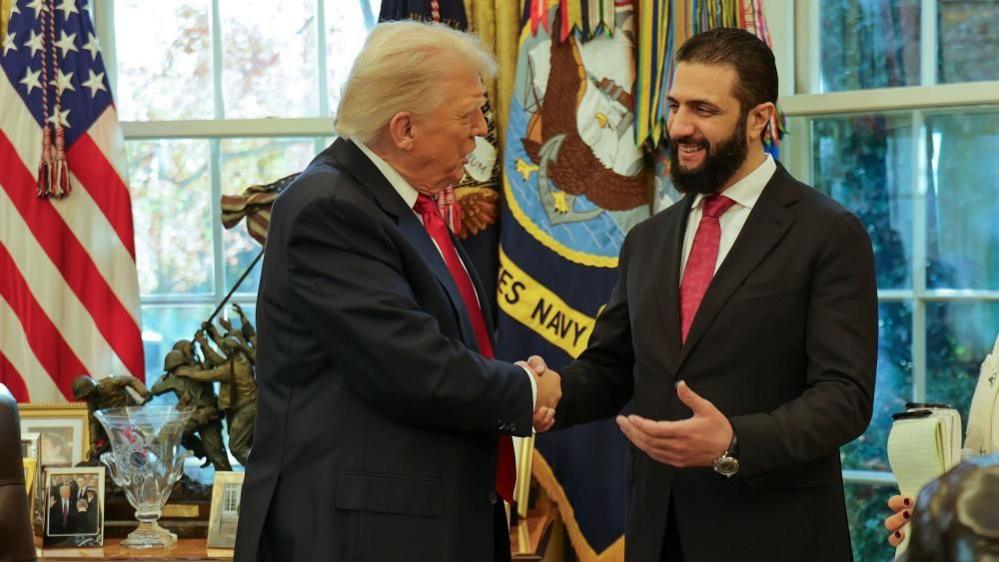
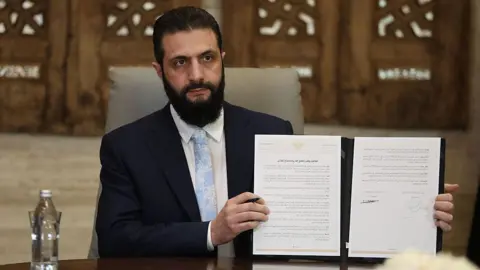
In a statement made in Damascus, President Ahmed al-Sharaa expressed that the deal would allow Syrian state institutions to reassert control over key eastern and northern governorates, such as al-Hasakah, Deir Ezzor, and Raqqa. This ceasefire follows a meeting between al-Sharaa and US special envoy Tom Barrack, who praised the agreement as a move towards a 'unified Syria.'
SDF commander Mazloum Abdi was expected to join the discussions but was unable to do so due to severe weather conditions. In a televised address, he confirmed his intention to provide more details about the agreement with Kurdish forces upon his return from Damascus. The deal aims to prevent a further escalation of conflict and is described as necessary due to the circumstances imposed on the SDF.
This agreement culminates numerous stalled negotiations and comes after Syrian forces moved into Raqqa and surrounding oil facilities, which had been controlled by the SDF. The integration process outlined in the agreement includes the establishment of Syrian authority over civilian institutions, including border crossings and oil fields that have been crucial for Kurdish autonomy since the onset of Syria's civil war almost a decade ago. SDF personnel will be appointed to Syria's defense and interior ministries following a vetting process.
Additionally, the Syrian government has committed to recognizing Kurdish cultural and linguistic rights, which marks a historic first since Syria's independence from France in 1946. Kurdish media reported Abdi's reaffirmation of SDF's dedication to preserving the unique characteristics of the Kurdish-led administration in the northeast. The agreement also emphasizes Syria's role in the US-led coalition against the Islamic State, demonstrating a complex intertwining of local and international interests in the evolving landscape of Syrian governance.
In a statement made in Damascus, President Ahmed al-Sharaa expressed that the deal would allow Syrian state institutions to reassert control over key eastern and northern governorates, such as al-Hasakah, Deir Ezzor, and Raqqa. This ceasefire follows a meeting between al-Sharaa and US special envoy Tom Barrack, who praised the agreement as a move towards a 'unified Syria.'
SDF commander Mazloum Abdi was expected to join the discussions but was unable to do so due to severe weather conditions. In a televised address, he confirmed his intention to provide more details about the agreement with Kurdish forces upon his return from Damascus. The deal aims to prevent a further escalation of conflict and is described as necessary due to the circumstances imposed on the SDF.
This agreement culminates numerous stalled negotiations and comes after Syrian forces moved into Raqqa and surrounding oil facilities, which had been controlled by the SDF. The integration process outlined in the agreement includes the establishment of Syrian authority over civilian institutions, including border crossings and oil fields that have been crucial for Kurdish autonomy since the onset of Syria's civil war almost a decade ago. SDF personnel will be appointed to Syria's defense and interior ministries following a vetting process.
Additionally, the Syrian government has committed to recognizing Kurdish cultural and linguistic rights, which marks a historic first since Syria's independence from France in 1946. Kurdish media reported Abdi's reaffirmation of SDF's dedication to preserving the unique characteristics of the Kurdish-led administration in the northeast. The agreement also emphasizes Syria's role in the US-led coalition against the Islamic State, demonstrating a complex intertwining of local and international interests in the evolving landscape of Syrian governance.