April 28, 2025, has become a defining moment for Canadian politics. Just months ago, the Conservative Party was favoured to reclaim power from the Liberal Party, led by the now-resigned Justin Trudeau. However, the landscape changed dramatically due to two key factors: the unexpected resignation of Trudeau and escalating trade tensions emanating from the U.S.
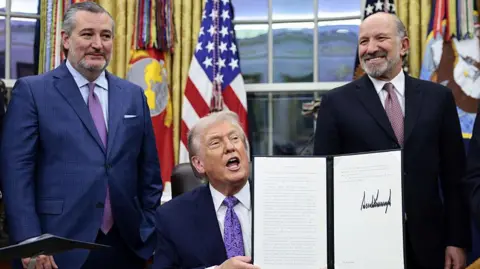
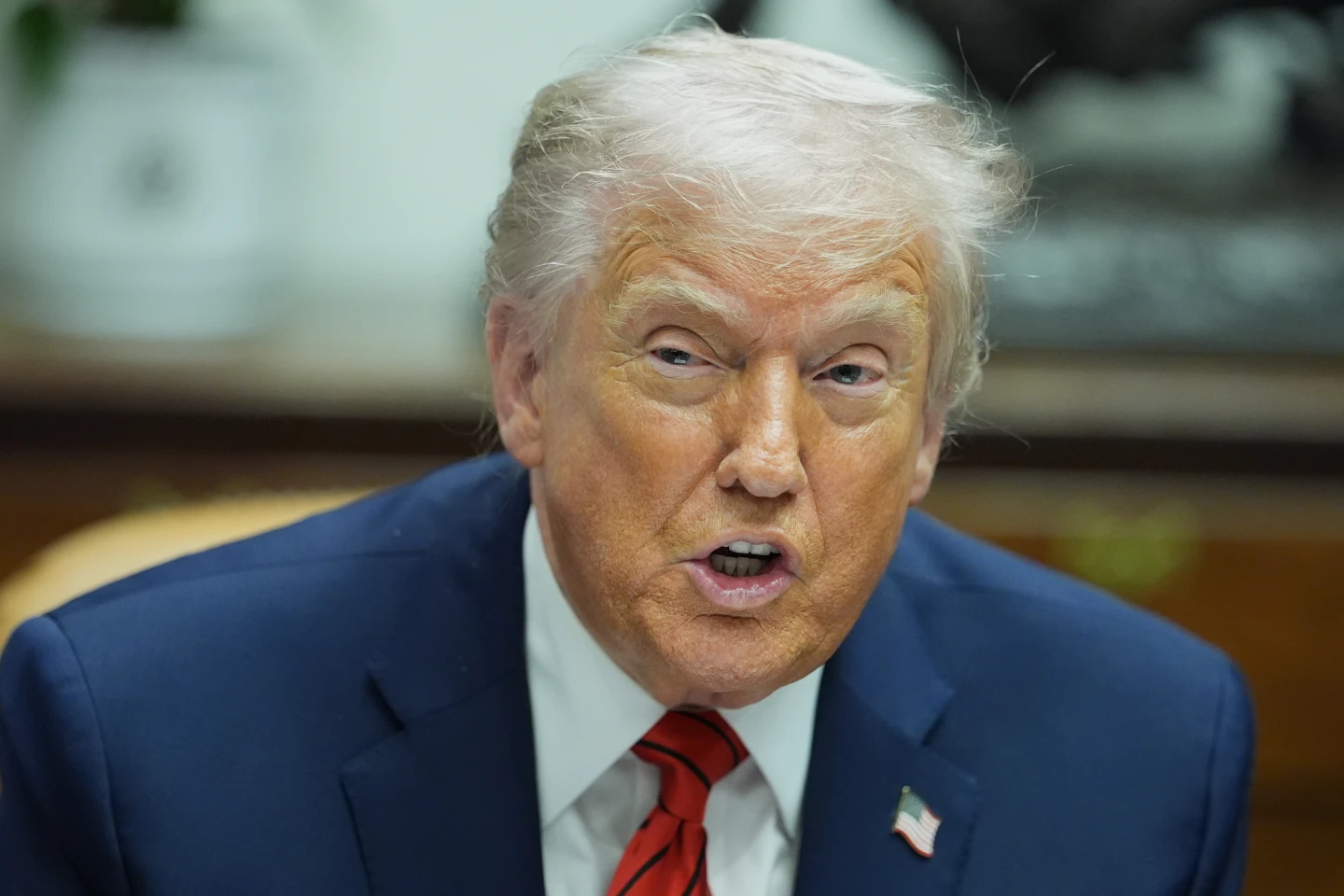
Former U.S. President Donald Trump’s threats regarding tariffs have significantly influenced election narratives in Canada. Initially, he hinted at imposing tariffs on nearly all Canadian imports, but ultimately enacted more focused measures targeting essential sectors. This includes a hefty 25 percent tariff on automobiles, aluminum, and steel.
To counteract the economic hit from these tariffs, Canada retaliated. Under Trudeau's leadership, the country imposed its own tariffs on U.S. goods, projected to bring in CA$30 billion (around US$22 billion) over the coming year. The situation intensified with Trudeau's successor, Mark Carney, adding an additional CA$8 billion (around US$5.7 billion) in tariffs, particularly affecting American-made automobiles.
This political drama unfolding over trade is expected to not only affect the economy but also sway voter sentiments. With the Greater Toronto Area (GTA) being a crucial battleground for votes, all eyes will be on how these political maneuvers shape the final election outcome.
Former U.S. President Donald Trump’s threats regarding tariffs have significantly influenced election narratives in Canada. Initially, he hinted at imposing tariffs on nearly all Canadian imports, but ultimately enacted more focused measures targeting essential sectors. This includes a hefty 25 percent tariff on automobiles, aluminum, and steel.
To counteract the economic hit from these tariffs, Canada retaliated. Under Trudeau's leadership, the country imposed its own tariffs on U.S. goods, projected to bring in CA$30 billion (around US$22 billion) over the coming year. The situation intensified with Trudeau's successor, Mark Carney, adding an additional CA$8 billion (around US$5.7 billion) in tariffs, particularly affecting American-made automobiles.
This political drama unfolding over trade is expected to not only affect the economy but also sway voter sentiments. With the Greater Toronto Area (GTA) being a crucial battleground for votes, all eyes will be on how these political maneuvers shape the final election outcome.