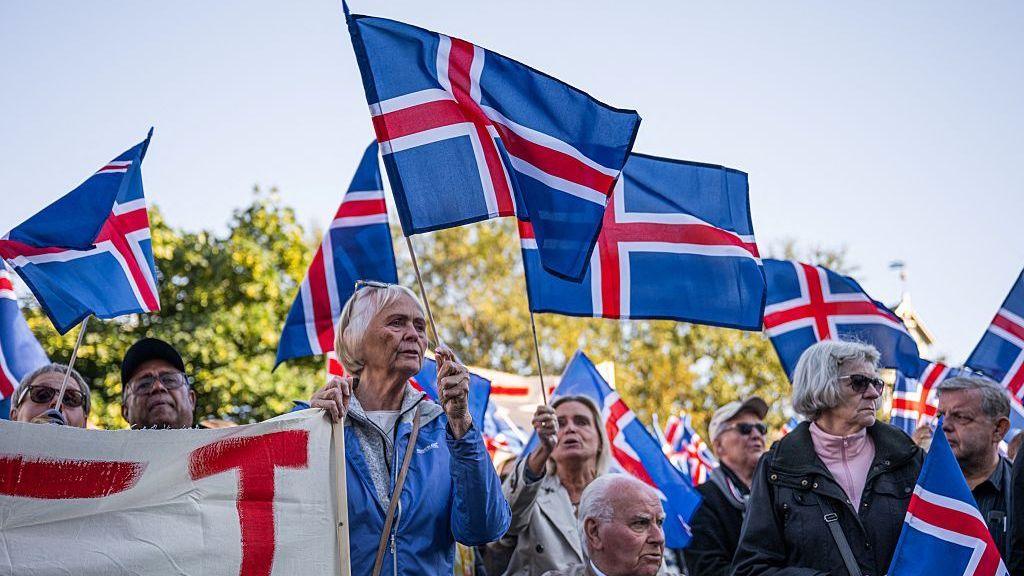
Iceland has joined Spain, Ireland, Slovenia and the Netherlands in saying it will boycott the 2026 Eurovision Song Contest. All five countries have withdrawn after Israel's participation in the competition was officially confirmed last week. Stefan Eiriksson, director-general of Icelandic national broadcaster RÚV, stated: There is no peace or joy connected to this contest as things stand now. On that basis, first and foremost, we are stepping back while the situation is as it is. RÚV emphasized that Israel's participation has created disunity among both members of the European Broadcasting Union (EBU) and the general public.
The decision was approved during a board meeting, just hours before the deadline for countries to confirm their participation in what is supposed to be a celebratory 70th-anniversary edition next May. Iceland was reportedly among the last to announce its decision. Eurovision director Martin Green commented that he respects the choice of broadcasters opting out and hopes to welcome them back soon.
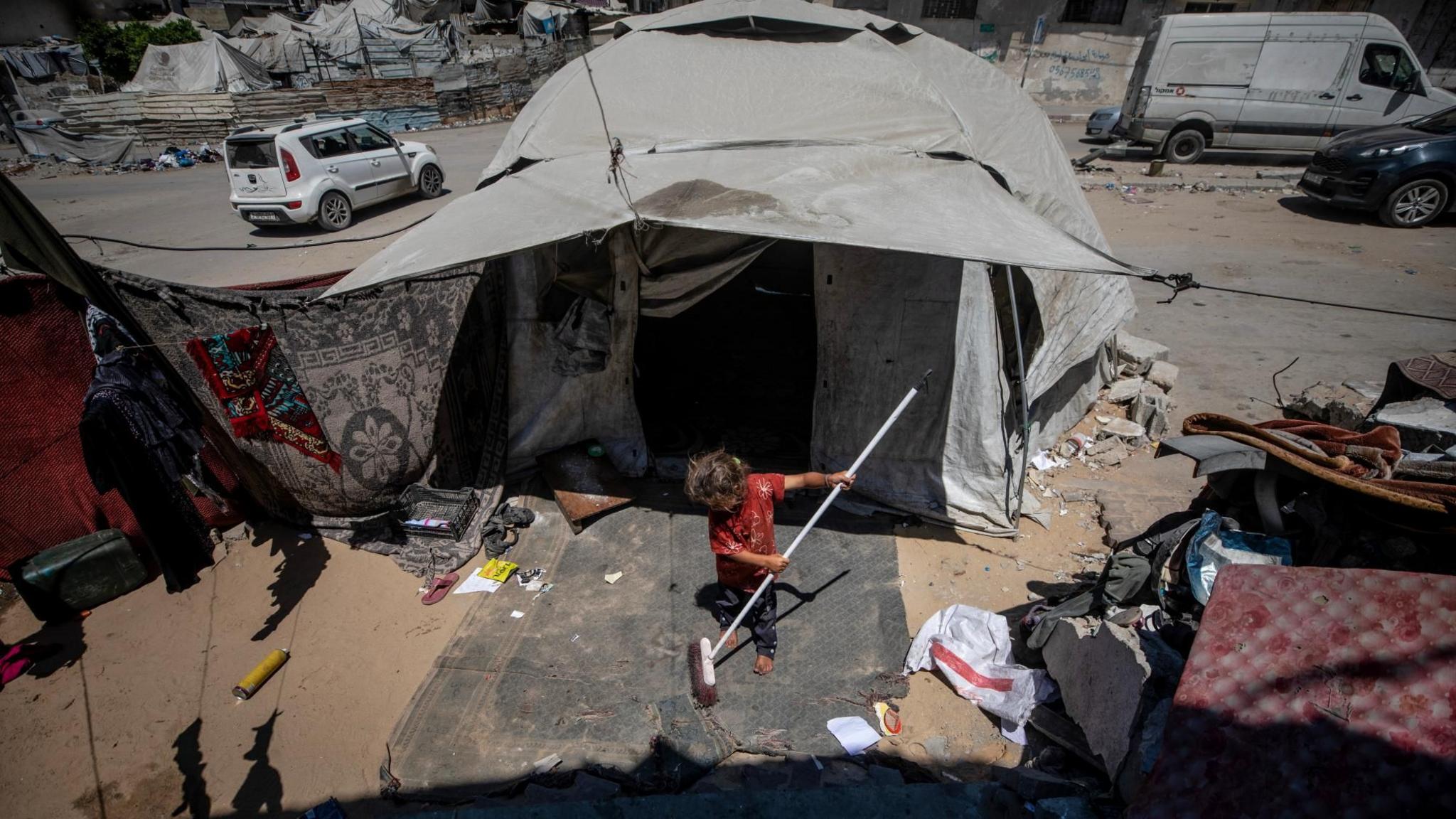
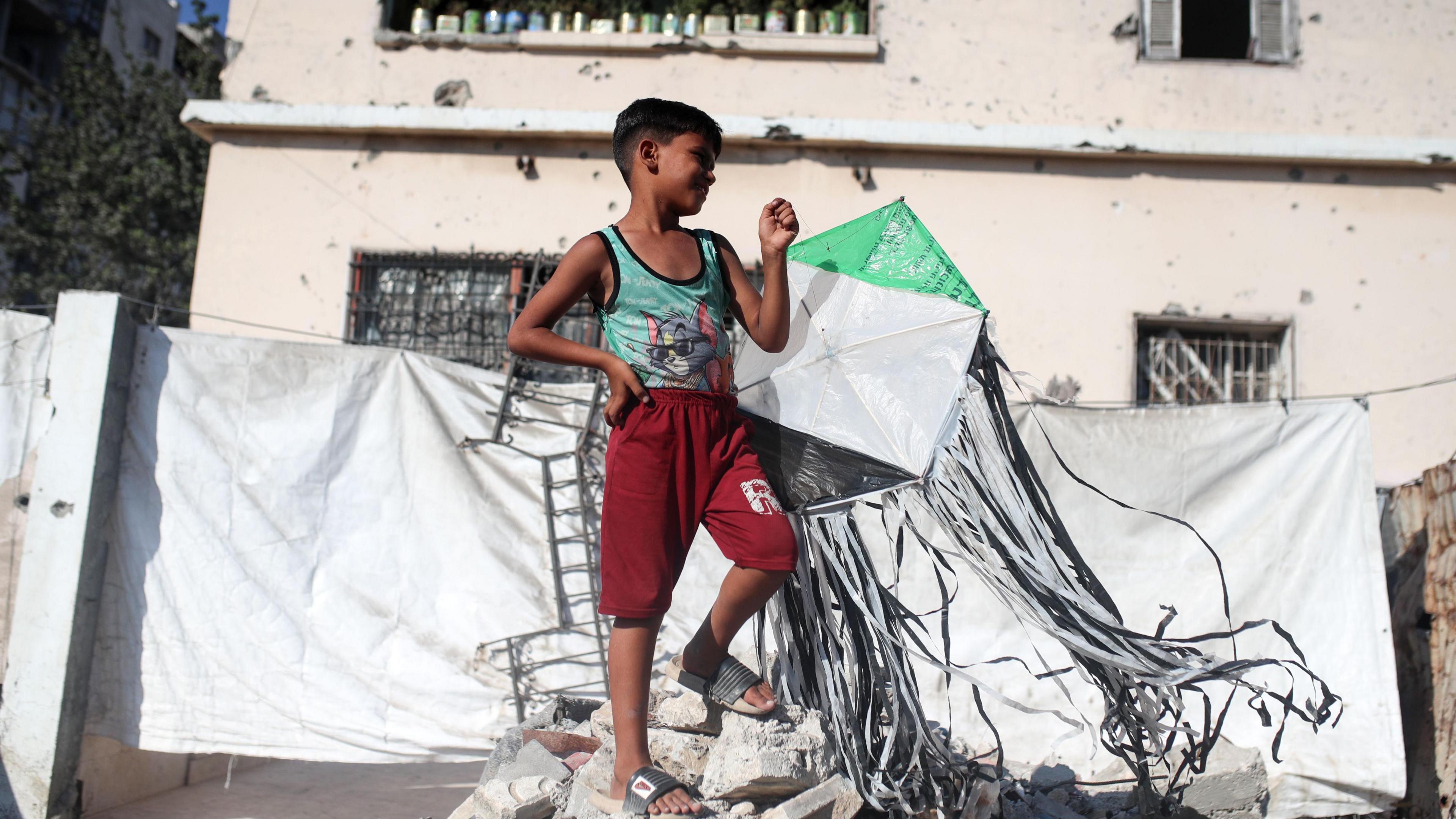
Israel's presence at Eurovision has been increasingly controversial due to the ongoing war in Gaza, raising concerns about the integrity of the voting process and accusations of governmental influence on public votes during the event. While new measures have been implemented to protect voting integrity, the Icelandic broadcaster remains skeptical about their efficacy. RÚV raised concerns from various stakeholders, requesting the EBU to ban Israel's participation, which led to broader discussions on the matter.
In contrast, Poland confirmed it would participate, expressing hope that Eurovision could still be a space solely filled with music. As the 2026 contest approaches in Vienna, the situation remains tense and complex, highlighting the broader implications of geopolitics on global cultural events.
The decision was approved during a board meeting, just hours before the deadline for countries to confirm their participation in what is supposed to be a celebratory 70th-anniversary edition next May. Iceland was reportedly among the last to announce its decision. Eurovision director Martin Green commented that he respects the choice of broadcasters opting out and hopes to welcome them back soon.
Israel's presence at Eurovision has been increasingly controversial due to the ongoing war in Gaza, raising concerns about the integrity of the voting process and accusations of governmental influence on public votes during the event. While new measures have been implemented to protect voting integrity, the Icelandic broadcaster remains skeptical about their efficacy. RÚV raised concerns from various stakeholders, requesting the EBU to ban Israel's participation, which led to broader discussions on the matter.
In contrast, Poland confirmed it would participate, expressing hope that Eurovision could still be a space solely filled with music. As the 2026 contest approaches in Vienna, the situation remains tense and complex, highlighting the broader implications of geopolitics on global cultural events.